-

The Film Fest Database is Live
- Posted on 14th Nov
- Category: Newsletter

Michael Forstein's Film Fest Database The 2020 Film Festival Database is live! Thanks to Michael Forstein for creating it. It's a super handy resource for filmmakers, production companies, brands making films - anyone who needs to submit projects to film festivals.
Michael is an independent filmmaker who made the first version of this database on his own because he needed it, and then he made it somewhat open-source for anyone to use for free. It's a labor of love, and while he now has a small group of sponsors paying him for some of his time (kudos to them), you can and should donate to the project if it's something you are going to use. My staff and I use this almost daily as we help our clients submit to festivals. For now, it's US centric - Michael hasn't had time to go in and list all of the international festivals, which would be a great addition, but hey, it's a volunteer effort from one guy!
Which brings me to the bigger question - why did it take one indie filmmaker getting off his butt to do this for free to make this happen? Where are all these supposed filmmaker service orgs when we need them? (The Film Fest Alliance and Seed & Spark are the only ones I see, and the latter is a for-profit). It's literally more useful than 90% of the non-grant programs that any film-nonprofit offers. It's a shame they haven't helped out and taken this under their wing. So my suggestion - send your org membership dues to Michael this year.
WHAT I'M READING: FILM

From the NYT (and Kurosawa) The Great Streaming Battle is Here, but how do you compare the services, and what's the real story on what consumers want? The WSJ has the answers, and one of the best breakdowns of the difference in each service's offerings. (possible paywall). And over at the NYT they have an interactive, six question quiz that tells you which services you need to see your favorite shows and movies, and how much it will cost you. Smart stuff. (I’m at $43 and 7 services, with no Netflix).
Only 159 documentaries qualified for the Academy Awards this year. Yep, that's right, 159. I couldn't watch them all if I tried.

Neon + Parasite How Parasite became the most talked about foreign language film of 2019: The Guardian reports. The answer - Neon is a marketing master. Look no further than the Jessica Jingle and other memes.
Disney+ Added 10M subscribers in 24hrs - making it the fastest growing streaming service ever.
Should we break up the Disney Monopoly? - That's what Matt Stoller thinks. I don't agree with all of his arguments, but it's worth a read.
Viacom bucks direct-to-consumer streaming trend with new Netflix deal for Nickelodeon - With every corporation and brand racing to create their own streaming service to serve their individual IPs, Viacom is trailblazing their own path through their continued partnerships with Netflix. The streaming bubble will burst, but perhaps this is one way to hedge your bets.
And from the Onion on the James Dean CGI: ‘No, God, No!’ Screams Agonized James Dean Disappearing From Heaven As Filmmakers Finish Constructing CGI.
WHAT I'M READING: Branded Content
Vudu Struggles to find an audience and a model - Digiday has the rundown on the issues facing Vudu, not least of which was having a WeWork office in LA, as opposed to a more seemingly permanent home.
How Buzzfeed has built a creators network for branded content - Buzzfeed is moving away from treating creators as commodities, but rather as collaborators. Really smart way to keep generating effective content while actually being a company that creatives want to work with (not work for).

Nike, Milan, TikTok Campaign Nike smartly uses TikTok to encourage Sports Activity - Nike noticed an issue with women in Milan not wanting to hear traditional “get active” messaging from brands, so they worked with social influencers and elite athletes for some fun collaborations, and it worked, with 100M views and over 600M readers about the program. Brands looking into how to use TikTok, here’s your case study.
WHAT I'M READING: Miscellany:
PBS has a new brand - not branded content, but actual brand logo-type and design. Bringing them from a “flip-phone to an iphone world,” as Fast Company reports.
-
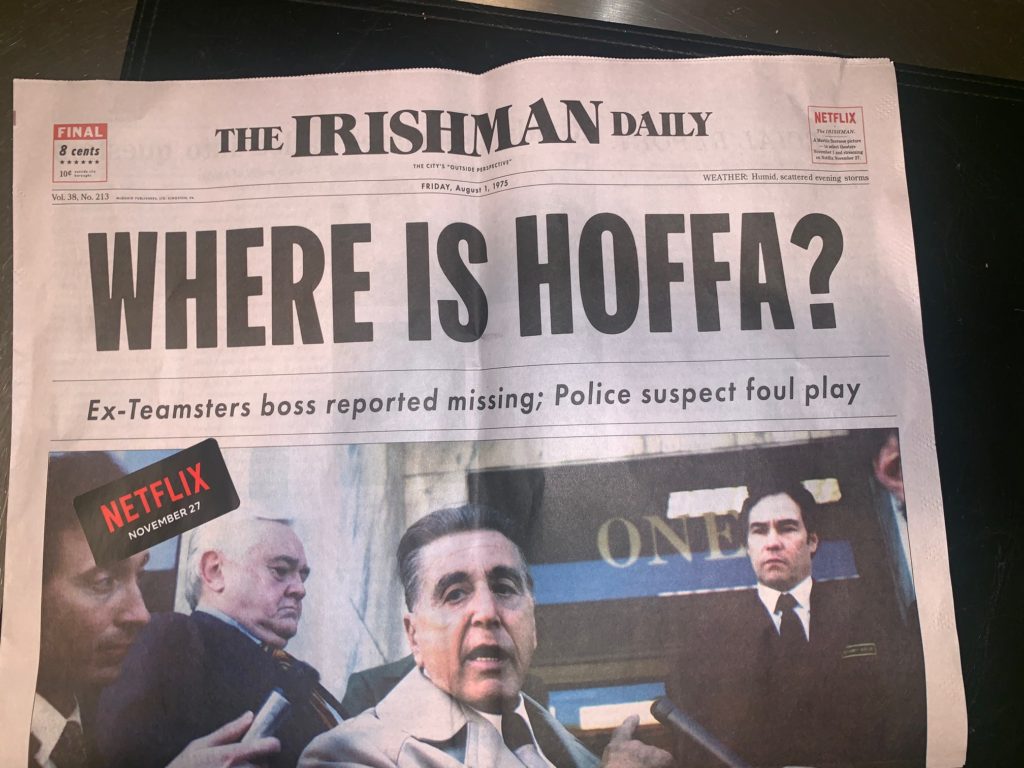
"It's a Disgrace" or Netflix vs. Theaters, again.
- Posted on 7th Nov
- Category: Newsletter

The Irishman Newspaper at the Belsasco, photo: me. The Irishman opened this past Friday, and I finally saw it this week at the Belasco Theater. This is not a review, but it was great, and not just because it’s a Scorsese film with a great cast (Joe Pesci in particular), but because I saw it on Broadway, in a storied theater, that was a much more pleasant experience than seeing it at AMC, Regal or any other big chain theater. I mean, heck, there were only 2 pre-show trailers, no ads and it cost less than most movies in NYC. And Netflix added great touches, like phone booths in the lower lobby that played clips from the film, actual print newspapers with Hoffa headlines and funny fake ads, and some gag props on the bar that referenced key scenes in the movie (no spoilers here). A great experience all around.
And of course, the big theaters are not too happy with this situation, as the NYT reports. As you probably already know, the big chains usually want a 90 day window between a film’s premiere in theaters and its premiere online with Netflix (or anyone else). This doesn’t mean they will play the film in theaters for 90 days, but that they think too few people will go on day one if they know they can see it on SVOD just 90 days later (cuckoo cachoo). But this time, a couple of the chains were willing to give some ground and give a window of…wait for it… 60 days! Netflix rightfully said F-U, and is launching the film to subscribers just 26 days later. Which is about as long of a window as any consumer can possibly be expected to wait.
John Fithian, the head of NATO (no, not that NATO, this one represents all the big theater chains), was all aflutter, saying it was “a disgrace” that Netflix wouldn’t compromise with the theaters. No, John, a disgrace is me walking up ten floors at an AMC/Regal where the escalator is broken, to stand in line to pay astronomical prices for a popcorn from the only kid on duty for 20 theaters worth of patrons, only to sit in a broken recliner seat, with sticky floors and a movie being projected too dimly and with the AC only intermittently working. That’s a disgrace. It’s also a disgrace to blame Netflix for your idiotic windowing system.
Scorsese tried to make this movie in the studio system, and no one would put up the $159 Million budget. Netflix would. And that means it’s up to Netflix how it releases its films and how they window their films. The theaters tried to strong arm them, but Netflix found an elegant solution in the Belasco and smaller theaters. The chains were afraid of losing the 60-90 day window for all other movies, but in their short-sightedness, have just given consumers a “window” onto an alternate, better way to see movies than the usual crappy multiplex experience. They’ll likely remember how much better this was, and hope for it again. Luckily, Netflix is also renting out the Paris Theater in NYC for other films, and the Egyptian in LA as well, meaning we’ll get plenty of opportunities to see a film in a better venue. And they made deals with many smaller theaters in NYC/LA and across the country – and while they usually aren’t the Belasco, they are usually more pleasant experiences, so there are alternate options and better approaches here.
What would be smarter for the chains would be to step up and behave like Netflix – in reverse. Sure, AMC’s stock price isn’t as strong as Netflix’s, but they need to make major moves to stay relevant, and they need to start spending money on something other than 4DX seats that spit on you, shake and spray perfume. AMC (and Regal, Cinemark, etc.) should start funding movies and make them only available in their theaters and to their AMC Stubs (or similar) members. AMC is already launching a streaming service to its Stubs members anyways, with most of the Studios offering library content, and while the only have 20 million households as members now (compared to Netflix’s 158M), this would be one way to increase that number, while taking control of their destiny and getting some true cinematic masters like Scorsese to make films for them. They have the makings of an alternate system in place, so why not use it to their advantage, much like Netflix uses their subscriptions to their own?
They could even do it as a joint venture, like they did with Fathom, which is a JV between AMC, Regal, and Cinemark. If they’re willing to cough up $160M for a Scorsese movie and keep it in theaters for 90 days before putting it on AMC Stubs and Regal Unlimited, then they would make back the majority of the box office and any subscription revenue – while giving subscribers a reason to stay subscribed, or to join in the first place.
Sure, there are some legal hurdles to this, and a lot of logistics to overcome - not least of which is the fact they only know how to pop popcorn, not make something creative (see their pre-show advertisements), but these are obstacles they need to destroy before the streamers destroy them. (Ok, I actually think theaters are gonna be fine on revenue from other blockbusters, but you get my point). But, no, I suspect the main reason they won’t do this is that they know they would soon have first-hand data telling them their customers can’t wait 90 days either, because no one should.
WHAT I’M READING: FILM/ STREAMING:
Walmart Eyes Vudu Sale - Seems like huge news to me. Yeah, I know not as many people use Vudu as the others, but they actually have a pretty strong offering, with early access to titles, lots of bundling and deals, and it is a solid VOD and AVOD offering. With lots of potential - when tied to Walmart - for direct linking of sales from videos. But apparently the world is not just embracing streaming, but abandoning transactional enough to make it a losing proposition for Walmart.
DocNYC runs Nov 6-15. Check out the website for full details and showtimes. Also make sure to check out the panels and talks at DocNYC Pro. My faves of what I've seen: American Factory, The Biggest Little Farm, The Elephant Queen, Honeyland, Midnight Family, Midnight Traveler, and Searching for Mr Rugofff. And that I want to see: Buster Williams, Bass to Infinity, Kifaru, Letter to the Editor, and The Story of Plastic.
How to Dissolve your Film's LLC? - Lindsay Spiller recently wrote a nice, easy to understand break-down of the step's you need to take to wind down and close up your film's LLC after it's great success. Very helpful stuff (I'm following his rules on a project now).
Streamers chasing subscribers are giving it away free- in hopes they can hit their targets and maybe you'll subscribe in the future. I see a subscriber bubble ahead
The Women Who Helped Build Hollywood- the New Yorker reviews a few books on the history of women in early Hollywood, and they had many more important roles than you might expect given the inequities we see today.

James Dean being digitally resurrected for a new film - Collider reports on how an agency has licensed his likeness for becoming a digital character in a new movie. I’ve been saying this is coming for quite some time, and before long, “new” actors will have trouble getting work, as it’s easier to add in a more famous digital player. And before long, a robot will craft most of that scene too. As the author puts it best: “Running through my head in all of this is the iconic Jurassic Park line from Ian Malcolm: “Your scientists were so preoccupied with whether or not they could, they didn’t stop to think if they should.”
Character posters are ruining film marketing - says the Guardian,and I agree. These are those annoying posters like “Florence Pugh is Amy in Little Women” with a big blow-up of her face. A terrible marketing trend that is becoming overused. Not as bad as the twenty faces on a poster version, being used to satisfy actor’s egos, but pretty close.
Some Film Fests are Exploiting Filmmakers - The Hollywood Reporter ran this long piece on “under the radar” festivals that are either fake or close to it, and who charge a lot of money for screenings, passes, hotels, etc. It seems like everyone I know has been sharing this on social media, but the funny thing is they didn’t even name some of the more egregious examples out there. Most seasoned filmmakers/producers and industry folks know these bad ones and will tell you off the record of who to avoid. Make sure to get references from other filmmakers on any fest you aren’t sure about - look up their catalogues online and pop an email to a few filmmakers to get info if you don’t know the festival’s reputation. There are a lot of scams to avoid.
WHAT I’M READING: BRANDED CONTENT

9 tips for brands on commissioning short films or series: A great post on BrandStorytelling by Sarah Klein and Tom Mason of Redglass Pictures who recently made History of Memory with HP, and won the TribecaX award as well. They break down all the things you need to think about before you even call a producer/filmmaker. It's also important for filmmakers generally to read this - great tips on thinking about your story, your audience and your distribution strategy.
Check out BrandStorytelling ‘s new BrandVoice in Forbes - a new resource for all things brands and content. From the site: “We believe that a new era of media and marketing is rapidly emerging, one empowered by technology and driven by creative storytelling. What we see are brands taking a bold stride away from interruptive advertising towards content that provides value in the way of information and entertainment. Our mission is to encourage a higher level of collaboration amongst advertisers, agencies, media partners and creators, leading to a richer media environment for all.”
WHAT I’M READING: Miscellany
We Company may be imploding, but it’s also launching a gaming company - The Verge reports that the company has been filing some patents and posting jobs for “Play by We,” which looks like a housing/training facility for gamers, and maybe games later. If they exist at the end of the year, that is.
-
Getting Real about Brands and Impact Films
- Posted on 31st Oct
- Category: Newsletter

This week, I wrote an Op-Ed article for the BrandStorytelling website and newsletter on the topic - Getting Real about Brands and Impact Films. This is the first of a series of articles I’ll be writing for them, and I wanted to start with a topic I think is super important for brands, but that also applies to filmmakers - that you can’t just make a social impact film, you have to do the impact work (or hire someone to help). Here’s the intro paragraph, and a link to the full article:
As more brands move into making content, especially long and short form film, many are starting to make films intended to have social impact. While films and media made for impact aren’t right for every brand, they increasingly make sense for brands wanting to share their values with consumers who consistently say they want brands to take a stand. But while many brands are making impact entertainment, too few are actually doing what it takes to have an impact, and need to start thinking harder about what impact means – before audiences (consumers) begin to see this as more cynical “purpose-washing” and brands meaning to truly have an impact have difficulty rising above all of this noise.
Read the Full Article over at BrandStorytelling
What I’m Reading: Film

Discover the future of film and storytelling at [Future of Film] Summit, the essential event for creators and businesses looking to succeed in the new landscape. Taking place at BFI Southbank, London on 26th November, the event will feature world-class speakers behind works such as AD ASTRA, BLADE RUNNER 2049 and BLACK MIRROR as well as hands-on sessions on the latest tech / strategies including virtual production, worldbuilding, interactive storytelling and brand-funding - plus amazing networking across film and media. The full schedule and tickets are available now. I've participated in other events from Future of Film, and the organizer, Alex Stolz, always puts together a stellar line-up and event. Highly recommended if you can attend.
How will HBO Max compete with Netflix and others? BGR has a quick run-down of how HBO Max will work - which is as a stand-alone offering, where you don't even need cable, and you get everything that's on HBO Now and HBO Go (confusing) as well as a ton of other content... for around $15 a month. T'ain't cheap, but that's a lot of films and shows.
“Don’t make me have to call every director and show creator on Earth to fight you on this,” (Apatow) wrote. “Save me the time. I will win but it will take a ton of time. Don’t fuck with our timing. We give you nice things. Leave them as they were intended to be seen.” That's Judd Apatow as reported in The Guardian, just a little angry with Netflix for trial testing a feature that lets users watch films at different speeds on their phones. This should be fun to watch.
Are Memes Ruining Television?- GQ reports on the ugly phenomenon of shows having characters behave wildly just to get a social media meme going. Yuck, but apparently a new trend.
Disney Is New to Streaming, but Its Marketing Is Unmatched - The NYT breaks down the myriad ways that Disney can market its new service - everywhere. Kinda crazy, but smart too.
Think you’re going green by streaming everything? Think again - Streaming isn’t green - it takes a shit-load of electricity and it’s a problem. And while this article doesn’t go into it, the same thing applies to cloud computing, gaming and bitcoin mining. We humans find clever ways to screw with the earth. Can’t wait til the robots take over and realize they don’t need to worry about climate change, as only we will die.
What I’m Reading: Branded Content

Via Wired Porsche, Lucasfilm To Jointly Design Starship - MediaPost reports on a new branded content effort where Porsche designers are teamed with LucasFilm artists to design a starship, with Wired documenting the process. It’s all at this website as well. Nice way to promote design thinking and a car.
United incorporates Star Warsinto its safety videos - that's some content marketing that might make you watch a safety video, and buckle up for the flight.
The New Yorker launched a documentary channel. It might be good. Couldn't tell you though, because it had a big, long ad in front of it that couldn't be skipped.
Miscellany:
Kickstarter Co-Founder Yancey Strickler has a new book out: And it's high on my reading list. Yancey was not only a smart business leader, he's one of the smarter people i've been lucky to meet. He's introduced me to several authors I like, I imagine he'll join that list soon. Here's the blurb from Amazon, where you can buy it:
A vision for building a society that looks beyond money and toward maximizing the values that make life worth living, from the cofounder of Kickstarter. Western society is trapped by three assumptions: 1) That the point of life is to maximize your self-interest and wealth, 2) That we're individuals trapped in an adversarial world, and 3) That this is natural and inevitable. These ideas separate us, keep us powerless, and limit our imagination for the future. It's time we replace them with something new.

The Rap Guide Series by Baba Brinkman hits SoHo Playhouse - Baba Brinkman is a genius - he puts together rap performances around intellectual concepts - evolution, climate change and neuroscience among others - and makes them into entertaining, comedic and educational performances. He’s premiering a new one on Culture and revisiting all of his past ones at the SoHo Playhouse in November. A must-see if you live in or are visiting NYC.

Terry Allen doc on iTunes - Ok, I was ashamed when I finally watched this film and realized I didn’t know anything about Terry Allen. I’m glad Scott Ballew (of one-time client, Yeti Cooler’s film division) made this doc about him and his music. It’s available for pre-order now on iTunes. Here’s the description: Cult musician and artist Terry Allen is revered by the world’s creative elite, but is far from a household name. Fringe even in the fringe world of artists, musicians, and renegades of the 70’s, Terry’s voice is perhaps just now reaching the audience it deserves. ‘Everything For All Reasons’ sheds a comprehensive light on his body of work and life, and is punctuated with songs from a star studded concert at Austin’s Paramount Theater. Almost the antithesis of the Rock N Roll cliché, Allen shares the stage with his wife of 55 years, two sons, and life-long friends. The film includes behind-the-scenes rehearsals and interviews with legendary musicians that collaborate and have been influenced by Terry -David Byrne (Talking Heads), Joe Ely (Flatlanders), Lloyd Maines, Charlie Sexton (Bob Dylan), and Ryan Bingham. All pieced together to answer the question who the Hell is Terry Allen, and why haven’t you heard of him?
-
The Upcoming Crisis in Arthouse/Indie Film
- Posted on 24th Oct
- Category: Newsletter

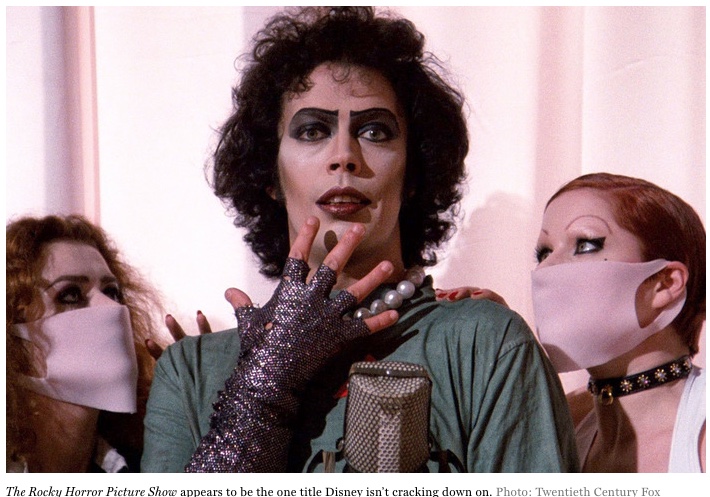
From Vulture - a classic that Disney isn't removing More from the best of times, worst of times files. Three articles hit this week that obliquely touch on what I think is a big crisis facing the indie film sector - in the middle of a golden age for content - and the need for us to build more mechanisms to support indie and arthouse narrative films.
First, Variety reports on the rising costs of scripted TV series as the streaming wars heat up. What does that have to do with arthouse cinema, you ask? Well, the article points out that not only are all of the streamers paying top dollar and attention to scripted originals - which means they are acquiring less of everything else - but that this practice also means that everyone in the industry has more options and their rates go up. Whether you’re trying to hire a director, cast, or a stunt person, or a Grip, or a publicist - they all have plenty of work and don’t need to scrimp by working on smaller indie films. Point being - a crowded marketplace can hurt smaller films in many ways.
Second up, Matt Zoller Seitz penned a nice piece in Vulture yesterday on how Disney is extending its habit of locking things away in the "vault" instead of allowing repertory screenings, and is now blocking many theaters from playing older Fox titles. It's possibly a ploy to get you to subscribe to Disney+, but also a threat to the bottom line of many indie theaters. While this is a little complicated, it has a big impact on what gets shown and the possible livelihood of arthouse and indie film. As Zoller Seitz writes - and it’s worth quoting this passage in full:
There might be a tendency to see all this as a niche issue, one that only affects nostalgists and people who are still enamored with the theatrical experience. But Escobar (Chris, of Atlanta’s Plaza Theater and Atlanta Film Society) and other theater owners interviewed for this piece point out that the estimated 600 independent first-run theaters left in the United States are the only reliable incubators for independent filmmakers who are unlikely to have their work screened in multiplexes dominated by Disney and other major distributors. Many of them are international filmmakers, documentary filmmakers, and filmmakers of color who are going to lose access to these venues unless they’re subsidized by other events such as repertory screenings of old movies that can be relied on to draw crowds. “These kinds of theaters are the only places where women filmmakers and other members of underrepresented groups can go and see themselves, the last frontier space,” Escobar says. “The more the means of making, distributing, and exhibiting films are controlled by a handful of companies, the fewer entry points those voices are going to have.”
Yikes. And then, Bilge Ebiri, also writing in Vulture, about the controversy over Scorsese et al dissing on Marvel, points out this little gem:
There’s one thing Scorsese said that really sticks out: Speaking of Marvel movies, he said they were “creating another kind of audience that thinks cinema is that.”(emphasis mine) All great films create their own audience, in a sense; you can’t really broaden the art form’s range of expression without teaching your audience new ways to experience and think and feel about what’s onscreen and, by extension, the universe beyond the frame. Citizen Kane does this; Rashomon does this; 2001 does this; Jeanne Dielman does this; Do the Right Thing does this. (And it’s not just the capital-M Masterpieces that do it, either. Anna Rose Holmer’s The Fits does this; Chloé Zhao’s The Rider does this; Robert Greene’s Actress does this. I could go on, but we’d be here all day.)... (and he continues later):
Action blockbusters have always been successful, and the industry’s more independent-minded artists have always struggled to get around the financial imperatives of what is, after all, a business. But the last 15 or so years have seen rapid monopolization across many industries, and these types of releases have become dominant in what is increasingly looking like a zero-sum game. While lots of other films get made — more, in fact, than have ever been produced before — all the oxygen in the room gets sucked out by the big ones, leaving the smaller ones to choke.
Indeed. And if we lose those films, we’re gonna lose all sense of what cinema is and can be. As the blockbusters and “original content” fill every screen, we’re losing precious space for other voices.

The Doc Society's Good Pitch - part of an ecosystem of support As I read these reports, I was also coming down from the high that is The Good Pitch, earlier this week. Six documentary projects pitched to a room of 400+ supporters who might fund, help distribute, or help them have impact with their films. It’s a great endeavor, and it’s just one small part of what has become an entire ecosystem supporting documentary films for social impact. Sure, theaters and screens are getting overbooked by blockbusters and new shows, but these films will be seen and will have an impact - and the filmmakers can scrape together a living - because the documentary field has built this ecosystem of support over time. It was hard work, and it didn’t always make sense, but here we are after some decade or more of tinkering, and we kinda have a system that works.
But as great as it was to realize this, it also reminded me of an even greater absence - of any similar ecosystem in support of arthouse and indie film. Sure, we have Sundance and all the film festivals of the Film Festival alliance, and whatnot, but there’s nowhere near the same level of support, or thinking about new models for support, going on for narrative films that aren’t blockbusters. All the rest of these films have never been easy to make - but now they are being made in a market where it costs more to attach talent and crew, and where the biggest platforms and distributors are focused on ever bigger projects and at keeping other films off screens, and as audiences begin to think there’s no issue because nothing else is showing up anyway, and hey, there’s Thor coming at me.
I call this a crisis, and it won’t just be for the makers and lovers of niche cinema. Our culture needs independent voices - telling different, more nuanced stories - and it will be poorer in their absence. I think this is a topic we should be talking about at conferences, festivals and inside every nonprofit in the space. Because we need some novel solutions, and soon.
What I’m Reading: Film
How High Frame Rate technology ruined Gemini Man - Bilge Ebiri, one of the smartest film writers out there, gives a good break-down on Vulture, of why Gemini Man doesn't work at the high frame rate projection that Ang Lee prefers.
Netflix tracks shows by measuring ‘starters,’ ‘watchers,’ and ‘completers’ - the Verge breaks down new data from Netflix on how they measure a view. More insight than we’ve had for awhile.
Why do we re-watch films over and over? The BBC’s Clare Thorp breaks down the many reasons - nostalgia, familiarity, too much to choose from and more. Add this to the issues facing new arthouse films above as well.
Which Streaming Sevice(s) should you pay for? Time Magazine runs one of the first break-downs, of what will soon be an overflow of articles trying to help us wade through the services, so we can wade through the content…
Disney+ announced its nonfiction line-up - It’s an odd-mix, to be honest - some older tiles, some relaunches, but also some interesting directors like Jeff Malmberg (of Marwencol). I think they’ll get to 80M+ subscribers soon on library titles alone, but I am scratching my head so far on this even being an announcement.
A lot of great film criticism is now online to stream - I’ve long been a fan of the practice of using video as a form of film criticism and commentary - in fact, I think the whole Op-Doc trend should be focused on this format instead of what is has become - and now The Guardian has a great run-down of some of the better examples, and the new BBC iPlayer series Inside Cinema. Check it out.
The D-Word and Peter Hamilton discuss all things Netflix:Netflix runs the wold, and is also a big black hole for most of the field - what are they funding, what are the terms, how can you break in, what's working, etc. Well the D-Word - an online member community for doc filmmakers that you can join for free (and should, it's great) is running a week long forum on this subject. From their announcement: we're so fortunate to have Peter Hamilton, a veteran documentary business consultant who has written the ultimate guide to Netflix, leading a special 5-day topic starting today on The D-Word: Dealing with Netflix: What you need to know NOW! Go there, read and learn.

Light From Light Film I recommend: Light from Light, starring Marin Ireland and Jim Gaffigan opens NYC Nov 1st from Grasshopper Films at the Quad (and then elsewhere).
Gifted with sometimes-prophetic dreams and a lifelong interest in the paranormal, Sheila (Marin Ireland) is asked to investigate a potential haunting at a Tennessee farmhouse. It’s there she meets Richard (Jim Gaffigan), a recent widower who believes his wife may still be with him. The investigation that ensues — which eventually pulls in Shelia’s son, Owen and his classmate Lucy — forces them to confront the mysteries of their own lives.
I'm old friends w the director, Paul Harrill and think all of his films are great. I highly recommend putting this on your watchlist, or buying tickets to see it w some of the cast (and Paul) for the Q&A in NYC.
Branded Content
Three Things to know about Brands and Impact: BrandStorytelling interviewed Shabnam Mogharabi of Soul Pancake to give three great take-aways from their joint study on brands and impact entertainment. It’s a six minute video – watch it at your desk, on the clock, as it will make your work stronger.
A look at Roku’s Branded Content pitch: From DigiDay, a look at Roku’s push to have advertisers buy ad space on its home screen - to the right of its list of streaming apps, to promote branded content. No one is sure if anyone will click, but it’s a big piece of real estate to promote your shows. Or just another intrusive ad - we’ll see where this one lands in the public debate soon.
Podcasts (and Video) may be hot, but don’t forget text: Adweek has a good article on why text is still important to your brand content strategy. As they say: “A fair word of warning for brands here is to ensure that this experience is in some way additive to your audience’s lives, which means not simply copying and pasting headlines from owned content efforts and calling it a day, but rather embracing a curator mindset.”

Clios and BrandStorytelling A new award has been made for branded content that is “storytelling for good” thanks to BrandStorytelling and the Clio’s. Make sure to enter your films soon - I look forward to seeing the winners in January in Park City.
How Pressboard is changing the way advertisers get content published - A dive-in from DailyHive, looking at how Pressboard works, why it was created and more from the founder. Pressboard is more of a marketplace for content marketing, but it’s a good solution for certain branded content. Check it out.
-
Why were you rejected?
- Posted on 18th Oct
- Category: Newsletter
Why were you rejected? will you be accepted ?- fest service needed

http://filmcourage.com/2013/09/12/how-i-was-rejected-by-over-35-festivals-and-lived-to-tell-it-by-princetonholt/ Free idea to anyone who wants to launch it. We need a festival advisory service that helps filmmakers (and brands) figure out whether their film is good enough for film festivals (and which ones), and what would make it stronger – and it needs to be made up of festival programmers.
I work with a lot of filmmakers and brands, and one of the things I do is help them with their edit, and with submitting to film festivals. And when possible, I try to advise them on how good their film really is, and what I think its chances are for different festivals, and how they should strategically approach their festival run. But I can only do it for so many clients, I might be wrong, and sometimes people are going to submit even if they shouldn’t. In addition, when you get rejected from a festival, almost none of them will give you any feedback as to why – and they really can’t, as they get thousands to tens of thousands of entries. But at least once a month (as acceptance/rejection letters go out, or a deadline hits), I get a flurry of emails wondering about whether they should submit to X festival, or why they didn’t get into Y festival, or which one of two to accept. Should we hold it for this special fest, or ask this one to watch it, when we really want this earlier one. Etc. Etc.
And there’s another couple of problems I know about – most festival programmers are underpaid and doing this job as a labor of love. And they are opinionated, but usually afraid of speaking to filmmakers they reject. Everyone wants to be loved. So why not aggregate a group of respected festival programmers (and former programmers too), and start a service where you can submit your film for review, and get solid feedback on what works, what doesn’t, what you could do to make it work better, and what might be the best strategy for your film – no holds barred, honest advice from people doing this day to day at the best festivals. For a fee of course, which would then be shared with these programmer/reviewers. And of course, the reviewers would be kept anonymous, but the service would list the overall portfolio of festival programmers represented and prove that they are working with good folks. And to make it fair, every programmer would agree to watch any submitted film with “fresh eyes” if it ends up submitting to their festival (I know many ED’s will shut this down anyway, but I can hope), because hopefully the films will get stronger.
I know a few people who have offered somewhat similar services – but usually it’s feedback from one person or two people at most. And it’s not unbiased, and not coming from current programmers. Someone please start this, as I’ll send you five clients a month, minimum, and will use it for my own films too.
WHAT I’M READING: FILM
Streaming kills Physical Media - notes the WSJ. But Richard Lorber of KinoLorber begs to disagree: “Around here we say, ‘Blu-rays are forever...I would be a fool to claim that it’s a growth business, but for certain types of collectible films of enduring value, people really want to own them for so many reasons." But that's not true for everyone. Check out the arguments for and against at the WSJ.
AMC Theaters launches its own VOD Store - The NYT reports, and its about time. While I doubt they’ll do this well, AMC really could do something cool here by combining its data on movie-going with Stubs rewards and more. If my subscription got me movies in theaters and online… that would be a winner.

Watch the Exodus of talent from Hollywood to Streamers - the LAT mapped it in a great little animation. And they are right, it is stunning.
Film Delivery Demystified - Hey NYC area producers - delivering your film to a distributor is quite a pain. Luckily, Cinepointe and Goldcrest have two upcoming classes on that for you - check them out
With Distribber going out of business,Peter Broderick writes a nice update on what filmmakers can do if they were snagged in this fiasco, as well as some good general rules for working with distributors.

Coming up in a few weeks at DocNYC- SEARCHING FOR MR. RUGOFF - by Ira Deutchman - I've seen a rough cut of this film, and highly recommend it to anyone interested in the history of indie/arthouse film in NYC - or any of the issues around such things.
From DocNYC: Searching for Mr. Rugoff reveals the untold story of the creative genius behind 1960s-’70s film distribution company Cinema 5. Filmmakers, critics, collaborators and family members paint a vivid portrait of Donald Rugoff, a volatile, self-destructive and fearless champion of independent and art films. Drawing from a rich archive and colorful interviews, veteran distributor, producer and former Rugoff employee Ira Deutchman brings us closer to his legendary and controversial mentor, who took risks and fought for great cinema while facing personal battles of his own
FIlm to support: Dan Mirvish, co-founder of Slamdance, and a friend, has a new film project that is raising funds on Seed & Spark, and it looks pretty cool. Check it out:
WHAT I’M READING: BRANDED CONTENT
Facebook Watch is expanding internationally - and The Drum has the story. I’ve yet to meet anyone who has ever watched, Watch, but know plenty of people who have made content for it, and been unimpressed with the experience. Let’s see if going international helps the Book at all?
5 Movies that altered Advertising - not branded content per se, but from AdWeek - a look at five films that changed how we think of film and advertising, including the first product placement, the first trailer, and of course, the Blair Witch.
For Axios, TV is its brand of original content - According to DigiDay, Axios is skipping the masses online and in standard editorial video and making quality TV with HBO and others. Smart move.
-

Get While the Gettin’s: Or the Vicissitudes of this Market
- Posted on 11th Oct
- Category: Newsletter

Frothy Waters A short one this week, as I’ve been on deadline for another article running soon elsewhere. It is a plumb crazy time in the film business – not unlike the financial markets, or our daily news.
On the one hand, this moment in the film business reminds me of a quote I read from Ray McKinnon in Garden & Gun: “ I always said that if you couldn’t get a role in In the Heat of the Night in those days, if you were an Atlanta actor, you should strongly reconsider your career choice. I actually played a crack dealer one year and got killed, and came back as the town newspaper editor.” Point is, the gettin’ was good for actors back then (and now).
And in many ways, that’s the case for anyone making films (or other “content” today). There are so many platforms throwing money around that it’s hard not to catch some. I get calls weekly from brands and platforms moving into this space and wanting help in funding content. And for once, Hollywood and smaller platforms are actually looking for diverse subjects and creators as well (still not enough, but better than it has been). Equity is running scared from the market and looking at film and media – everyone I talk to seems to be raising a fund, even for hard to sell content. Filmmakers I know who have been pitching the same project for years are finally getting traction. Money is easier to find than usual.
On the other hand, while multiple platforms are launching (Quibi, Disney+ and Apple+, and even KinoNow, etc.), many others are failing (Topic) or consolidating (everyone), or will implode soon (Buzzfeed, Vice) because they can’t compete with these deeper pockets. And the big Streamers would rather buy library, safe-bet TV shows (Friends), or make “original content” than acquire anything new and indie. Peel the onion a bit, and only the biggest, sure-bet docs are the ones that perform – the rest are having a tough time in the market. And for every filmmaker I know who is riding the gravy train of SVOD deals, branded content, and pre-sales – I can point to five who are making projects that “aren’t commercial enough right now.” It is pure hell for some while pure heaven for others. Kinda like the 1% all around, which I’ve written about before.
This is called froth. It’s when lots of things are happening that don’t quite make sense. It usually means there’s a bubble about to burst. Prices become detached from value, and things start to become unstable. If you didn’t have enough to worry about after reading the news each day, now I’ve given you something else to stress about. Sorry. (And sorry for all the cliché jargon above and to come.) But it’s also, always, an opportunity. If you can figure out what’s behind all this and coming next. I have my thoughts on that – for another post – but in the meantime – buckle up and ride, because a lot of crazy, sometimes fun, shit is going on. But be cautious and have a hedge, because this won’t last. But my simplest advice for anyone not participating in the frenzy – partake. Do the projects that are getting funded. Get your foot in those doors while they are cracked open. You can always come back to the projects that aren’t getting funded, but only if you’ve taken advantage of this moment… and saved.
FILM/STREAMING:

No-budget African action studio Wakaliwood is ready to take over the mainstream – AV Club reports on Wakaliwood – which I’ve been woefully out of the loop on – a Ugandan film movement led by Isaac Godfrey Geoffrey Nabwana (Nabwana IGG) . His fun, low budget films have been taking Uganda by storm, and closed out Midnight Madness at TIFF this year. A great read.
Disney is reportedly banning Netflix ads across its entertainment TV networks – from The Verge - the streaming wars heat up as the Mouse-House bans Netflix ads across its networks. Ouch.

Less Shaft, more House Party: Hollywood revisits 90s black film boom – Hollywood’s always looking for a remake, let’s just hope they don’t ruin any of these classics. House Party in particular was one of my college-day faves. The Guardian reports on a wave of remakes of classic Black films.
‘It’s a form of modern slavery’: MPs on Ken Loach’s film about the human cost of the zero-hours economy – A great Guardian article on Ken Loach’s Sorry We Missed You which shows the horrors of the gig economy. This was a fave of many at Cannes and I’m glad it’s getting notice – and can’t wait to see it.
Branded Content
Do people 'f---ing hate' ads? Marketers look to embed brands in culture as aversion grows – MarketingDive reports from NYC AdWeek, where Boudica Chief Creative Officer and former Hearst content chief Joanna Coles stated “People hate advertising. They f----ing hate it … and it's all advertisers' fault." P&G’s Marc Pritchard was quick to agree. And everyone seemed to think brands need to step back and go deeper into content integrations- branded content – so expect this space to keep growing. Let’s hope it just doesn’t devolve into a lot of bad branded content – we need genuine approaches, not cloaked ads.
Facebook agrees to pay advertisers $40 million over inflated video stat – AdAge on the stink that keeps coming from Facebook, this time in their BS view stats for advertising and other posts. Keep up the good work, Mark.
VR/AR/MISCELLANY:
Can Gaming and VR replace the Outdoors? Asks Outside Online. A fascinating look at a gaming detox center, and the problem of people spending too much time inside and online instead of outdoors. But the article also shows research that shows people might be able to get the same impact of being outdoors from VR simulation. Interesting stuff, but I don’t believe in complete detox programs, and I also think we should get outside more. Go read and decide for yourself.
-
Netflix vs. Theaters...again
- Posted on 3rd Oct
- Category: Newsletter

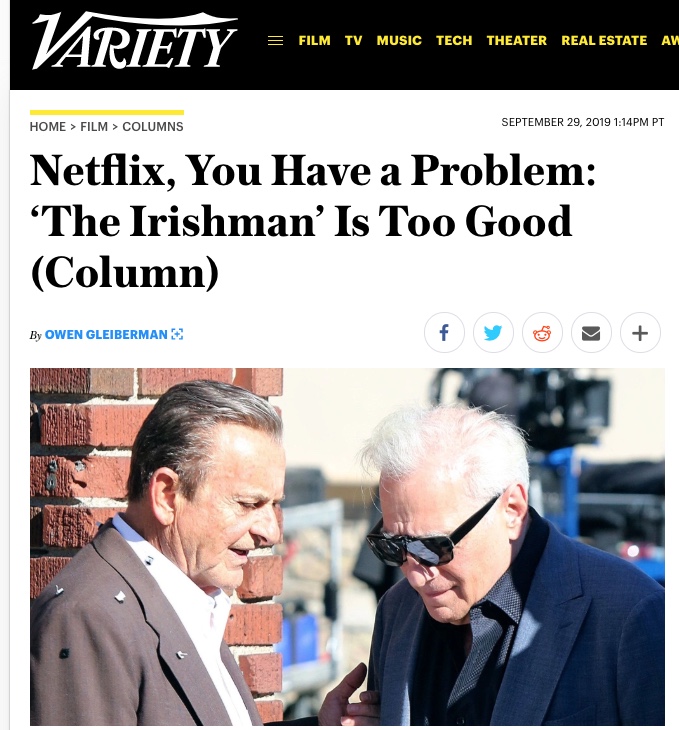
via Variety Owen Gleiberman penned an “upper decker” of a review/slam of Scorsese’s The Irishman and Netflix’s release strategy this week in Variety when he wrote “Netflix, You Have a Problem: ‘The Irishman’ Is Too Good,” arguing that the film demanded a longer theatrical release before it hits streaming.
His entire argument can be summed up by his last paragraph:
“Netflix has, in fact, made such a good movie that a vast audience of people — a world of people — are going to want to see it in movie theaters. And if the film’s relatively limited theatrical release starts to feel like a compromise with that desire, it could give a great many people pause: members of the Academy, and filmmakers who are promised the moon if they make their next movie with Netflix. Sure, they’ll get to make the film they want, and that isn’t nothing. But the release of “The Irishman” is destined to shine a light on the underlying metaphysical question: Is home viewing really the moon? The 20th century is officially behind us, but it may not be going out of style nearly as quickly as the executives at Netflix would like it to.”
Are we really still debating this theaters v. streaming question? I feel like I’m stuck in the old (boring) festival debates over whether audiences would ever warm to digital filmmaking. We know how that argument ended.
Jason Hirschorn in ReDef was quick to respond, with this classic take:
“ I like Variety and I read Owen, but I'm having a little fun here, but sort of serious, this article made me want to become a mime…Some of these lines seem like they came from THE NATIONAL ASSOCIATION OF THEATRE OWNERS (NATO). The world is flat and media habits are not changing. Not. Netflix plays a different game…See this movie. See it in a theater. See it at home. Where may depend on your age. It's still a good movie. Business and exhibition preferences are changing and will accelerate. There's no stopping that any more than fighting the eventualities of what happens to you in mob life. You get killed, go to jail or get old and die alone.”
Look, let me say it one more time – I love movie theaters and watching films on a big screen. But not everyone does, and not everyone who does has the time, and many of those who do want to see it in the theater, have kids or work and other challenges that keep them from the theater – not least of which challenges Owen acknowledges – “all those trailers, with the $10 Cokes and the idiots on their cell phones.”
NATO and Regal and AMC see this as an existential battle, but once again, it’s not. Think of the millions if not billions being lost by not embracing reality and playing along. Rule one – everyone who has bet against Netflix has lost. Rule two – consumers/audiences are past this shit already. So rule three is NOT “hey, we can kill Netflix by going against the will of the people to see films asap, and just stone them (both) to death.” Rule three is adapt. Why not embrace the fact that the film will be on Netflix in 30 days (or two weeks, or one day) and charge extra to see it in a theater for a limited time? Why not wait and show it after it’s been on Netflix and say – now see it in a theater for one night only, in every AMC in America, with an after screening digital Q&A with the digitally young De Niro?
Every single masterpiece of cinema – except Star Wars, which I watched 11 times in a row in a theater as a kid, but that was the only option then – I saw first on VHS, and then watched it on film when I had the chance. Every single Academy voter, industry insider and reviewer is also watching it on Vimeo or a screener, unless they made it to the NYFF Opening Night (and some undoubtedly did both) – so why not let the public do the same? And come up with a business model that embraces the new reality. Otherwise, we have to smell the stink of Owen’s concealed NATO placement more often, while everyone waits for the theaters to wake up to what we all know is true.
We have more existential threats to theater going than Netflix – they are called – TikTok, Instagram, gaming, attention span, content overabundance, lack of curation, difficulty of discovery, a lack of representative voices (diversity) and a looming recession. Netflix wants people to see great films. You are actually on the same side.
WHAT ELSE I’m READING: FILM

KinoNow Arthouse Distributor, KinoLorber, launches KinoNow - with tons of their titles for video on demand viewing. it's a crowded market, but being transactional (as opposed to SVOD or AVOD) for these titles is smart. And it's a great library.
Who Is Telling Whose Story, To Whom, and Why?: The IDAruns a long-read, from filmmaker Lisa Valencia-Svensson’s keynote address at Hot Docs this past spring. It’s also a must read for anyone making films, and thinking about who gets to tell whose story, and how.
WHAT I’m READING: BRANDED CONTENT
BrandStorytelling is heading into its 5th year, with its key event at Sundance in 2020. I attend annually and it’s one of the best conferences out there - not just for branded content. You have to qualify to attend, and they’ve opened up their portail for people to request attendance. Interested in and working in this space? Give them a holler.
CMO Survey: Should brands get political? One-fourth of marketing execs say yes | Duke's Fuqua School of Business reveals - giving more evidence to the need for brands to take politics- and social issues - more seriously in their branded content as well.

Samuel L. Jackson is Alexa’s First Celebrity Voice, But it Will Cost You a Dollar - The first app for Alexa that I might use - if I trusted Amazon, that is…
Tourism Branded Content done right - Singapore Airlines and the Singapore Tourism Board made some good comedic shortsto get people to visit - As the article explains: “The campaign features Singaporean comedian Rishi Budhrani visiting three cities – Bland in Australia, Dull in Scotland and Boring in the United States of America. After sampling the best amusement options these places have on offer, Budhrani them flies his hosts in each city back to Singapore.” They’re pretty good. Check them out at the link.
How to do branded content right? The BCMA has a piece (essentially branded content itself) about how Nucco Brain helped Innovate:UK rebuild their content strategy and YouTube channel. In spite of being an ad for their services, it has some great observations about the state of branded content in the entertainment ecosystem and pointers on how to do things correctly.
Instagram is identifying branded content more clearly now - giving branded content tags to IGTV. Transparency helps.

The Colonel has a dating game on Steam - go date the Colonel and buy some chicken. This is the kind of stuff that makes me question branded content.
WHAT I’m READING: VR/AR/Miscellany:

The NYPL has created books on Instagram - long reads - and it’s working - Fast Company reports on how hundreds of thousands of people are reading entire novels on Instagram - thanks to a super cool interface and some smart marketing. From FC: “Since launching in August 2018, more than 300,000 people have read the NYPL’s Insta Novels, and the NYPL’s Instagram account has gained 130,000 followers.” Now this is innovation. Seriously - this is one of the coolest things I’ve seen online from the cultural sector in quite some time. Go read them - just look in the highlights of the @nypl account on Instagram, and enjoy.
Bjork’s Co-Creative Director talks about her VR music video - For The Guardian. Artist James Merry nails it, when he says: For me, it’s a perfect medium for pop. I don’t wanna be in VR for the length of a film. I don’t wanna be in there for even half an hour, necessarily. I think a music video is perfect for VR. You dip in to this little self-contained world and have an experience with really emotional music and then you dip out again.
Scientists are using machine learning to create art - Scientific American reports on how combining two types of machine learning is leading to some interesting art (and logic and reason), and improvements keep coming. Look out artists. Our future robot overlords might like viewing robotic art.
How do we build a future digital economy with more dignity, that pays you for the use of your data? Jaron Lanier has all the answers in this 3 part short video series from the NYT.
Verizon buys the remains of Jaunt VR: Verizon is making some big plays in VR and also in AR - launching new branded content apps for AR as well. My take: this is where interesting concepts go to die. They’ll use the tech, but I maintain that a phone company will never get media right (and yes, that holds for AT&T, too).
How does the Apple Arcade eco-system work? Apple Insider has the report, with info from developers, gamers and others. Sounds like they are solving the monetization problems more elegantly than ads or in-app purchases. We’ll see if it works, as getting people to pay for games has been tough.
-
Perception vs. Reality & Other Sub-Genre news for Sept.26.2019
- Posted on 26th Sep
- Category: Newsletter

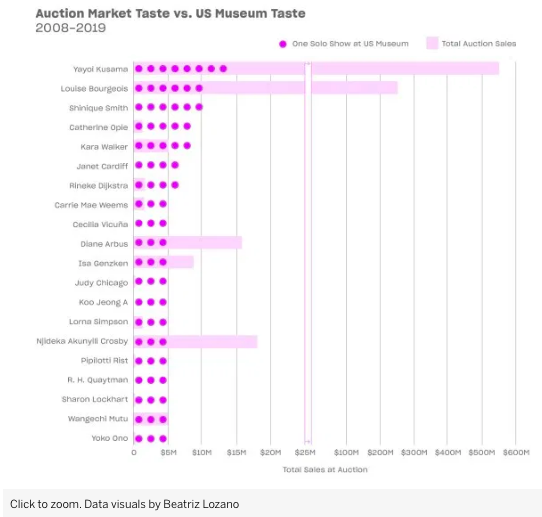
This week, the NYT reported that Female Artists made little progress in Museums, based on research from ArtNet. The study showed that while the perception is one of growing gender equity in the art world, the reality is that just 11% of museum acquisitions were of female artists in the last decade. And women artists make up just 2% of the global auction market.
Reading this article, I was reminded of a recent Screen Magazine article about who is funding women filmmakers, which has been making the rounds to positive acclaim in my social media feed lately. When I read it, as much as I loved the work being done, I was depressed, as many of the funds and organizations mentioned were clearly, well, under-funded. This isn’t a knock against these groups. It was clear they are doing their best, but with very little actual capital, and that means there’s likely been a similar perceptual shift in film, with little actual change.
We need some systemic change across the arts, and that’s going to take substantial investment and donations, and real thinking about how to change the status quo. The conversation is definitely going on, but that conversation can lead to a perception of actual change, when the reality - to me - seems to be that less has changed than we should have seen by now. Which Anne Hubbell confirmed in the Screen Article, stating: “In the past couple of years, there has been lots of talk and reporting on women directors and more female representation. But the numbers have not really changed. Statistics show that we still have a long way to go."
I've been lucky lately to work with a few brands who are paying attention to gender (and diversity) issues, but in addition to bigger investments from individuals, organizations and funds, we need to see brands who are making content taking bigger actions to hire women filmmakers to shoot their films, as well as more women subjects and stories. Corporations can have a bigger impact here as they move into the content space. And they can "up" the investment in women in film. I'll be pushing this with my colleagues more, and hope everyone does the same.
WHAT I"M READING: FILMS AND STREAMING Quibi Already Has a Better Lineup Than Apple TV+ says Gizmodo. And most of the industry that I’ve spoken with lately. My bet remains on Apple TV+, but Quibi is investing more like someone who wants to survive on content (Apple can give it away, if you stay on their devices). Amazon’s Brilliant ‘Undone’ Highlights The Promise And Peril Of The Streaming Era - Forbes reports on the sad fact that in an economy of abundance, it’s hard to get attention. Many great shows get lost. Including Undone, which features some uncanny rotoscoping animation done by my friend, and great artist - Tommy Pallotta. So add it to your queue. But seriously, we have a discovery and remembrance problem with streaming that is only getting worse by the day. Facebook is launching a streaming device that watches you while you watch TV - FastCompany reports on yet one more creepy Facebook idea. You’d almost think they had early investment from the CIA or something? Investors Claim AT&T Created Fake Streaming Service Accounts to Hide Failure - Law.com reports on another creepy company doing something a bit untoward - AT&T doesn’t have the customers it claims, and created fake accounts to gin up the numbers. Maybe Elliott Management is right to be pressuring this company. Why streaming services are the new credit card rewards binge - The LA Times has the story on how more consumers are earning credit card rewards when they pay for their streaming. Smart move, credit card companies. How Much Would You Spend on Streaming Services Per Month? And Infographic: How Much Is Too Much For Streaming Subscription? -PC Mag and the International Business Times both take a look at what consumers are willing to spend to be inundated with too much content - really, shouldn’t we be talking to one another or getting outdoors instead - anyhow, they find that most people want to pay around $30 bucks a month. That means some blood in the water soon.
Speaking of blood in the water,Netflix CEO Chews Out Content Creators In Post-Emmys Locker Room Tirade Congratulations: You just outlived MoviePass - AVClub has a nice little story on the death of MoviePass. But Ted Farnsworth isn’t done yet. Former MoviePass Chairman Ted Farnsworth Trying to Buy Failing Company. This may get interesting.

‘The Devil and Daniel Johnston’ Filmmaker Jeff Feuerzeig Remembers the Late Austin Legend - If you don’t know Daniel Johnston, or Feurzeig’s film about him, do yourself a favor and go watch it now. IndieWire’s report is one of the many obits that ran after Johnston died recently, and it’s among the better ones. I was a huge fan, own two pieces of his artwork, and listen to many of his songs, so this was a tough one.
The difference between distributors and aggregators - Jon Reiss pens a nice break-down on the differences between these two parties, and what filmmakers should keep in mind. This is in response to the recent death of Distribber, which is causing much consternation for filmmakers.

My Bogota, Colombia speech/podcast is now up - I recently travelled to Bogota, Colombia for BAM, to be interviewed about the future of film and branded content by Alex Stolz of Film Disruptors, and the podcast is now live. If you want to hear me prognosticate, you should check it out. It was fun. The link also allows you to check out his other interviews in Bogota, with Netflix and Annapurna, and Liam Young. Alex is also hosting a conference on the Future of Film, check that out here.
WHAT I"M READING: Branded Content
Fossil Fuel Ad Campaigns Emphasize 'Positives' After Climate Science Denial PR Lands Industry in Hot Seat - DesMog has the goods on just how slick and evil oil companies can be with their ads, pr and branded content.
Of Course Brands Ruined ‘Storm Area 51’ In another bit of bad Brand news, Vice took a look at how brands ruined the recent Storm Area 51 non-phenomenon. I think people being people ruined it, but they make a good case.
Welcome to McDonald’s. Would You Like a Podcast With Those Fries? A look at how trendy podcasting has become with brands. But it often works. A Guide to a Decade’s Worth of Brand Films in China - China Film Insider recently launched a section devoted to branded content in China, and it’s worth a look at what is trending there, as China leads the way in just about everything. The same folks ran a guide to China’s streaming services - which make our plethora of options seem tiny - that’s worth a read as well.
WHAT I"M READING: VR/AR/Miscellany Snapchat Uses AR Billboards in Los Angeles to Back 2 of Its Snap Originals Show AdWeek takes a look at Snapchat’s recent use of AR in billboards for its originals. We’ll be seeing a lot more of this, and as it matures, it will probably get more interesting. The Music Industry and Trump Want to Blow Up Copyright Protection Bloomberg takes a look at the fight between composers and others in the industry around copyright. It can seem confusing, but it’s actually pretty simple - we need less restrictive copyright interpretation for creativity to flow. Copyright is supposed to strike a balance, and this change would do that, and that’s good, even if Orange-Man is supporting it. This Apple patent may be the key to AR glasses we’d actually want to wear FastCompany looks at the possible future of AR glasses that project on your retina. Much more interesting than what we have today.
-
Dove sells Dads to Apple at TIFF; WeWork killing Real Work; Netflix wars and more Sub-Genre news for Sept 12.
- Posted on 12th Sep
- Category: Newsletter
Unilever’s Dove Mens+ Care funded film, DADs, lands at Apple during TIFF -

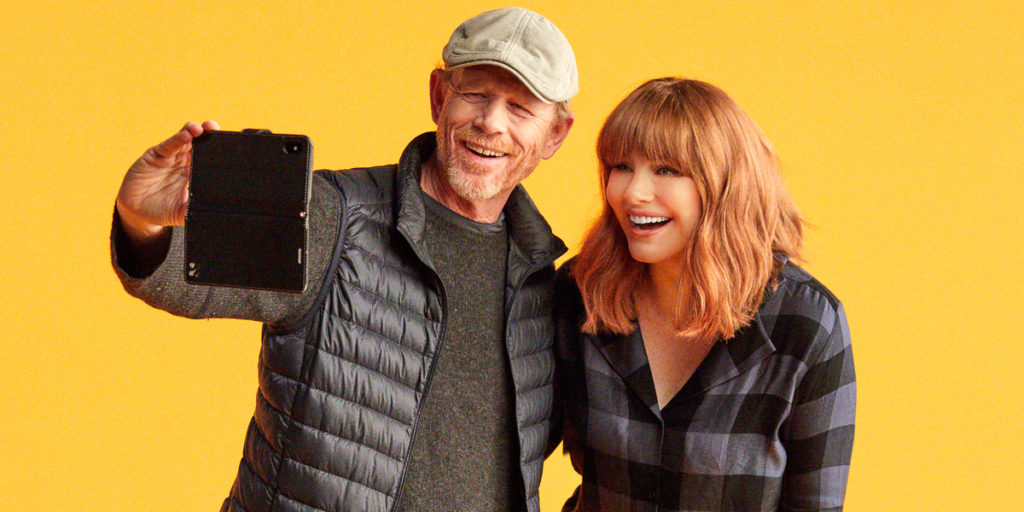
Dads at TIFF via TIFF Big news in the branded film space – and worth covering up front, I think. One of the big sales announcements at the Toronto International Film Fest (TIFF) was Dads, by Bryce Dallas Howard, which was picked up by Apple for its new Apple TV+ subscription service. The film was produced by (her father) Ron Howard, but most interestingly, it was funded by Dove Men+Care, a Unilever company (full disclosure, I’m working with Unilever on another project). In fact, they announced the partnership from the stage of the premiere.
That’s pretty big news for branded content – that the film got into TIFF, received solid reviews, and Apple made it clear that they are open to branded content on their new service (if it’s good). This follows the May premiere of 5B, by Dan Krauss and sponsored by Johnson & Johnson, at Cannes, in competition, which then won the Cannes Lions Grand Prix, which is an advertising award, and it was then picked up by Verizon/Ryot and got a theatrical and digital release, also to good reviews. It’s clear that good branded content is getting some attention.
Miscellany

Image via Scott Galloway WeWork and the death of Real Work in the City – off topic here for sure, but I’m going to write a longer article or book about this sometime, and given the We Company’s upcoming IPO, I’ll weigh in with my opinion now. Plenty of others have written about the ridiculous valuations of this company and the downsides of it as an investment (here’s HBR if you want a good summary, or better yet, Scott Galloway), but no one is covering what I think is the biggest problem with WeWork – how it is killing off real work-ing businesses. WeWork is destroying New York City and probably every other town of any value. It’s a gigantic vacuum of suck – hoovering up investments, office - and now living - square footage, startups galore, entire city blocks, press attention, millennial brain-power, design-sense and the last crumbs of dirt from the fingernails of the strivers who scraped their way into the city decades ago. The average rent for a dedicated desk at WeWork in NYC is $636 a month, and the average individual office space is 36 square feet., compared with the industry average of 150 sq. ft. This is just for a one person, one desk office, mind you, and an actual office costs much more. At that rate, you’re looking at about $212 per square foot. You could rent in the World Trade Center or Hudson Yards for that rate. It’s actually double the highest average Class-A office space rental cost in Manhattan. They claim you save money on build-out and desks, and kegs, etc. but trust me, you can set up an office for cheaper than the difference in cost.
But because start-ups can’t do math and figure out what price per square foot means, and because they don’t have the money for the deposits required for normal offices (usually 10 years), and because they are funded by Venture Capitalists who don’t really care, they can just spend these insane amounts of money. No one spending their own money would pay these kinds of prices for rent. In fact, anyone who wants to make a profit wouldn’t pay these prices – and for the most part, they don’t – they sign long-term leases with real landlords to bring down their overhead. You have to be playing with “funny-money” to enter this game.
In fact, you can almost look at this as a weird circular washing machine – VC’s invest in startup-A, who rents at astronomic prices from another startup-B (WeWork) founded with VC cash; then startup-A hires employees who only buy from other startups (like Seamless), and take rides from other startups (like Uber) funded by other VC’s. Few of said start-ups make any actual profit, and get by with more VC funding. Importantly, little of this value actually accrues to anyone else – just the founders and the VC’s. And WeWork sells this on a false sense of creating a new kind of community – where you live, work, play, eat, and send your kids to school, in a community of the new economy. But what you’re really supporting is a late-stage capitalist machine that ends up profiting one person – the founder of We. Ironic name, no?
Meanwhile, real businesses - ones that actually contribute to the local economy and to our culture, and that have to make a profit to stay in business - are pushed out. Further and further, as WeWork colonizes even the outer-reaches of the City. Manufacturing, small industry, the entire garment-industry in Manhattan, artists, crafts-people, small businesses, trades… you name it, they’re getting pushed out. Often for a WeWork space that houses a start-up that won’t survive the upcoming recession, if they even make it that far. This has happened in NYC, and appears to be happening in every City of any size around the world.
Unfortunately, when it all comes crashing down – which it will – Regus (it’s profitable, public, less-sexy competitor) will pick up some of the pieces, but the damage will be done, and most of these displaced, real businesses won’t be able to return. The shops their employees went to – the ones not owned by CVS or Walgreen/DuaneReade or VC-backed businesses – are gone as well, and won’t come back. There’s a reason you see so many empty storefronts in Manhattan, and it’s intimately tied to this cycle.
There’s a movie in this somewhere to be sure, but unfortunately, that won’t bring back the value that has been lost thanks to the We Company.
FILM
The Netflix Wars hit TIFF – early in the festival, a journalist noticed that none of the Netflix or Amazon titles were playing in the ScotiaBank Theater, owned by Cineplex, and TIFF had to confirm that Cineplex wasn’t allowing streamers to show there at all. This is for industry and press screenings, mind you, showing that the brains of the theaters management are sized inversely proportional to the size of those big screens in that theater. This is nonsense that won’t help win the streaming vs. theater wars.
How many Indie Films Hit Cinemas? Stephen Follows analyzes the data, and it ain’t pretty. Out of 877 films analyzed, and removing Hollywood films, just 17% made more than $100K at the box office. Send your kids to film school, folks.

via Stephen Follows Google Has a New Tinder Style Interface for Finding Films – About time. The NextWeb article has all the info on how to use it, but just type “What’s good to watch” on Google, and they’ll show you an easy to swipe system that learns from your thumbs up or down, etc. and it shows where everything is available to stream. You can narrow down by platform too. Perhaps this system will finally help solve the over-abundance problem.

25 New Faces of Indie Film – Filmmaker Magazine’s Annual report on the 25 rising stars of indie film hit the streets and online. This gets reported a lot, but in case you missed it, check out the list for some talent to watch.
Apple TV+ Has Launched – at $4.99/mo. This has been reported everywhere, but in case you’ve been under a rock. And The Wrap has the full line-up that they’ll launch with soon. People are saying the streaming wars are going, but it seems to me, we’ve just built a worse TV. That said, they also launched the iPhone 11, and Sean Baker took to the stage along with others, to tout it’s great video capabilities. Read more about that via the Guardian. And CNET has the goods on how their subscription gaming service will work – including the ability to play offline.
Vulture announces Bilge Ebiri and Alison Willmore as critics – About time. Bilge has written for Vulture and NYMag off and on for a long time, but is now full-time at Vulture. Bilge is literally the smartest critic, and best writer, out there and deserves to be at the NYT – or MOMA - (full disclosure, he’s also a friend). Willmore has more than proven her critical chops at Buzzfeed (and Indiewire before that). Congrats to both.
The Radical Film Fair hits NYC this weekend – Presented by Eyeslicer and Kickstarter, there’s lots going on for those of you near Brooklyn this Sunday.
Robert Frank, photographer and filmmaker, dies at 94 - The NYT has the obit for Frank, who was one of my favorite photographers and filmmakers. While he's best known for The Americans, many also know him for his films like Pull My Daisy. I was lucky to meet him once, and was inspired by his work. There's a great film about him from Muse Film & Television (I was on the board once), called An American Journey, In Robert Frank's Footsteps, by Philippe Seclier, you can still get it on DVD on Amazon via KinoLorber.
BRANDED CONTENT
Marketers are capitalizing on documentary filmmaking’s golden age reports DigiDay (h/t BrandStorytelling): “It’s always hard to find funding, but [that viewership trend] has made my pitch to brands easier and more attractive,” said Shaun MacGillivray, president of film studio MacGillivray Freeman Films.
Advertisers aren’t worried about key execs leaving Quibi, reports Digiday. Sure, it might not matter, but it was some key talent, and just before launch.
The Tow Center at Columbia Journalism published a guide to Native Journalism – worth a look if you or your company is moving into this space. It’s got some great summaries, best practices, and concerns. Unsurprisingly, they found that publishers and brands saw no ethical issues, but that there was a clear lack of transparency around native content, and that consumers are confused by this obfuscation. I think this stuff can work and be done well, but it risks lowering consumer’s trust in news even further (it’s already pretty damn low), so publishers need to get more transparent fast.
-
Fall Fests, Laemmle closing, Brands and hard news, and other musings post Labor Day
- Posted on 4th Sep
- Category: Newsletter
I’m back from my social media and all-things-electronic-vacation, and back to writing this newsletter. Can’t say I missed the social media, but I did miss the feedback from readers, so I’m glad to be back.

image via WikiMedia Fall Festival Thoughts:
This weekend saw the beginning of the Fall film festival season, with Telluride over Labor Day weekend, Venice, and now we go into Toronto, the NYFF and onwards. It’s a thrilling time to be a cinephile if you are lucky enough to live in or be able to visit one of these places, and even better if you get into one of them with your film. No matter the circumstances, that makes you part of the 1%. The very lucky few.
The festival season is a perfect example of the best of times, worst of times dynamics. Even those filmmakers lucky enough to get into TIFF face an uphill battle in getting their films picked up for distribution – heck, it’s tough to even get people to pay attention to your film at TIFF if you aren’t one of the bigger films. Numerous amazing films – especially arthouse, foreign cinema – don’t find substantial distribution, especially not in North America. On the other hand – as a festival-goer, you can’t complain about the plethora of great films on offer. But on the other hand, I’ll bet that once again, when I head to dinner and/or drinks with my industry friends, it won’t be long before the conversation switches from what we watched that day, to what shows we’re obsessed with binge-watching on Netflix – even the industry is focused more on episodic than stand-alone features.
There’s definitely a disconnect between what’s getting made, what’s being programmed at these festivals and what people ultimately want to watch. Many festivals are adding sections devoted to TV and episodic, trying to chase the coattails of this trend, but I think instead, they should be figuring out how to build audiences for these films year-round (to be fair, TIFF is one of many who do a good job at this with their year-round programming). Arthouse cinema can’t survive on the festival circuit alone – the free wine and cheese won’t keep the filmmakers fed (or housed).
But that’s a problem that I either don’t have solutions to yet, or the ones I’ve tried have failed. We need more good ideas – how about some panels about real issues like this, instead of the tired festival panels we keep repeating at every festival? In the meantime, I’m off to TIFF and then the wonderful little Camden Film Fest (Maine), and can’t wait to see some great films, and hope a few will break through the noise and get seen by others soon.

Mandatory Credit: Photo by Peter Brooker/Shutterstock (379747u) THE CINEMA ' 'FRAILTY AT LAEMMLE' FILM PREMIERE, SANTA MONICA, LOS ANGELES, CALIFORNIA, AMERICA - 08 APR 2002 With Laemmle Being Sold, does the Academy need new qualifying rules? – Both Deadline and Indiewire reported in early August that the famed Laemmle Theater chain in Los Angeles may be up for sale. That’s 42 screens in 9 LA locations, and historically, Laemmle has been a consistent home for indie films, particularly documentaries, that want to play an LA theater to qualify for an Academy run. A handful of companies are kicking the tires and may buy the chain, but there’s no guarantee that they’ll follow this practice. What’s been left unstated, but was brought to my attention by a theater booker friend is just how important this is for qualifying. This person’s take was that Laemmle has been the qualifying run home for the majority of indies in LA, and without it, the Academy would literally have to change their rules about a theatrical run in LA being needed to qualify. Greg Laemmle, who owns and runs it, has been a champion for such films, and was willing to take risks to program (or four-wall) them – as LA is the place indie films go to die (not enough people show up). Let’s hope whoever buys it has the same ethos, or this could mean real trouble for the field.
Curating cinema: I’ve written a lot about the need for more and better curation services for film (and other arts), and in particular the need for more film orgs/festivals to do this. Well, Sundance is doing it, so I should give props to them for this service. Their curated list for August came out recently, and was also used as the lede in their most recent email newsletter. Kudos to them – now, I’d love to see them curate lists of films that are not festival alumni – we trust your opinions all around, Sundance, so share them.
And while I’m speaking about curation – why aren’t more trusted brands doing this in their newsletters/catalogues/etc.? And props to three other great curators – POV, the Criterion Channel and Jack Reynor, on Instagram – who are hands down the experts right now. And last minute note: Netflix just launched human-led curated collections this week (now, they should add some trusted brand partners).
Finding Cinema is harder than ever – reports Vanity Fair on August 2nd, in a great article by Elisabeth Donnelly. Sure, in theory, you have everything at your fingertips, but as she reports, with more than 40 streaming services, and exclusivity, as well as the curation (or lack of it) from the services, and what you really have is a hodge-podge of film history, where auter-classics, as well as just cult-classics like The Revenge of the Nerds, might not be online, and only on a DVD somewhere. Not a new problem, but a well-researched and reported story, and worth a read. Unfortunately, no one has an answer and all seem to agree that the “celestial jukebox” or “Spotify for Film” we’d hoped for in film, will never arrive. Why did we make this internet thing, again?
Branded Content
Branded Content, “safe words” and the perils for hard-news: The WSJ (paywall) had a great article Aug. 15th about advertisers using blacklists or terms to avoid in placing their ads – you know, let’s not show any airplane ads next to stories about bombs, for example. But as the practice increases, to where Fidelity’s blacklist has over 400 words, news outlets are feeling the pinch. As reported, “The ad-blacklisting threatens to hit publications’ revenue and is creating incentives to produce more lifestyle-oriented coverage that is less controversial than hard news.” It’s becoming a big problem for hard news publishers, and the story reports that even prime outlets like the NYT are starting to produce more lifestyle content as a result. My take: when you couple this with the increase in branded content, and even brand journalism, you have the makings of a big problem. Very few brands are willing to tackle truly hard stories, that don’t at least put their brand in a positive light (for good reason). Follow the money, they say, and if you do that here, you’ll find a lot more money going to certain kinds of stories and not others, being told. Sure, a publication like the NYT can take money from an ad in the Styles section and use it to fund a piece on Iran, but when more money comes in for fluff stories than news, that will get prioritized, both for advertising and what gets made as “content.” I work in this arena, and think there are solutions to be had, but this ain’t easy, and it’s a concern.
Extreme marketing – cleaning Everest, for example – is all the rage – The WSJ (paywall) reports on Bally, Panerai and others are using extreme, experiential-based marketing to engage consumers. From the article: “Girotto (Bally’s ceo) says he doesn’t expect any business return from the company’s spending on Peak Outlook. “Brands like Bally must have a purpose beyond profit,” he says. Of course, many consumers might say the same thing. “It is connecting through values,” says Hovland, the Devries Global CEO. “It’s extreme marketing, but it’s not extreme for its own sake.”
CGI Product Placement is coming to Films, and soon: Digital Trends reports that LA based Ryff, Inc. has developed a technology that can insert products and logos, etc. into films, and customize the product being shown based on the viewer. So, I might see a Coke bottle on the desk in a movie/show, and you might see it as a Budweiser. Or maybe a truck driving by in a movie has an ad for pizza for one set of consumers, and an ad for diapers for another. Cringe-worthy stuff here – and once again, a tech that could be hacked to insert beautiful art instead of ads (I hope…) – but if you can build it, advertisers will use it. You can check out a demo here. (h/t to Brand Storytelling’s newsletter).
Branded Choose Your Own Adventure (Bandersnatch-style) Games are coming to Twitch, reports Digiday, and it seems to be working. Saw this one coming – Porsche worked with Twitch to make a live, game-style launch of its new electric race car, and got 28,000 views at any given second, and 2 million in total. Expect to see a lot more in this space soon.

- About
- Our Services
- Differentiation
- Clients
- Team
- Contact
Learn more about us, our films, the services we provide for brands, and what makes us different.
Get updates and read Brian's weekly newsletter about film and branded content.

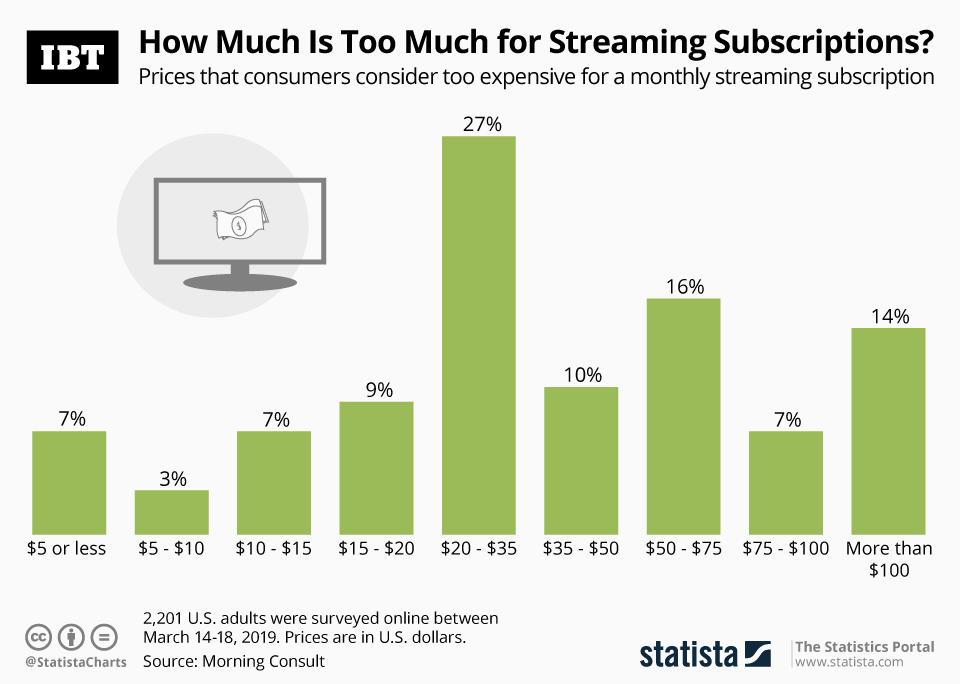
- About
- Our Services
- Newsletter
- Clients
- Past Newsletters and Blog Posts
- Contact
- Privacy
- Terms
- Powered by Assemble
Learn more about us, our films, the services we provide for brands, and what makes us different.
Get updates and read Brian's weekly newsletter about film and branded content.