-
Sub-Genre At the Movies
- Posted on 12th Mar
- Category: Newsletter

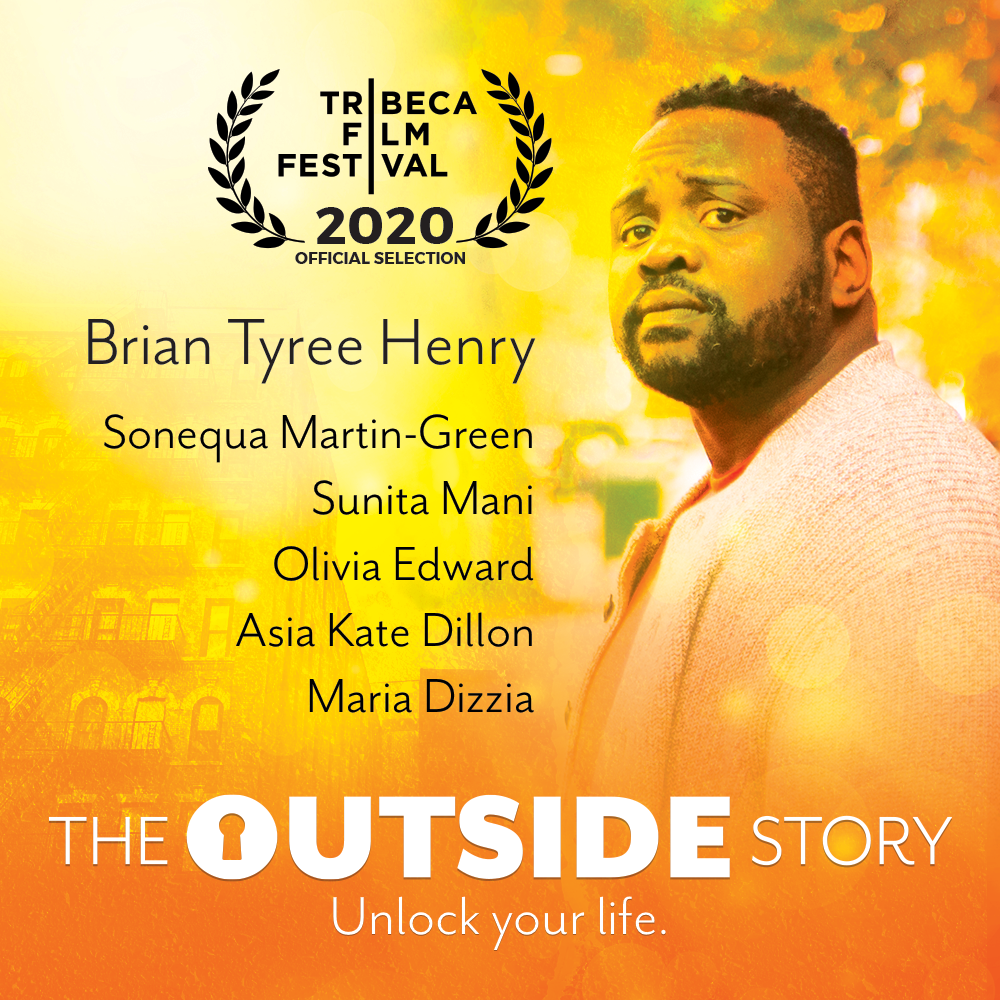
I have to interrupt the normal newsletter flow for some self-promotion this week. I'm super proud to announce that a film I produced (along with Frank Hall Green and Joseph Stephans) - The Outside Story, directed by Casimir Nozkowski - premieres at the Tribeca Film Festival in April. This one is a true indie, with no brands involved, and I can't wait for my friends and colleagues to see the premiere. The cast - partially listed on the graphic above - is amazing, especially Brian Tyree Henry. Stay tuned on our FB page for updates, but here's the synopsis:
After many acclaimed supporting roles, Brian Tyree Henry (Atlanta, If Beale Street Could Talk, The Eternals) takes on his first big screen lead character as Charles Young, an introverted video editor, trying to recover from a broken heart. Perceiving a betrayal of trust as a sign his girlfriend Isha (Sonequa Martin-Green, Star Trek: Discovery) is leaving him, Charles pre-emptively blows up his relationship and sequesters himself at home. The fates do not comply and Charles accidentally locks himself out of his apartment. Stumbling into a life-changing odyssey exploring his building and opening himself up to his community, Charles meets a world of previously avoided neighbors played by Asia Kate Dillon (John Wick 3, Billions), Sunita Mani (GLOW, Mr. Robot, Madeline’s Madeline) Olivia Edward (Better Things) Maria Dizzia (Orange is the New Black) and Michael Cyril Creighton (Spotlight) among others. In a nearly real-time experience, Charles is forced to re-evaluate his choices when he sees his life in parallel with the people around him. From his recently widowed neighbor next door, to the curious swingers upstairs, to the piano prodigy hiding out on the roof, Charles moves from one neck-snapping tableau to the next, disrupting and being disrupted in the process. With no shoes, no money, a phone running low and the stars aligned to keep him physically separated from his comfort zone, Charles discovers in The Outside Story we’ve all got issues and it never helps to keep them locked up inside.
I'm also excited to announce a few other client projects premiering soon - and there's more to come with about 12 client films premiering this Spring/Summer (!) - which I'll list once the fests announce their schedules.

Also at Tribeca, is FRIES! from Zero Point Zero productions and director Michael Steed. As I've been telling folks, this one is going to change the world one fry at a time! Ok, it's just fun, and informative, and a crowd-pleaser. But it's been a pleasure to work with ZPZ, who joined Chrissy Teigen, Malcolm Gladwell, Eric Ripert, Sir Kensington's and others on this fun film.

And launching at CPH:DOX is Project Debater - a film by Epic Magazine's Josh Davis and Harry Spitzer, about an AI developed by IBM that can debate a human. This one will premiere with a live debate between a champion debater featured in the film, and the AI - augmented with power from the intelligence of the audience! Click here for more info.

SXSW also premieres ZPZ's Radical Love - a great short about Michael and Eleanora Kennedy, a husband-wife legal team who represented a who’s who of the politically subversive class in the 1960s and 70s. I didn't work on this last one, but have been following it while ZPZ has been a client, and it's a must-see project.
Back to my rants on the week's news next week. For now, mark these films on your calendars/queues and please help spread the word.
Stuff I'm Reading
Film/Streaming Rian Johnson says Apple won't let "bad guys" have iPhones on camera - brand protection taken to the extreme. Roku is in talks to make shows- kinda like Amazon, but being quiet about what they want to do, kinda like clueless bureaucrats with a vague, copycat idea. Quibi Closes Upsized $750 Million Second Round of Funding for Mobile-Video Launch - Quibi raised more than it thought this round - is this a good thing, or a sign of over-spending or over-enthusiasm? We'll find out in just weeks. YouTube TV adds a big missing piece of the cord-cutting puzzle with HBO deal - FastCo reports that YouTube has made a big deal with HBO, making it another bundle of sorts. Disney streaming falters due to lack of adult programs, experts say - Has Disney's growth slowed because they've gotten all the kids, but have nothing else for adults? That's the theory from the NYPost. Gaming/VR/AR/AI Push-button warfare: How artists use games to capture drone strike horror - ArsTechnica reports - “It is ongoing, it is growing, and it is horrifying.” That is how digital media artist Joseph Delappe described the military use of drones" and why he's focusing his art on this issue. More artists are doing the same. Will this bring more public outrage than film has been able to do? More Than 100 VR Games Have Exceeded $1 Million in Revenue- Maybe these things will work after all. RoadToVR Reports The Pentagon now has 5 principles for artificial intelligence Wait...the Pentagon has principles?! These seem toothless, but you gotta start somewher Misc. Perhaps the cloud isn't such an energy hog - A couple of weeks ago, I posted about the climate impact of cloud computing and how our shift to this - and how it overlaps with Netflix, gaming, etc. - could be a bad thing. Well, turns out the NYT reports recently that while we are shifting to the cloud, these companies are increasing their capacity while decreasing their impact. I'm wrong, Wired is wrong, not all is lost. Is TikTok just Spyware? Yes, says Reddit's CEO in FastCo Musicians Algorithmically Generate Every Possible Melody, Release Them to Public Domain - this was a pretty genius move. No one seems sure whether it will hold up in court, but it proves the absurdity of these copyright claims. -
Closing the windows in response to Coronavirus
- Posted on 12th Mar
- Category: Newsletter

With Coronavirus in the news and hitting the stock market, I've received many newsletters and updates on how it might impact the film business. Here's a straightforward and pretty decent one from the Arthouse Convergence about how to stay prepared as a theater owner, for example, and here's Variety reporting on how Netflix (and similar companies) might benefit from people staying home and watching television. But I'll make a bigger bet - if we see a serious quarantine from the coronavirus pandemic, we might see an irreversible impact on film windowing practices, as film companies see the benefits of marketing directly for home viewing and don't turn back.
Let me be clear- I don't want anyone to get sick, and I don't want anyone's business or their employees to be impacted by a pandemic! But when the shit hits the fan, a lot can happen, and not all of it will be expected. What happens if US (or French...) audiences suddenly can't go out of their homes for three months? All the talk about postponing films for a bit becomes secondary to - hey, why don't we launch a few of these titles direct to consumer - conveniently, on these SVOD/AVOD platforms we've been developing and that we own - and see what works? And guess what, most of it will work, because very few films really demand to be seen on the big screen (in general and to most consumers). And then the bosses, who have been careful not to alienate their theatrical partners, start looking at their dismal stock prices and relatively decent returns from direct to consumer, and decide that's where they should put more of their investments. And then it becomes a cycle - it works for smaller or specialized projects, then it works for something bigger, and then... why go back to the old ways of doing things once coronavirus has been solved?
It will only take a few months for this unplanned experiment to make a difference in a business that's already changing. Yes, once we can all go outdoors again, everyone will rush to theaters (and that box office boost will be significant), but that will be for the popcorn blockbusters that will always work in theaters anyways. The rest of the business might well shift completely to the home. It could be a very bad time for theaters and theatrical based businesses - which are already having a rough Q1, and might not be able to hold on through a sustained quarantine. I also hate to say it, but Jeffrey Katzenberg could not be happier with the timing for Quibi, either.
In the meantime - stay healthy everyone.
Stuff I'm Reading
Film
11 Million Americans Used Streaming Services Illicitly Last Year - A surprisingly well written article by Variety on password sharing, which doesn't argue that it's the same as piracy, and instead shows that education will work better than penalization- "Stricter enforcement would likely lead to some conversion to new accounts, but most would revert to ad-supported (i.e. free) options — in other words, attempts to penalize violators largely would be counterproductive;"
Amazon and Netflix to speak at Cannes Lions 2020- But they aren't moving into advertising, they say...
Studio Ghibli has made a ton of anime music available for streaming - and that's a nice gift!
Staples is opening podcast studios in six Boston stores- You know Podcasting has gone mainstream when Staples announces they have podcasting studios for rent - according to Endgadget, they are offering cheap studios and equipment to record your podcast.
It's a short newsletter this week, maybe that's better?
-
Brand(ish) Film @ the Oscars
- Posted on 12th Mar
- Category: Newsletter

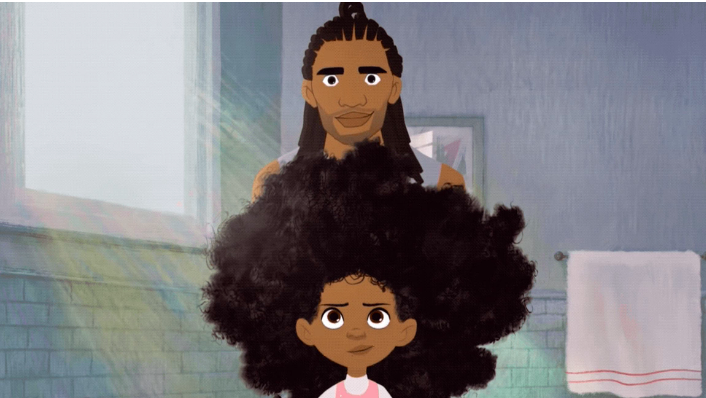
Quick Lessons from Hair Love – the brand funded film at the Oscars Everyone in the branded content world has been going gaga over a brand-funded film winning at the Oscars – where Hair Love, by Matthew Cherry won for Animated Short film, after a successful Kickstarter campaign and financial and marketing support from Dove, a unit of Unilever (full disclosure, a client, but not for this). While the film was not traditional branded content, it still marks a milestone, and has a few lessons for those of us working in this space (or wanting to work in it).
- Most importantly – the film didn’t start with the Brand. No one at Dove went to the filmmaker with an RFP, hoping to make something that looked good for their brand. Instead, as AdAge explained awhile ago, Dove learned about the film after the Kickstarter began: “"In the middle of the Kickstarter campaign, they reached out and were one of the few companies that really got it," (emphasis mine) he says. The brand donated some money for the production but had no requirements with regard to product placement. "That was the thing that was so great," he says. "They just really wanted to support from the beginning, and the only thing we had to do really was the shout-out in the end credits." Lesson: There’s enough creativity in the world, and it’s likely not coming from within your brand, or your agency (sorry). Smart brands will look for projects that would exist even without their support. Be open to smart pitches that fit your brand message/goals, but that don’t come from an RFP.
- Trust your filmmakers – work with good talent, and stay out of the way. Dove didn’t give notes, and they didn’t have input into the film. Lesson: let the creatives be creative, and trust their work.
- Diversity. The film comes from diverse filmmakers – who come from the community they plan to represent – and the subject and causes around the film are important to that community. Lesson: find stories that are coming genuinely from diverse, under-represented communities. There are audiences for these stories, and they will notice who is paying attention to their stories.
- Cause Based. As Jordan Kelley of BrandStorytelling explains: “(Dove) put forward capital to help put the spot directly on an entirely different issue: The Crown Act. Dove financially supported the attendance and wardrobe of High School Senior DeAndre Arnold, who attended the Oscars as a guest of the film's creators to bring awareness to hair discrimination experienced by people of color in schools and the workplace across the country. Arnold's attendance combined with ample speaking opportunities with reporters and audiences gave the creators a platform to speak and spread awareness on the issue in a meaningful way. The Crown Act will ban discrimination based on hair textures and styles commonly associated with race.” Lesson: Have a cause, that genuinely resonates with your brand, and don’t just make a movie about it – stand behind that cause and use your marketing to bring attention to the cause, as much as you do towards the movie.
- Stay Back – As mentioned above – Dove is only in the end credits, and they’ve been remarkably, smartly tame in their associated marketing campaign. There is no product placement, and they’ve concentrated their energies on helping the film do outreach screenings around the cause – having a Dove “self-esteem expert” join the filmmakers at Q&A’s. Lesson: less is more. Brand affiliation is better than product placement or overly loud marketing.
- Tap into sticky trends – Filmmaker Matthew Cherry was inspired by viral videos he saw on YouTube about African-American dads helping their daughters with their hair. Less mentioned, there’s an entire history of films about African-American hair that shows a market for these stories (many well before Chris Rock made his, such as Ayoka Chenzira's influential (and amazing) Hair Piece: A Film for Nappy-Headed People) . And the Kickstarter campaign was going viral even before Dove got involved, and was one of the most successful shorts on the platform. Lesson: where there’s smoke…
- Distribution – Importantly, the film had distribution locked in from Sony, which came about from producer Karen Rupert Toliver, a longtime animation studio executive (Rio, Ice Age) who worked for Sony Animation, and while this was a side-project, that definitely helped them secure distribution. The film played before Angry Birds 2, in theaters, before it went online. This was partly to qualify for the Oscars, but also to build buzz with audiences. Lesson: work with distribution pros, and don’t rely on your YouTube channel alone. In fact, focus on projects that can get real distribution, add your marketing power, and you’ll see success.
These are just a few quick take-aways from Hair Love’s win. While they are all simple, too few brands are following the practices that made this a success for the brand, and more should. Back in 2014, when I helped Patagonia bring DamNation to theaters, Adweek asked if a brand film would ever win the Oscars. Now, just six years later, we’ve seen it’s possible. Funny enough, most of the lessons above (except diversity) applied back then as well, as AdWeek pointed out in that article: “ DamNation bears minimal branding, and its directors were also granted final cut. After completing a short theatrical run to qualify for the Academy Awards, DamNation was released online. It will also be available on Netflix. "We're here to solve environmental problems," said Joy Howard, (ex-)vp, marketing at Patagonia. "If we can show that, then people process what we're about, become loyal and commit to the brand." (all emphasis mine) The lessons remain the same – and if more brands follow them, we’ll see more brand-supported films at the Oscars in the future.
Stuff I'm Reading
Film & Streaming Congrats to Eugene Hernandez, who just became Festival Director for the New York Film Festival - IndieWire has the report, which is appropriate, because that's where Eugene started, founding Indiewire back in 1995/96 (first as ILine) with a few others. I don't know a better - or nicer - person for the job, and it shows that the NYFF is once again on a trajectory to be the most important festival in NYC. Kudos to Eugene and the festival. NATO/E&Y study shows people are more likely to stream a film if it's been in theaters - but also shows disruption is not true - Variety Reports. "The study... found that streaming services are complementary, not cannibalistic when it comes to moviegoing. People who visited a movie theater nine times or more annually streamed more content than respondents who visited a movie theater only once or twice. Respondents with more than nine trips to the movies saw an average of 12 hours of streaming content per week, compared to the seven hours that respondents who only saw one or two movies a year watched on average. Of those who didn’t visit a movie theater in the last 12 months, nearly half didn’t stream any online content. The findings belie a popular narrative, one that argues that movie attendance is struggling because people would rather stay home and watch Netflix." Hollywood Box Office Booms, even as people stream more; but Indies...not so much - Matthew Ball had a great article in Bloomberg recently where he showed that even as ticket-sales hit a new low, the share of box office going to mega-blockbusters keeps increasing. Great stuff from MB per usual. The problem for indies as his charts show is that more are getting funded and put out in theaters than ever before - but less people are going to them. His stats here and everything I've seen show the same problem – oversupply. Almost all of the increase in supply is coming from minor/major indies, but none of the viewing share has shifted to them. My take: there are X number of people who go see indie films at theaters every year, but now they are split across more titles, so each one gets less box office. The question is - as we move to streaming will those audiences watch more indies, or will it also become a forum where people seek the "theme park and museum pieces" as well? My bet - while specific niches will see an increase in views, most eyeballs will stick with the bigger majors and minors. We'll keep seeing an increase in indie production, but there won't be any increase in indie viewership. Matthew Ball - again - on the false narratives behind the streaming wars - Consumers have moved to subscriptions as a pricing option, but that doesn't mean there's a limit to how many subscriptions they'll accept. Rather, just as we used to pay for whatever we want (per title, or per item), we'll keep doing the same - according to three rules: "A service will succeed if (1) it addresses a real, outstanding customer want/need; (2) at an appropriate price or value to the consumer; and (3) while generating sustainable economics." My take - I agree, but nailing part 1 is the real kicker here. Scott Galloway taught a class on SVOD winners and losers, and his blog sums up most of his thoughts come down to this: "In the context of the streaming wars, SVOD adds momentum to the flywheel. Movies and entertainment evoke powerful emotions. The connective tissue of the flywheel is increasingly emotion. The NPS score (consumers’ emotional connection to a company) is negative to zero for ecommerce and internet companies, but it’s strong for SVOD companies. Loving Fleabag means you’ll buy your next toaster from Amazon, not Target or Williams-Sonoma. The result? In the last 13 months Apple and Amazon have added Disney, AT&T/Time Warner, Fox, Netflix, Comcast, Viacom, MGM, Discovery, and Lionsgate to their market capitalization." He titles the article "Bezosland" for a reason! MovieFone is Dying, and has just one employee left - another casualty of drunken pirates...er, MoviePass. /Film Reports. New York may cut it's tax-incentives - Hope we see some organizing against this move from Cuomo - NYUpstate Reports, and while it's a trim, not a complete cut, it's not good for the film biz here. The World's First Vertical Format Blockbuster is coming - oh my! reports /Film. Cineastes recoil, but this has been coming for awhile now. Why was The Irishman Shut-Out of the Oscars? Because of the reduction of friction, reports Dana Harris-Bridson in IndieWire - A smart analysis of the many reasons The Irishman didn't prevail - it's not just because it was Netflix, or long, argues Dana Harris-Bridson, but the lack of friction caused by streaming vs. theatrical - and while this sounds simplistic, it's true - the film demands your attention and commitment differently if you go to the theater. While I agree, there's one little problem - most Academy voters watch all of this stuff on screeners... Branded Content Conde Nast is establishing a network of film/tv studios - according to The Drum, their major brands - New Yorker, Vogue, Vanity Fair, Wired and GQ will each launch their own respective studios as the publications aim to become digital and video-first.
Instagram Influencer Marketing Is Already A Nightmare. Political Ads Will Make It A Shitshow. Reports BuzzFeed - amen to every word of this smart report, and shame on the FTC and FEC who have no plans or clue on how to help the average user distinguish ads from reality.
New Tech
A new implant jacks directly into the brain, allowing the blind to see - By using glasses that completely block out all light and fitted with a tiny camera that is connected to her visual cortex, a 57 year old woman was able to see despite her eyes being handicapped to the point where they cannot detect light. This is great news, and shows just how quickly we're getting brain/computer interfaces, and how much closer to The Matrix we're getting by the day. Mother Meets Recreation of Her Deceased Child in VR – You can easily look at this as a creepy if not downright exploitative use of VR, but it's also undoubtedly the future. And as the RoadToVR reports, if you dig into the show a bit (it's part of a documentary), it clearly was helpful to the family. And once again, it brings The Matrix closer to reality - "It’s that point in the future though when AI is capable of automatically conjuring a person based off a compendium of video and photo that we’re waiting to see. Because whether you like it or not, virtual humans are coming, and I think we’ve just taken one step closer." VR World Lets Users Enjoy Digital Assets in an Immersive way - Somnium Space- which I haven't tried - let's you use blockchain to trade/sell digital assets in real time, while also interacting with other players in a much more realistic manner. Explains Cointelegraph: To understand exactly how this makes a difference, the platform compares this to standing on top of the highest mountain within its VR world and being able to see hundreds or thousands of fellow gamers “a few kilometers away, rushing around and exploring the world beneath you all in real time, all in VR mode.” Participatory culture gets one step closer. Maybe they should combine this with the Ring Fit Adventure, for some more active game-play. Elon Musk says all advanced AI development should be regulated, including at Tesla- More people are pushing for regulation of AI - the problem is our government has gotten pretty lousy at regular intelligence, so I'm not sure they can handle artificial, but if we do something crazy and let actual scientists help make the rules, just maybe this would be a good idea. -
Sundance and BrandStorytelling quick takes.
- Posted on 4th Feb
- Category: Newsletter
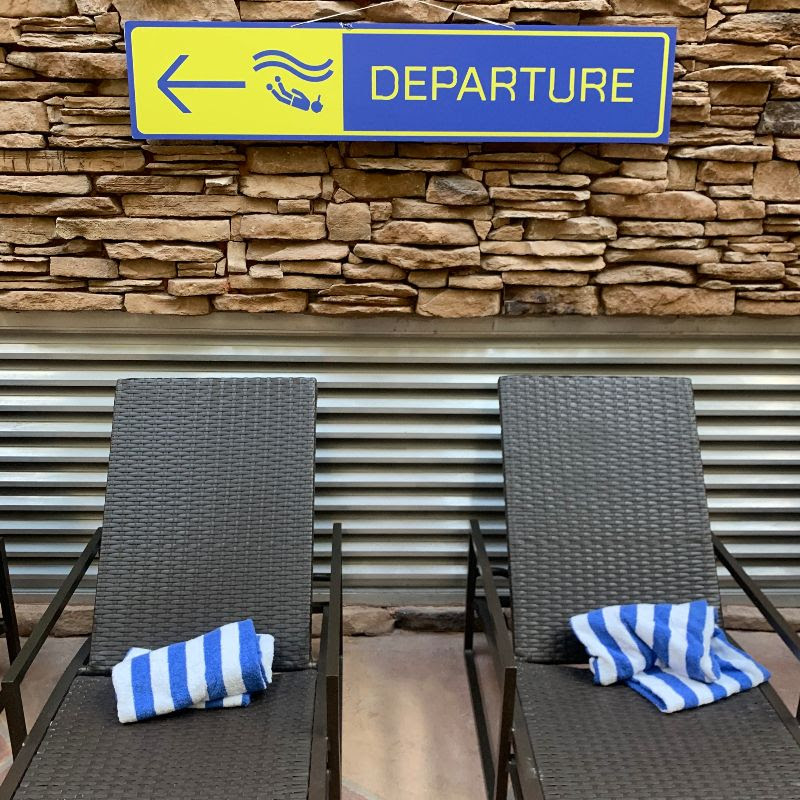
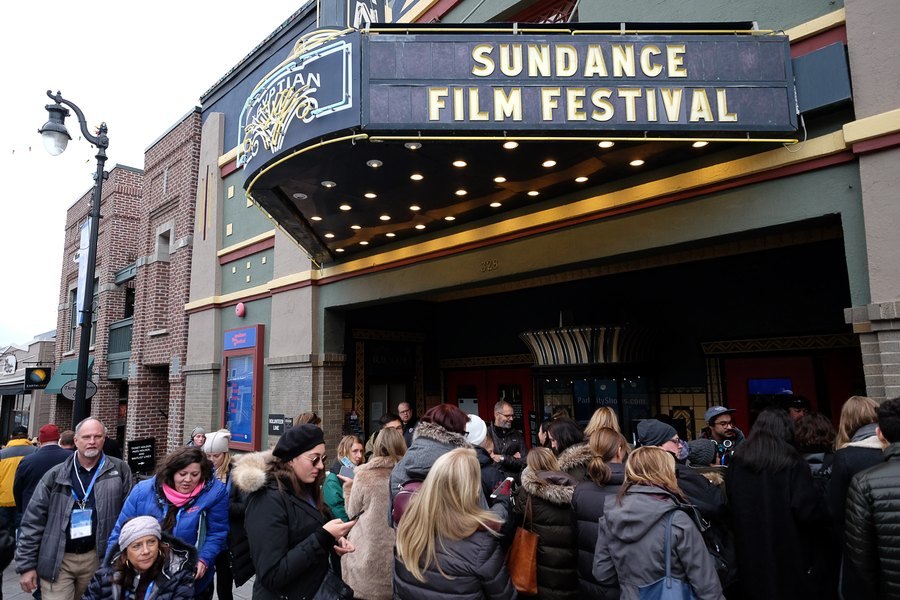
Park City in January. Again. This was my 21st year attending Sundance/Slamdance, so I was old enough to drink...damn that Dry-January though! And for the past several years, I've also been attending Brand Storytelling, up in Deer Valley, which has become a must-attend event for those who dabble in anything to do with brands and content. Many in the industry complain about attending Sundance each year, or express joy when they can skip it, but I consider it a privilege to be so lucky as to be able to work in an industry that allows me to attend, even if it can be ridiculous at times. Anyway, here's my quick takeaway's (QuiTa's in Quibi speak) from Park City 2020 (no film reviews here, as I didn't see enough films to comment):
1. Buyers had money to spend, and they did. New records were set for sales (by .69 cents), and lots of folks seemed to be overpaying for films. IndieWire has a good break-down of all the sales, and this link has all their reviews and news. We won't see the real results til after the fest, and when things hit the market, but all signs were positive.
2. And a lot of deals were hybrids- look into the deals and you see a lot of shared buys - Neon with Hulu for that extra $.69 being the most famous. But smart buyers were combining forces to give the best offers, a real theatrical, an SVOD home and likely awards runs (and to deepen the buyer's pockets).
3. Talk on the town, however, was that it was a slow Sundance - in attendance and things worth buying. On the one hand, I'd point out that people say this every year, but...this was the first year that I rode on an empty bus, and I was able to get into two P&I screenings at the last second with no line, and plenty of room (very rare).
4. Change is everywhere. Cooper - the head of the fest - had his last full programming year, and rumors are out of a very smart pick for his replacement. Anne Lai left Sundance to take over San Francisco (which has more changes to be announced soon, I hear). Kamal Sinclair leaves New Frontier for the Guild of Future Architects. These are just a few of the many changes announced or known, and I'm sure I'm forgetting more important ones.
5. Quibi and Ficto made a splash. Quibi's was bigger because they have more money. Ficto made a splash with...MarTech Advisor, apparently. Actually, Ficto held an upfront at BrandStorytelling, and their tech looked more interesting to play with than Quibi's in spite of the budget differences. But my money still says both will be bought by some conglomerate within a year or two, maybe as an acquihire, and definitely with rebranding.
6. Brand Storytelling launched their inaugural Honor Roll this year, and while I am biased with one being a client and others being acquaintances, I'd say they did pick the best in the business for their first group. Take note that three of them are actively funding feature length films (at least), and all are committing serious resources towards authentic content that matters - they aren't dipping their toes. A lot to learn from this group.
7. Brands and content are reaching a maturity and inflection point - more on this soon, but the conversation behind the scenes at Brand Storytelling and in talks with clients took an interesting turn. On the one hand, more brands are making content, filmmakers seem more open to working with brands (but are decidedly unsure of how much they trust most brands), the platforms were openly courting brands, and studios were looking for branded content deals, and I didn't get shocked looks whenever I mentioned what I do for a living to people on Main Street. On the other hand, one can sense a lot of frustration as well - some brands are "content" to make "branded content" and others are decidedly making Films (capital F). Many want to see bigger ideas, step outside the mold and explore new models. Others are frustrated with the distribution options being presented (and the way festivals work), and still others are thinking even bigger - into systemic change. I've got to think on this some more, but the shift in thinking amongst my friends in this space and newcomers I met was noticeable.
8. This was a #metoo festival. Not only did we have people reacting to Weinstein in real-time, but we also had the backlash to the reaction, and then there was The Assistant in the program, and of course, the Russel Simmons doc-debacle (reports were very positive, and most reiterated the film's importance to the discussion). There was more, but that's enough to report on now.
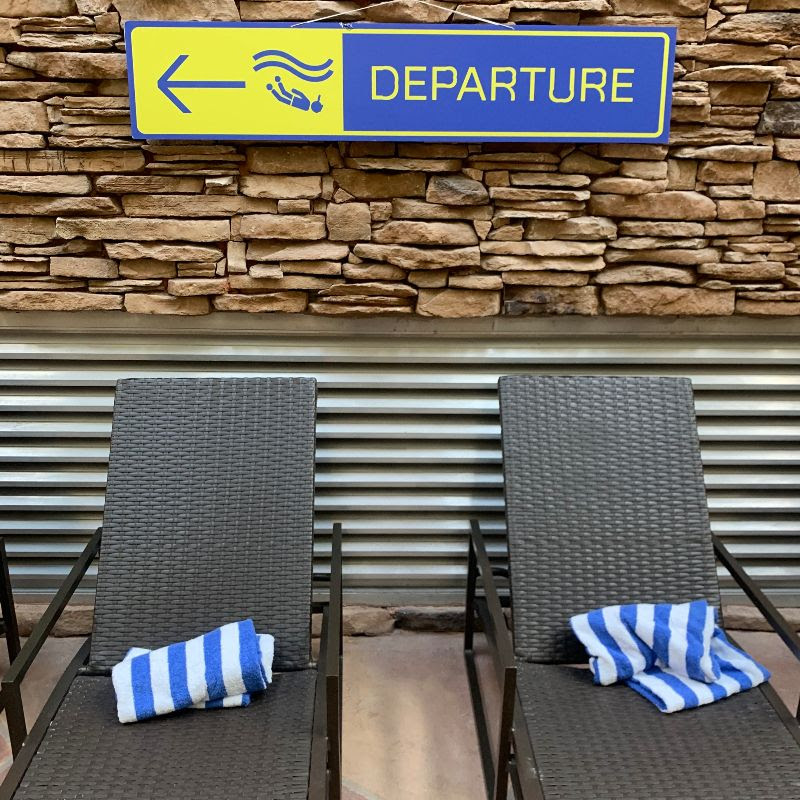
9. Friends who know me, know that I swim laps most mornings - outdoors mind you (ok, it's a heated pool) - before meetings and/or films. And this year, they helped point me to VR in a pool, which quickly made my must-do list. That's right, among the many New Frontier offerings was a VR experience where you wore waterproof VR goggles, a snorkel, hopefully a bathing suit (they bought 600 apparently, just in case you didn't have one) and were tethered to a weight so you wouldn't float into a wall and split your head open. Then you experienced a trip to outer space while approximating weightlessness while floating in the Sheraton's pool.
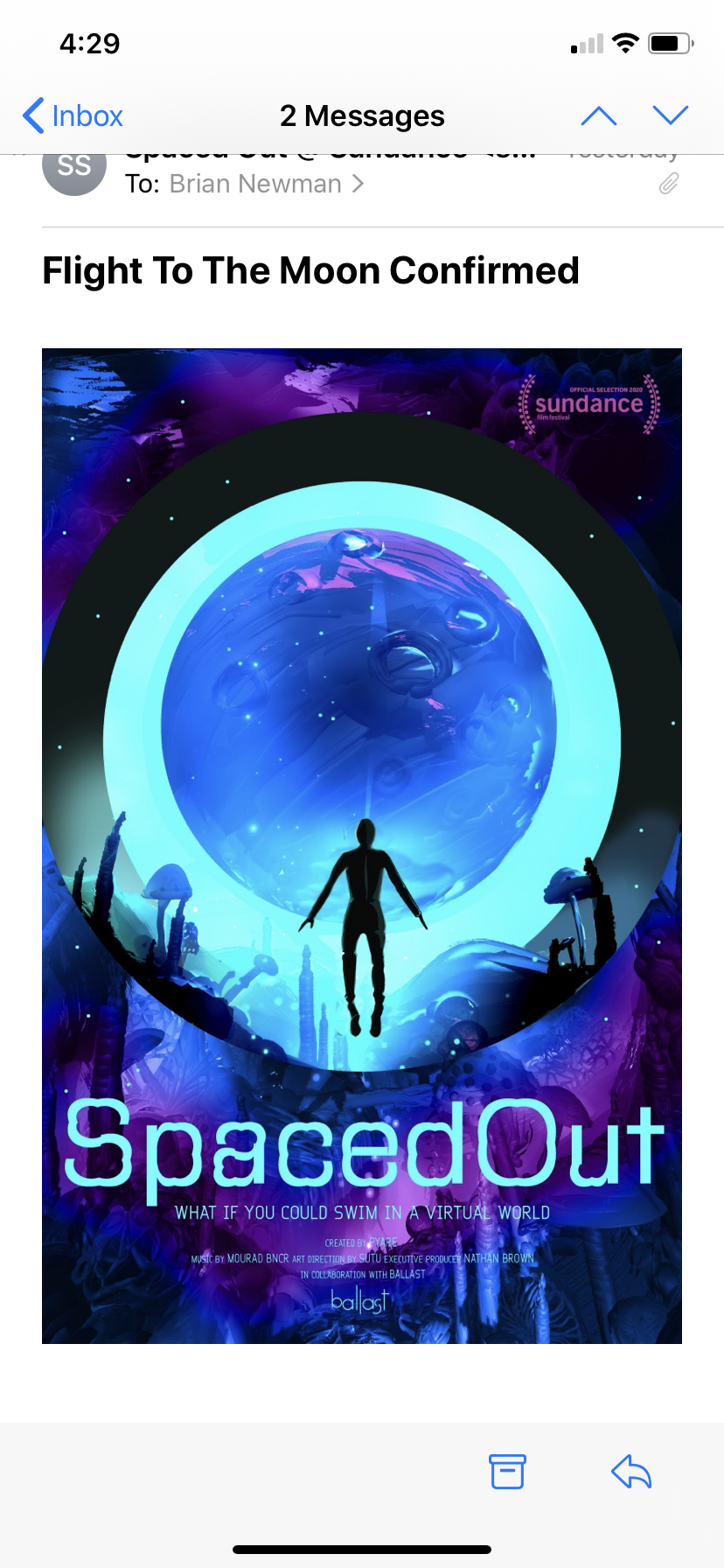
The system was built by BallastVR, who makes the set-up available for swim-parks as an (apparently) strong revenue generator, that also includes a system for viewing content while going down a water-slide, or holding onto a wall-mounted, haptic and bubble-blowing system for added effect.
The Sundance-version didn't have the water-slide or the bubbles, but it was cool. I find most VR to be decidedly less interesting than the hype, and that was the case here to some extent. I didn't think I was going to outer-space at any point, and the graphics remain pretty basic. But this was the first time, out of many experiences, where my senses and my brain got pretty scrambled - when the images rushed forward to simulate landing, I felt like I was sinking, and when we blasted off again, I felt like I was floating upwards. It was hard to stay still when you wanted to dive into a scene, or float/turn to see a different view. And if I wasn't tethered, I definitely would have gone spinning into a wall. You could just start to see the possibilities. On the other hand, given the water-park reality of their business model, it also makes you wonder if this stuff will ever rise above novelty theme park rides, or educational uses. I also continue to wonder why film fests think this is their future, and why VR practitioners don't create a better exhibition format. but that's another column.
10. I guess I should have ten take-aways to make this a proper list, right? But most of what you learn from Sundance comes in the weeks after the fest, when the dust settles and we can look back and make sense of it all. And there's technically still a few days left for a bunch of people still out there, waiting to see who wins. So I'll hold those take-aways for a future newsletter, and just say that Park City remains the place to be in January for all things film and branded content, and what it all might become.
Stuff I'm Reading
Film
Why the New York Times Is Getting Into the Documentary Films Business - the NYT was out in force at Sundance, talking up their "new" doc film business, holding parties, pitching to brands (while saying they won't work with them at the same time), and premiering some films. Odd that they are calling this a new side of the business when I helped them launch their "first" non-Op-Docs documentary film back in 2016. But glad to see them expand what they're doing. Variety reports.
‘Upstream Color’ Director Shane Carruth Says He’s Done With The Film Industry After His Next Project: And the film world groans as another auteur gives up on the business/artform. I'm a fan of everything Shane does and hate to see him go, but maybe this is just another Soderbergh semi-retirement?
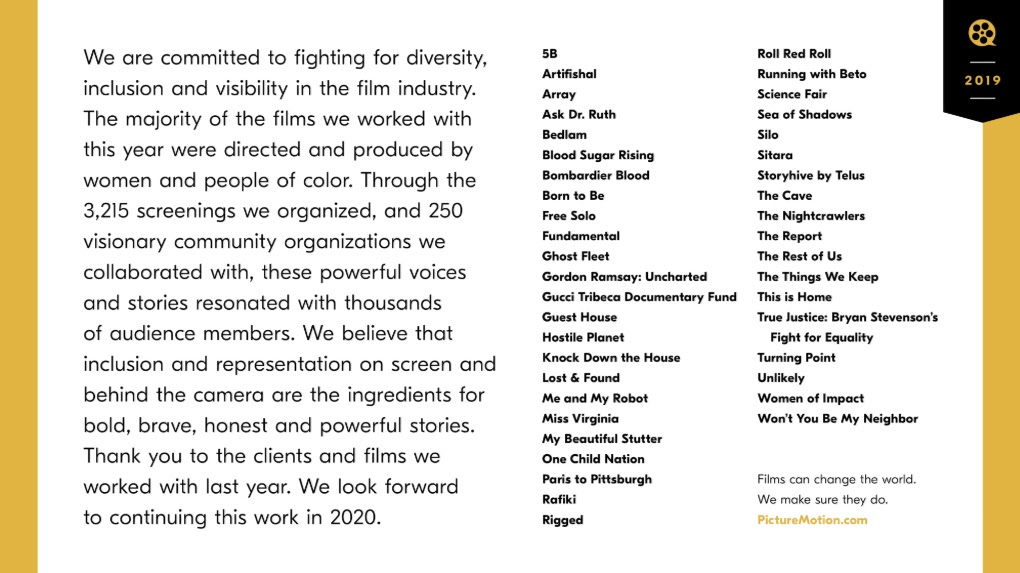
Care about Impact? Well, Media Impact Funders just published a report for media funders - Decoding Media Impact, which you can get for free on their website. And over at PictureMotion, they published their year-end Impact Report, where they cover their 40 impact campaigns - which is a good place to look for lessons learned and hints for your own projects. That's a screenshot of their report above.
Streaming
Netflix's Data Reveals are as important for what they don't say, as what they do - according to a great analysis from Entertainment Strategy Guy. The devil's in the details of their public statements, and the ESG breaks it all down.
Could Netflix or Apple buy MGM? Maybe, says SlashFilm: "Netflix and Apple have already had preliminary talks about purchasing MGM, which isn’t just a content library, but an entire studio and entertainment company. They’ve produced hit shows like The Handmaid’s Tale, and they also own the cable channel Epix. So an acquisition by any of the streaming companies out there that can afford MGM would be a hefty purchase, and the fact that this is more than a library acquisition could end up keeping Netflix from following through, since they’ve never made a purchase like that before. Apple hasn’t made a purchase like that either, with their largest deal ever being the $3 billion purchase of Beats by Dre in 2014."
Netflix will nearly double the number of French Language Originals - as Europe starts to enforce rules dictating that 30% of your spend on content must be produced in the region, Netflix is increasing its local hubs. Not to belittle regulation, but Netflix is also finding that locals like local content. That's why you're seeing more productions not just in France, but in Germany, Italy, Mexico City, Colombia, England, the Netherlands, and Spain.
Consumers are spending more time on TikTok now than Amazon Prime - according to AdAge, proving once again that folks have plenty of fun stuff to watch - not being made by Hollywood either - and don't need Quibi.
Branded Content
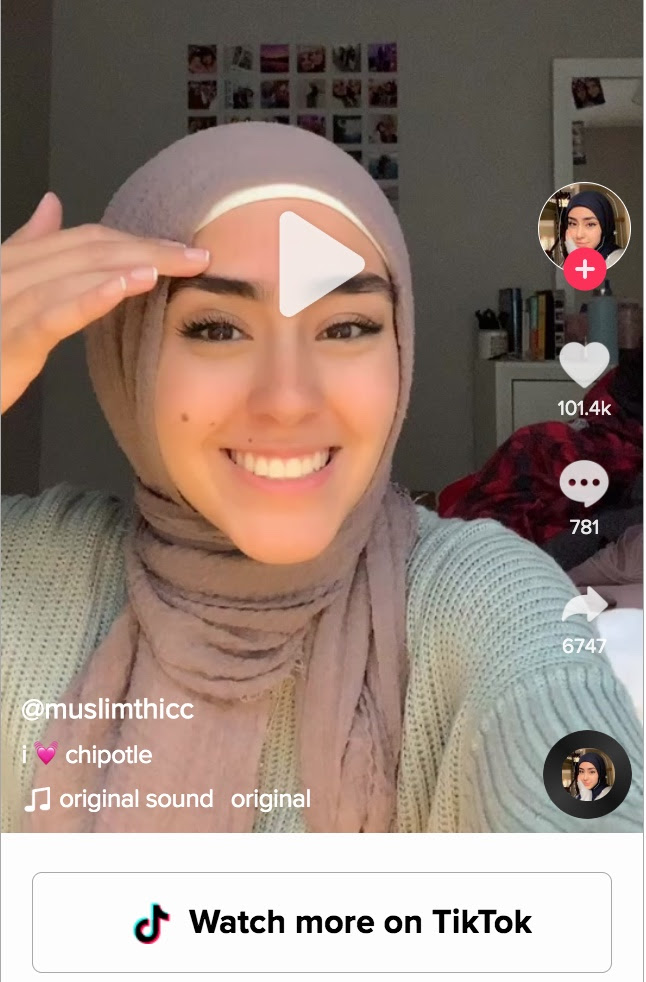
TikTok is full of Sephora and Chipotle employees spilling secrets. That can get complicated. Vox breaks-down the trend of employees becoming unofficial ambassadors on TikTok - sometimes to great success (when they create an unofficial and wildly popular TikTok drink at Starbucks) and sometimes to their chagrin (when a Panera employee discloses to 75M+ that the mac & cheese is frozen). Chipotle seems to be doing it well. Here's an example of popular creator and former Chipotle employee Zahra, username @Muslimthicc, who "gushes about how to make the perfect burrito bowl."
Gaming/VR/AR/AI/Social
What's the carbon footprint of AI, streaming, gaming, and cloud storage? Combined? Wired takes a look at part of this equation in AI Can Do Great Things, if it doesn't burn the Planet. - I've been meaning to write an article about this lately, and need to do some more research, but Wired's article points out how a recent AI experiment used as much energy as the "output of three nuclear power plants for an hour." As we move our entire lives to the cloud, and shift from theaters and DVDs to streaming, how much more power will we consume?
Wired reports: "The Department of Energy estimates that data centers account for about 2 percent of total US electricity usage. Worldwide, data centers consume about 200 terawatt hours of power per year—more than some countries. And the forecast is for significant growth over the next decade, with some predicting that by 2030, computing and communications technology will consume between 8 percent and 20 percent of the world’s electricity, with data centers accounting for a third of that."
More on this soon, but my vision for the future - AI/robots realize quickly that the carbon footprint needed to keep growing will kill humanity, and that's a small price for them to pay for more power...and that's the end of us.
Disney’s Myth: A Frozen Tale should be a case study for anyone filmmaking in VR: For Disney Animation studios, the trick is maintaining the relationship between interactivity and cinematic, "...we make cinema, we make films and we wanted to make sure it felt like that.” - Producer Nicholas Russel.
Instagrammers rejoice: A face filter for your clothes is here - There's a new AR t-shirt and app that lets you switch filters and see a different design/graphic any time you'd like. Nice future of fashion idea, that once again should be hacked, so I can replace logos in my feed with better art.
-
Curation Needed
- Posted on 10th Jan
- Category: Newsletter
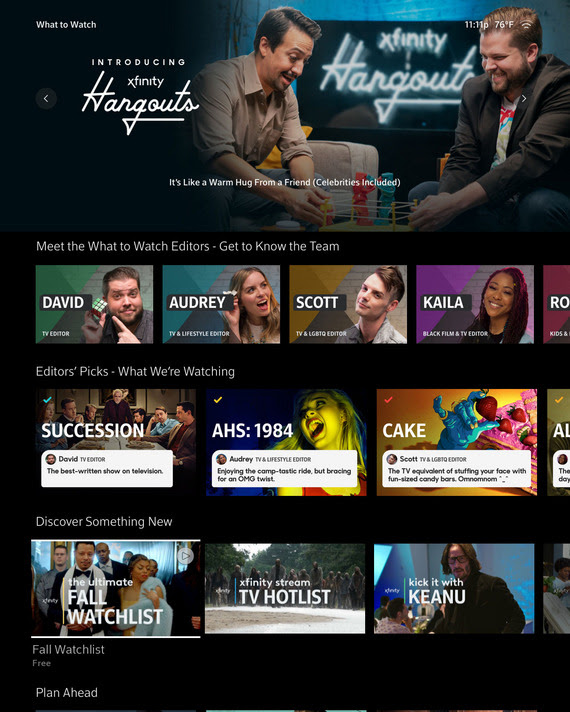
What did you watch over the Holidays/New Year? I spent the Holidays and New Year taking some time off from work, and almost completely off my phone/social media, and used the time to watch a lot of movies and read even more books. Just before I left the online world behind (save streaming), I wrote my predictions for 2020, but I left off one because I doubted it would come true. That prediction was, without editing: We may finally get some help in finding what we want to watch – We’ve reached information/content overload when it comes time to find something to watch on SVOD, AVOD or our millions of other options, including in theaters. Not only can I no longer remember what films I need to see, I can’t even remember which services host my favorite shows any longer. Way back in 2012, I started a company called Flicklist, with Ted Hope, that hoped to solve this problem (we failed, long story). We weren’t the first – Letterboxd and GoWatchIt launched in 2011 – and many similar services have launched over the years (iGems.TV and ReelGood, among the better ones). None have really been successful, or even solved all of the problems around discovery and remembrance of films – but just this month (ed: Dec, 2019), JustWatch acquired GoWatchIt, and reports are that the combined company will keep improving its services. I can’t predict whether they will finally build the universal film/show search engine we need, but I do hope that someone will finally build what we need in 2020.
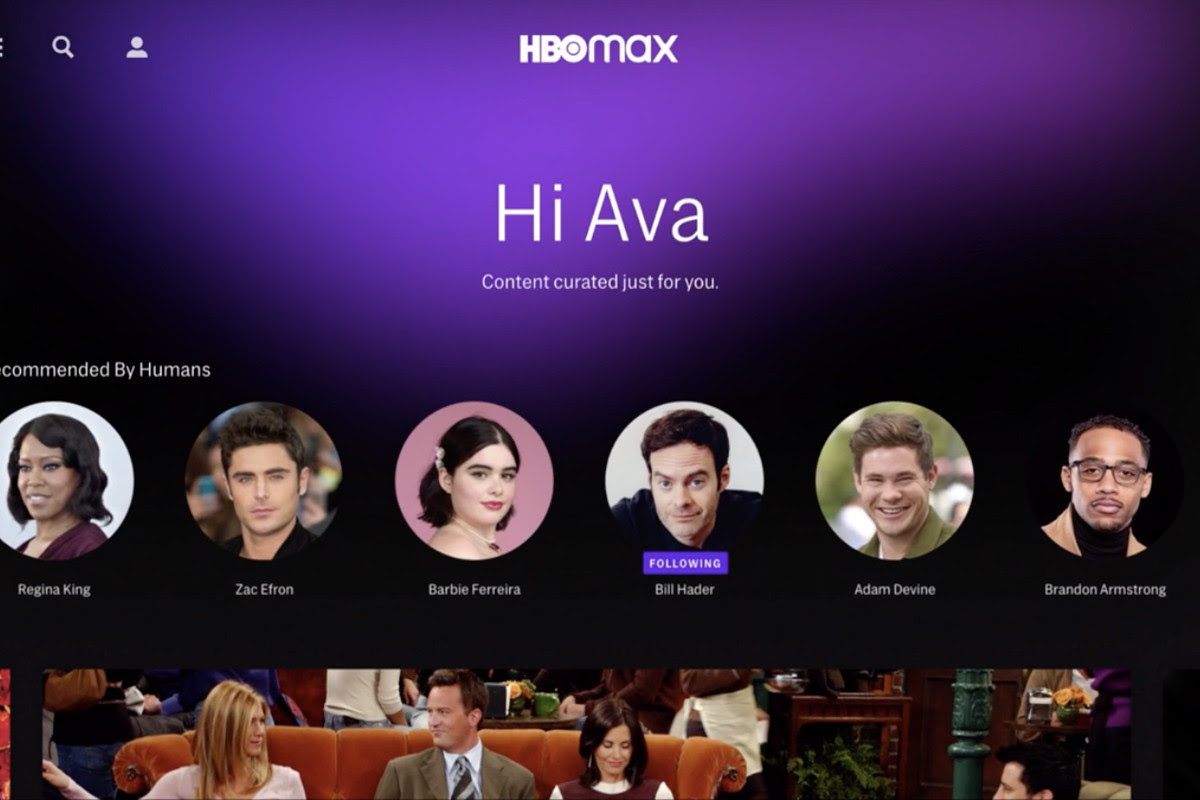
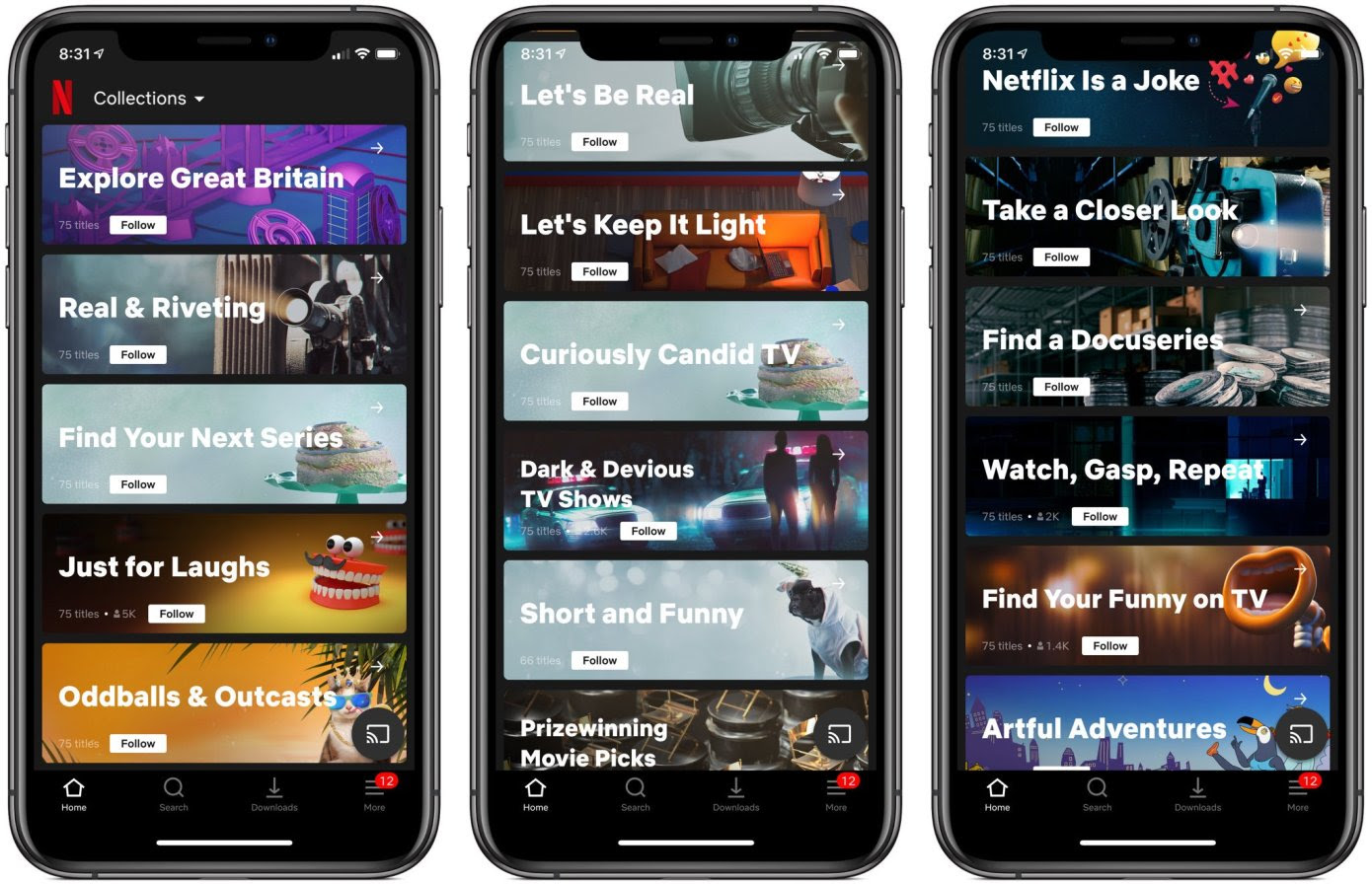
After writing that prediction, and then removing it from my final list, I read this article from Vulture, saying that The Next Streaming Trend is Human Curation. The article reports on the emerging trend of platforms using human curation instead of algorithms, including things like the new HBOMax "Recommended by Humans" interface, seen here and reported on via The Verge back in October, 2019. Or the new Netflix “Collections” beta, and the Comcast Xfinity system of using editors who recommend content, based on thematic areas like kid’s content, LGBTQ+ content, etc. I’d say kudos, it's about time, but when I look at all of these options, I can’t help but be reminded of the old Apple Ping curation system for music. That was a big fail - so much so that I could barely find anything about it online, but here you go, just in case you don't remember it. Every time a platform has tried to use human curation it has pretty much failed, and mainly because all of these systems are trying to get me to watch/listen to things based on celebrities or editors I don’t know, or people I have no reason to trust. Or worse, they try to build an algorithm based on your mood - this is the worst idea ever, and everyone keeps trying it, but it will never work (if you are sad, do you want a sad film, or a happy one?)
With Flicklist, we hoped to solve this problem by letting you follow the recommendations of people you trusted – which could be your friends, or a festival programmer, or a critic. You could even get specific, and say that you trust Joe for recommendations on Italian horror films, but that you trust Jane for American low-budget comedies – because often your friend’s tastes are specific and are only worthwhile for a few things. But like I said – that project failed. Anyway, throughout the holidays, I definitely could have used some kind of system. Sure, I had old-fashioned word-of-mouth, but I always suspect I’m forgetting the best recommendations, or the most relevant ones for right now. I wanted to know what new shows/films my friends were watching. The ones that hadn’t become trends yet. And I needed a queue that combined all of these items in one place – like I said, I can’t remember which show is where anymore. This system still doesn’t exist. My hope is that someone will build it in 2020, but until then, email me and let me know what you’d recommend. Nothing else seems to work.
Stuff I'm Reading
Film Correction/Hidden Life Disney Update – Last post, I linked a Twitter debate from Matt Zoller Seitz claiming that Fox was holding back HIDDEN LIFE from some theaters. Since that time, some in-the-know/trusted theater folks tell me the post was mistaken – one tells me “that Disney has taken a "hands-off" attitude towards Fox Searchlight, and no specialized exhibitor seems to be complaining. How is going to 100 theaters week two of the release of HIDDEN LIFE in 50 cities and playing more indies than usual by them constitute limiting its release? It will expand further in early January. And terms are fair.” Let’s hope this remains the case for future titles. Apologies for running that item without looking into it further as well.
Within days of my M&A predictions for 2020, Cohen Media Group acquired the UK's Curzon Cinemas and Artificial Eye. According to Deadline, and I expect we'll see more activity from Cohen in 2020. Although... I had expected the near opposite to happen and was watching Curzon to expand here, but we'll see more mergers soon.
Oscar-Shortlisted Syrian Filmmaker denied US Visa - Feras Fayyad, director of The Cave, which is shortlisted for the Oscar this year, and who was nominated last year for Last Men in Aleppo,can't get a visa to visit the US to promote his film for The Oscars, and the many other awards for which it is nominated. The film is a pretty searing rebuke of the inaction of not just the US, but the entire world, when it comes to Syria, so I guess we shouldn't be surprised, but WTF?! Learn more about the making of the film here, in Variety, and read the International Documentary Association's letter to Pompeo on behalf of Fayyad here, and add your name to the letter/petition as well.
Roku now makes more from streaming advertisements than TV or hardware - according to Scott Rosenberg, a senior vice president and general manager of Roku’s platform business in Cord-Cutters News. "In the long run, the total addressable market for streaming video is all TV money, period,” (OTT) streaming “lets advertisers do things that they’ve gotten used to in digital but which hasn’t been possible on TV,” such as individually targeting consumers based on user-specific data."
Women are doing better – or the same, or worse – behind the camera, according to two conflicting studies that came out this week. The NYT has the news, with ten percent of the top grossing film’s having women directors, but the rival study “found that women in key behind-the-scenes jobs were outnumbered four to one by men. That figure remained unchanged from 2018.” Either way, the numbers aren’t strong enough, and I bet they’re worse for branded content and advertising. How do Media Buyers View AVOD players? AVOD players are rising as SVOD bundles get expensive, and most distributors are reporting decent results from the AVOD world (or at least growing). But what about ad buyers? The Drum took a look, and it’s a decidedly mixed bag. Not enough transparency, especially on actual viewer numbers, and that seems to be stunting their growth.
Netflix is counting two minutes view-time in its popularity numbers – According to the LAT, the latest run-down of popular shows/movies from Netflix uses a strange metric – how many people watched at least two minutes of the program. This seems like a pretty suspect metric to me, since I stop watching shows soon after two minutes all the time – because they suck. And if you watch more than 2 minutes, I hope it’s not behind the wheel- as the streaming wars come to a car near you – ZDNet reports on Tesla adding Netflix and others to its in-car theater. You can only watch when parked, and with Wi-Fi for now, but I bet there’s a hack for that soon.
Check out this history of Star Wars and its relationship with Internet forums - or rather how Star Wars has always been at the forefront of internet forums and what it tells us about how we may be consuming culture and media in the future, Buzzfeed covers.
Branded Content
Need a reminder of the worst brand failures of the decade? Fast Company has a fun little video for you, but I think it's too focused on the recent past.
Note: Slow branded content news-week, as I have been writing an op-ed for next week's BrandStorytelling newsletter.
Miscellany
Wattpad's Year in Review shows importance of diversity and other key trends: Wattpad, the multiplatform storytelling company released its year in review stats. I think these are worthy of attention for anyone in storytelling - including film and new media - as they show significant trends and likely gaps in what audiences want out of other mediums. In particular: - immigation - stories tagged #Immigrant growing by an astounding 1175% this year. - diversity - In fantasy, reading time for stories tagged #Diversity grew by 125%, while fantasy stories tagged #africanamerican grew by 95%. In sci-fi, reading time for stories tagged #POC grew by 152%, while tags for #Diverse in the same genre grew by 269%! In horror, reading time for #Diversity tags grew by 73%, while #africanamerican grew by 113%. - an 85% increase in stories tagged #Asexual, #Poly, #Polyamorous, #Bisexual, #Demisexual, and #Pansexual - and women in Action - 64% of the top stories tagged #Streetfighter, #Action, and associated genres featured women in lead roles
Syd Mead, legendary futurist died, and you should check out his thoughts on creativity in remembrance: Syd Mead died on December 30th. Mead was a visual futurist and designer who worked magic on Blade Runner, Tron and Blade Runner 2049. A buddy of mine, Jim Hunter, made this great video tribute to his creativity back in 2010 – 2019: A Future Imagined, and I highly recommend watching it in memory of Syd Mead. How Adversarial Interoperability can break-up big-monopolies and save technology – Ok, that sounds like a mouthful, but adversarial interoperability is pretty simple – it means allowing me to make technology that works with (interoperates) with your technology, even if you don’t want me to. It means that a start-up should be able to make a technology that builds off the backbone of Facebook – even to create a new social network – even if Facebook, or Amazon, or whoever else, doesn’t want them to be able to do this. And it used to be the norm in technology and online. Restoring this ability would go a long way towards fixing many of the problems we have in technology and the future of the internet, mobile and social media. While this may seem wonky, I think it’s worth reading Cory Doctorow’s series for the Electronic Frontier Foundation on this concept, and telling everyone you know to do the same. I first read about this in Fred Wilson’s great AVC blog, and he even recommended that it be required reading for anyone regulating tech, and he’s correct. Spread the word. Oh, and his 10 predictions for the 20’s aren’t bad either. 5G is…underwhelming, according to users in South Korea, and the WSJ – Apparently, first adopters – 59% of South Koreans – aren’t finding much to do with 5G yet. Respondents say it does make for faster downloads and live streaming, but there just aren’t enough uses to keep it on all the time. Experts say the killer apps will come with self-driving cars and smart cities – years away. Keep that in mind as all of the 5G hype articles hit post-CES this year.
-
Ten Predictions for Indie/Arthouse Film
- Posted on 19th Dec
- Category: Newsletter

Last week, I ran my predictions for branded content, both here and in a guest post for Brand Storytelling. This week, I’ve got my predictions and wishes for indie/arthouse films in 2020. I say wishes, not just predictions, because as you’ll see below, some of these are clearly more about what I wish, or hope, will happen than what I predict with any certainty. Not that I hope all of my predictions come true either – in fact, I hope I am wrong about the more pessimistic predictions. I’ve been writing predictions for the film world since 2006, and while I haven’t kept a running total, I’ll admit that some of them have been dead-wrong, while more than a few have been pretty accurate, if sometimes off by a year. So I freely admit in advance that I might be wildly wrong. At any rate, here goes:
- Netflix and Amazon buy less indie/arthouse films at Sundance, and none at any other festival in 2020. The major SVODs will come into Sundance with quite a few titles premiering, but these are films they already bought. As they continue to pour money into originals and series, we’ll see a drastic reduction in acquisitions in 2020.
- This leads to a significant reduction in pick-ups from other distributors, as they can’t find a well-paying SVOD home for their films. Normally, a pull-back from the bigger buyers would leave some breathing room for the mid-tier and smaller buyers, but unfortunately, they’re having a hard time breaking through the noise at the box office, and in finding a home for these titles in the SVOD world. This will lead to a big reduction in their spending at festivals as well.
- That said, I do think we’ll see more pre-buys being announced at festivals – fests are becoming less of a market and more of a press and word-of-mouth premiere, where distributors will launch titles they already bought (For less of an advance/MG). At times, it will be hard to tell which were pre-buys and which were discoveries, but count on most being the former. While this has some negative attributes, I think it will be healthy for even the bigger festivals to become less of a market.
- We see 2-3 distributor closings or mergers as the theatrical and SVOD markets become increasingly hostile to arthouse/indie fare. I predicted this last year, and I was wrong, so maybe I’ll be wrong again. But I keep hearing rumors (from good sources) about companies being for sale, struggling to pay bills, or gently looking for buyers, and I don’t see how the arthouse world avoids the consolidation we’ve seen among the majors.
- Theatrical/Exhibitor Mergers – Regal’s owner Cineworld just bought Cineplex, becoming the largest exhibitor in North America, and I suspect we’ll see this M&A activity spread to the mid-tier, with some merger or acquisitions between the Alamo Drafthouse chain, Angelika, Bowtie, Laemmle (even though it’s supposedly not for sale anymore), or others. Or perhaps Netflix will make bigger moves in this space, going beyond long-term leases of theaters like the Paris. Or better yet, maybe someone will buy some of these theaters and merge them with some of the distributors mentioned above? I suspect some combinations here.
- This market turmoil will push film-support organizations, festivals and funders to start seriously looking into more grants and support for distribution, marketing and discovery. I’ve already caught wind of some of these conversations, and hope we see more in 2020. But this remains a “wish” as much as a prediction, because we’ve needed this for quite some time.
- The #DeColonizeDocs, #DocsSoWhite and Undocumented Filmmakers Coalition movements will spread, and influence narrative films, film festivals and branded content – finally – If you haven’t been following these dialogues, get started, now. Filmmakers, activists and their colleagues are demanding that the film community starts to pay attention to who is telling whose story, how these stories are being funded and presented, and for whom. The most recent addition to this dialogue (to my knowledge) is the Undocumented Filmmakers Coalition’s’ recent open letter to the Producers of Living Undocumented and the Broader Media Industry. I also learned a lot from Abby Sun’s recent Filmmaker Magazine piece on these issues, Self-Reflection in Theater Two, which reflects on how this debate is taking place in film festivals.While I can’t do justice to explaining these movements and their history here, I am glad this conversation is going on, and think word will spread. While the doc “industry” is in the thick of these conversations, I have found that many of my colleagues in the broader industry, as well as my filmmaking and film-going friends and most branded-content makers are completely unaware of these conversations. And the dialogue needs to expand beyond doc into narrative as well – as seen by the debate over Green Book at last year’s Oscars, we still have a need for more dialogue and action.
- Luckily, more investment will flow into indie/arthouse films, especially for documentary and diversity – The market remains strong and cash needs a place to go, which means we may see some new equity funds supporting this space. I’ve heard rumors of several new funds for social issue documentaries, and imagine we’ll see a lot of investment activity here. This is great for the filmmakers who get the cash, but I also think these investors will soon learn that it’s a small percentage of docs (1%) that make a significant ROI. That said, you know what does show good returns? Diversity on screen (and behind the camera). Macro led the way in this regard, but I expect we’ll see 2-3 more funds focused on diverse cinema in 2020. And the smart money will see good returns here, as audiences are showing their demand for more diverse stories.
- Filmmakers will find more support for narrative films – from Brands – no surprise here if you know me or my clients, and this is a repeat prediction from my brand predictions last week. We’ve seen a marked increase in brand-funding for film, but mainly in the short-form and documentary space. A few brands have been moving into long form narrative and fiction film, and I think we’ll see a few brands behind hits this coming year. This will cause others to follow their lead, and by late 2020, we may even have some buzz-worthy titles funded by brands premiering at festivals like TIFF.
- My last prediction is a wish – I wish that 5-10 mid-tier film festivals will create a shared-premiere showcase category for American narrative films not accepted into Sundance that might assist in elevating deserving films to distributor’s and critic’s attention. This is a big one, probably worthy of its own article. But it’s been a topic of conversation with many festival programmers (off the record), producers and filmmakers I know lately. As Scott Macauley mentions in his excellent Filmmaker Magazine article about not getting into Sundance (linked last week): “The very real issue of not getting into one festival, Sundance, is ultimately a proxy for the larger existential issue facing independent film in general: the absence of a viable, self-sustaining marketplace for finished films.” As the same article mentions, the San Francisco Film Fest attempted to form a market/showcase via their Launch program, which led to many of the film’s receiving distribution. But we need something bigger and more coordinated. I wonder – this could be wrong – whether a showcase of great projects, curated by some top festival programmers and with a guaranteed multi-city tour/platform – could entice some buyers to take a risk, or create enough buzz with press to help a DIY distribution scheme? It’s worth trying or debating until something better could be created. I hope some smart minds can come up with some solution if not this one, because we need some other options.
Stuff I'm Reading
Film PBS and POV can now be streamed on YouTube TV - according to FastCompany - or in the PBS press release here, you can now watch POV, PBS Kids and more than 100 member stations on YouTube TV, which is part of their $5 subscription. T'ain't free, but if you don't have good over-the-air access, or have cut the cord, there's now another option for you.
Exclusive Star Wars footage will launch within Fortnite, in the lead-up to this week's release - according to Mobile Marketer, "Disney aims to reach an audience of teenagers and young adults who likely land in the movie's core target demographic. Those age groups are notoriously difficult to target through other advertising on traditional media channels, but "Fortnite" is played by 40% of children ages 10 through 17 every week... and teenage fans spend about 25% of their free time playing the game."
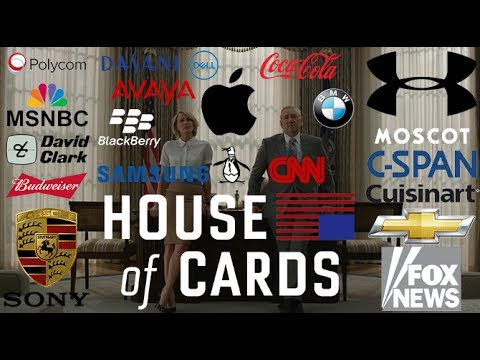
Netflix may not have ads, but it has plenty of branding - In case you missed this well-shared article - The NYT looks at the prevalence of product placement and brand marketing partnerships at Netflix, which is decidedly not in a hurry to replicate the ad model being used by competitors such as Hulu. Even if people keep saying they'll add advertising soon (they won't). Me: Netflix should not consider ads, as it ruins their value proposition. But they are decidedly less than forward-thinking when it comes to their brand partnerships. As the article mentions, many subscribers are turned-off by the heavy product placement - which to me can be worse than ads - and many brands are turned off by the work involved in making deals. What makes this frustrating is how easy it would be to get this right - Netflix could make money from smart brand partnerships (and it needs another revenue stream, badly), while extending content awareness via smarter marketing partnerships.
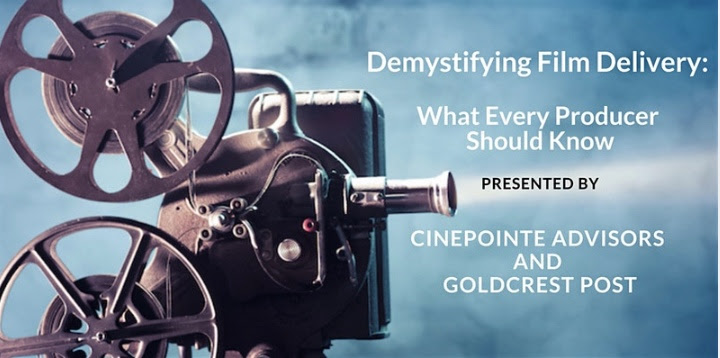
Demystifying Film Delivery - a workshop at Goldcrest post - if you are in NYC or can get here, and think you'll ever sell your film to a distributor/broadcaster/platform - consider taking this class. Because you will get a 46 page list of deliverables and it's one of the worst experiences you can go through as a filmmaker - aside from dealing with agents. Coming up Feb 5th and space is limited, so register now.
Check out this Twitter thread from critic @mattzollerseitz (Roger Ebert, NYMag, Vulture, etc.) on why these mega mergers ultimately hurt consumers and how art cinema is one of its casualties:
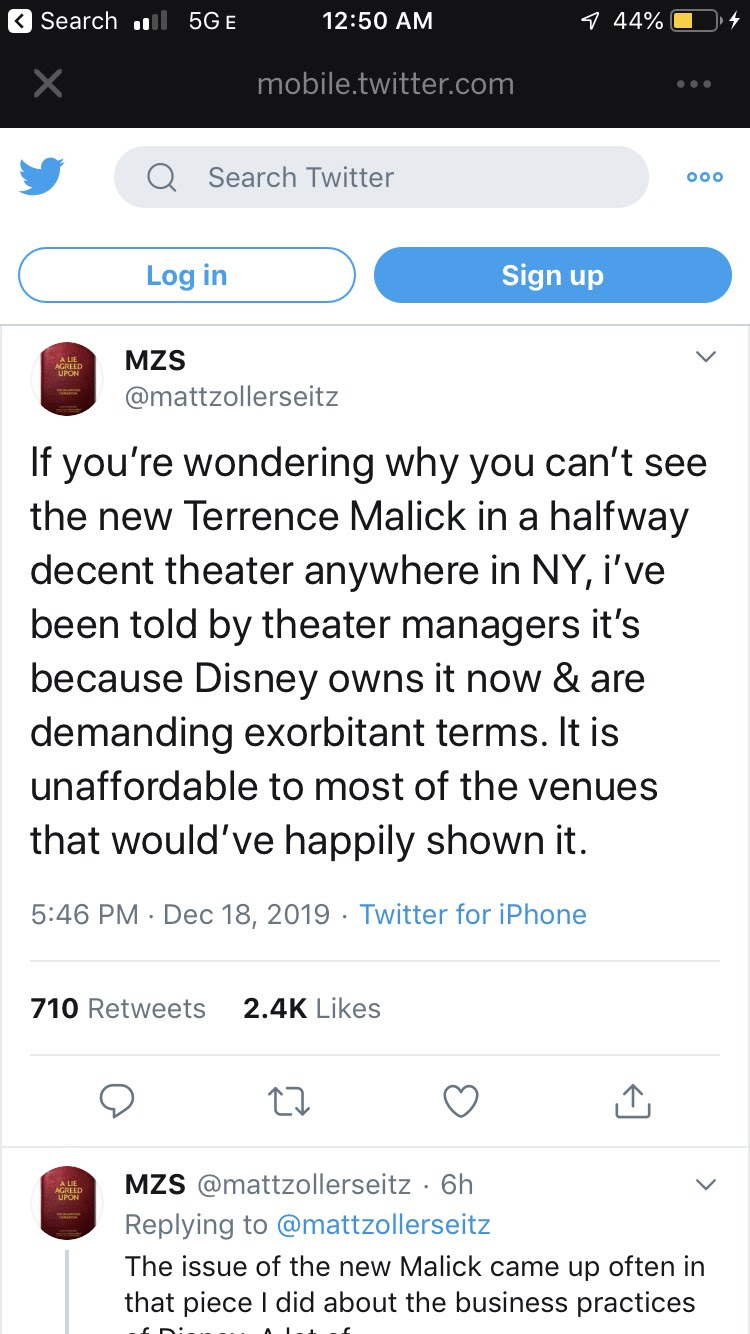
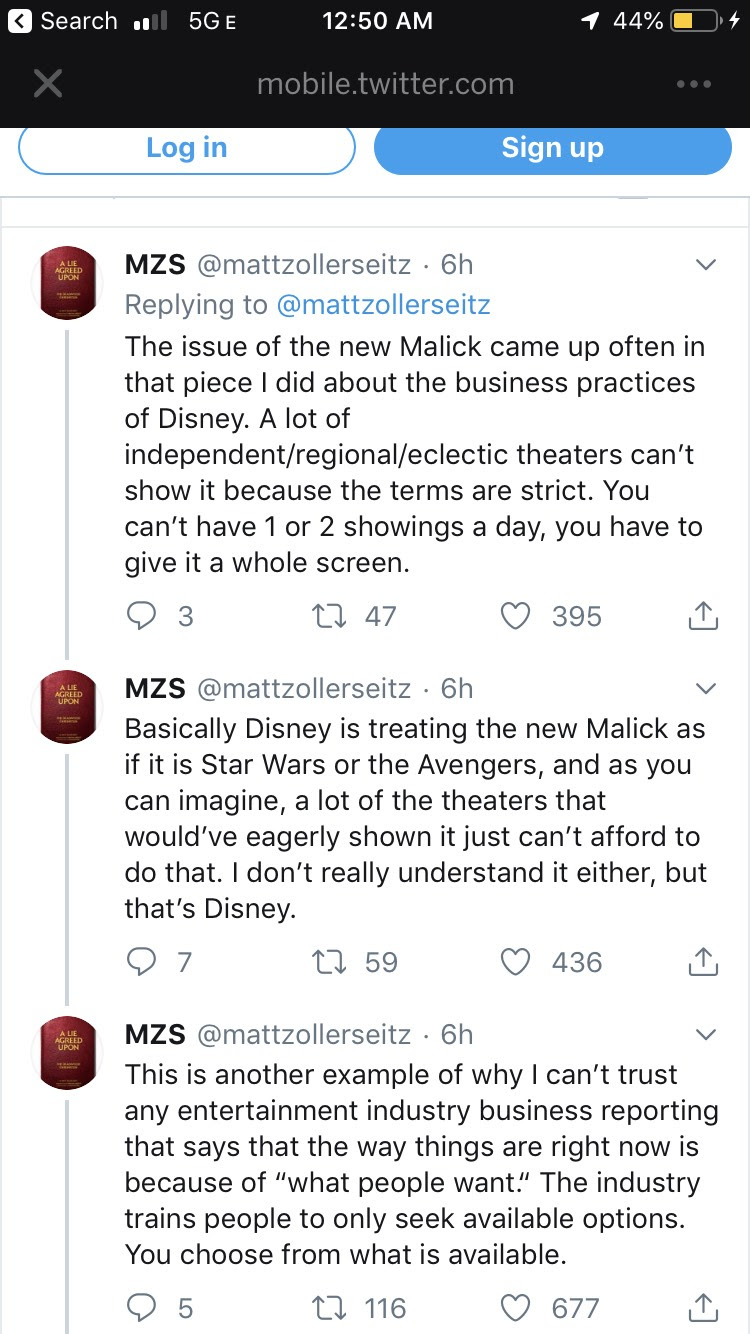
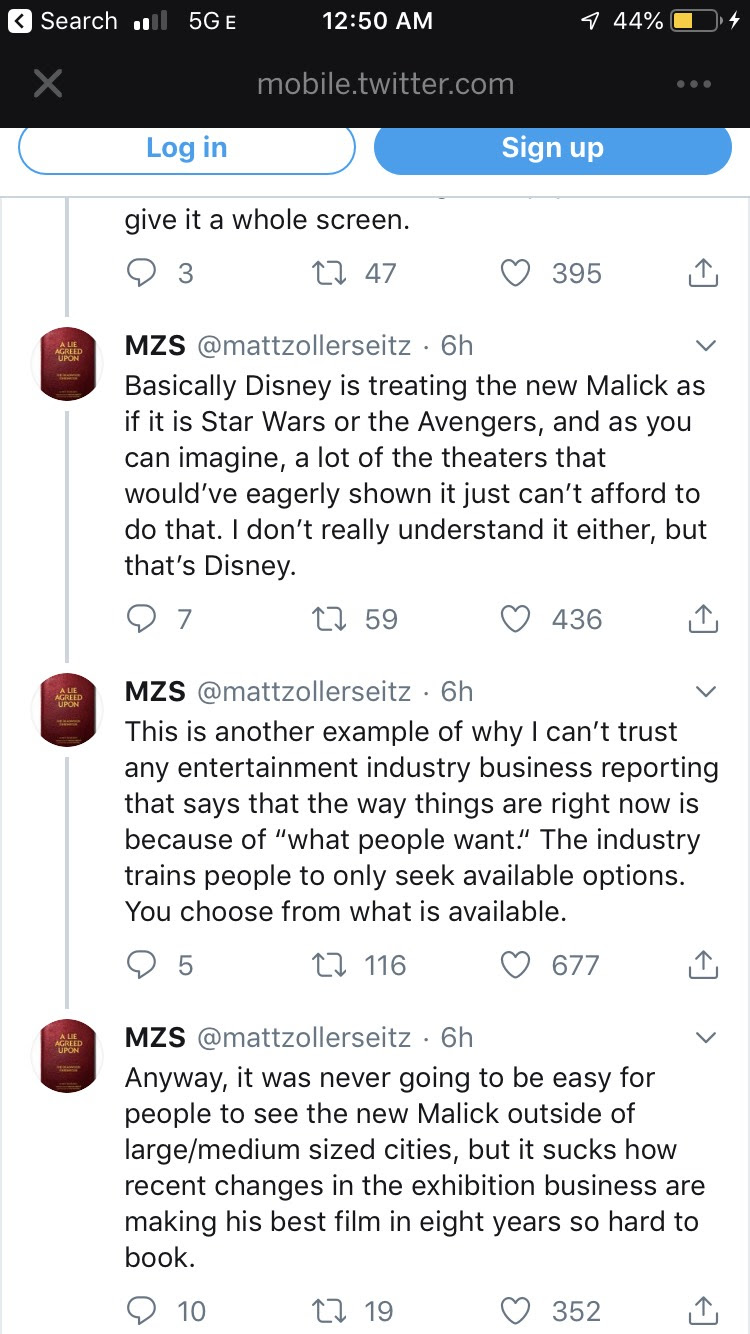
VR BigScreen has added Paramount to its VR viewing options - according to Endgadget - joining Netflix, Twitch and others in the virtual world, and lobby, via Oculus Quest, starting this week.
Branded Content
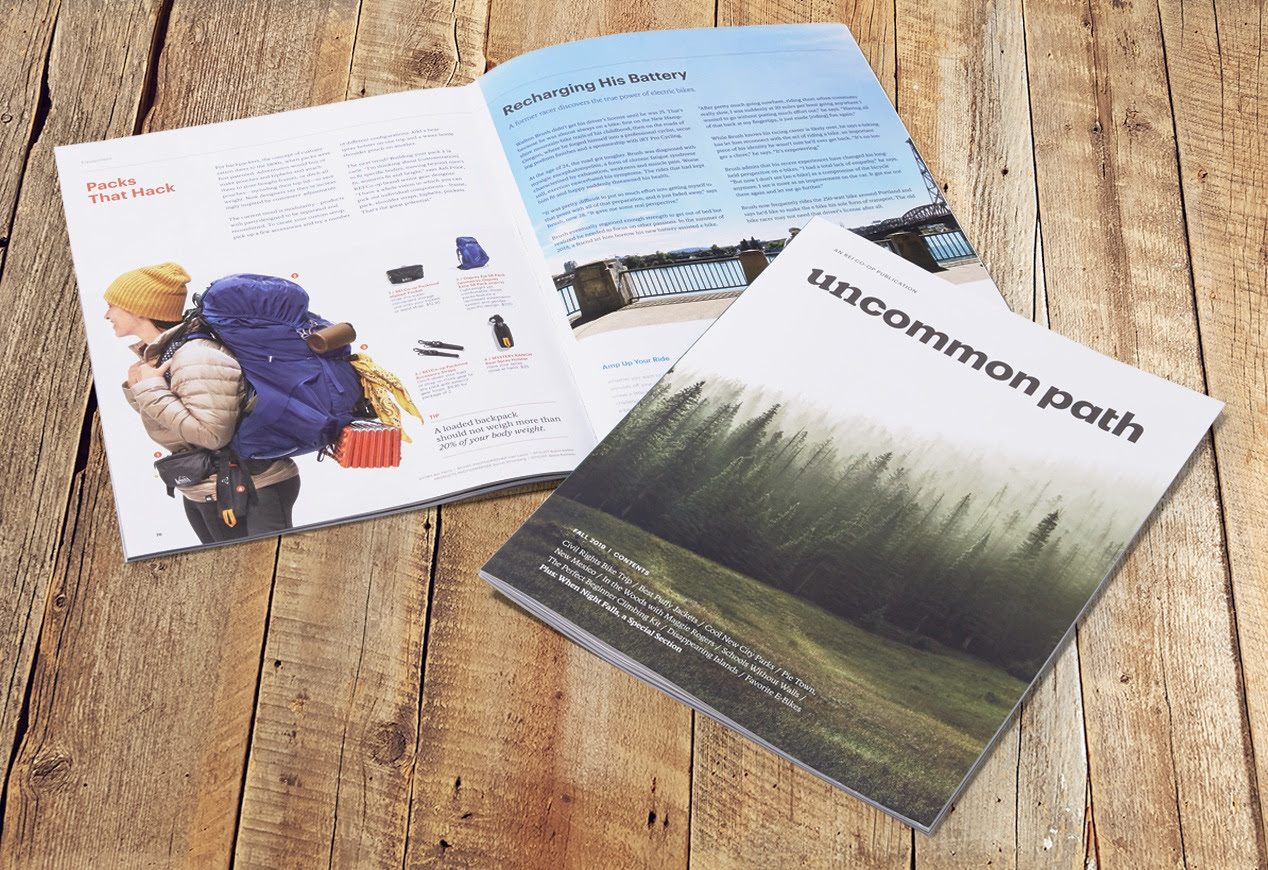
Wy did REI Ditch its Catalog for a Magazine? Poynter has the scoop. Great info here on this micro-trend of brand's publishing magazines, the reasoning behind it, what it means for print journalism and more (disclosure, REI is a client, but I don't work on this project).
Hulu Rewards Binge Watching with a new ad format - according to The Drum, "When a viewer is about to start their third consecutive episode of a show, a branded message will appear that will "reward" their binging behavior, said Jeremy Helfand, vice-president, head of ad platforms at Hulu. The ad experience presents viewers with either their next episode commercial-free or a personalized offer from a brand. Kellogg’s, Maker’s Mark and Georgia-Pacific are initial launch partners with Hulu and agency Publicis Media." Me: I'd take the ad-free offer, for sure.
Cosmo Launches "You" Watch Parties with Google: Digiday has the scoop on a new tool Cosmo is launching with Google that allows viewers to interact around content. For now. it's a test limited to Cosmo and You on Netflix. "On Dec. 26, the premier of the second season of the Netflix series “You,” Cosmo will direct mobile readers to a new mobile web page called Cosmopolitan Watch Party, where visitors will get a stream of show facts, interactive quizzes and written interviews with the cast and crew at key points, delivered in time with the plot of the show. Viewers have to push play on Netflix and the Watch Party at the same time to get the two to sync up." Me: I like the participatory nature of the experiment, and think we'll see more of this. But on the negative side - which the article very smartly addresses - this also leads to a lot of potential influence from Google (and other platforms) on the editorial content of their partners. As Nushin Rashidian, the Tow Center for Journalism’s lead research fellow on platforms and publishers says in the article: " (such platforms) tell publishers what content is performing well...and then publishers tend to want to replicate that success through covering similar topics. “Absolutely Google will have an influence in what Cosmo is producing,” Rashidian said."
How to Make Sure Your Branded Content is Actually on Brand - Business 2 Community breaks down several factors to keep in mind when creating branded content, namely: 1. Choosing the Right Subjects 2. Using your Voice, Tone, and Vision 3. Clarifying your Vision 4. Designing According to your Visual Identifier
Miscellany
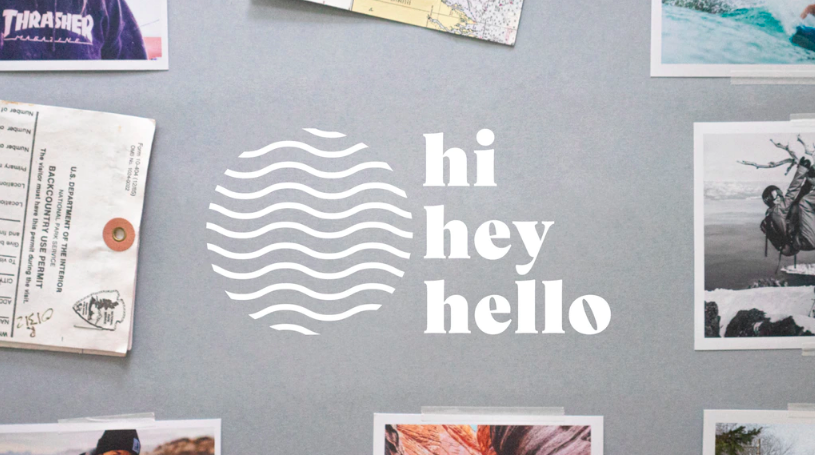
In the new magazine department - HiHeyHello is a much needed new magazine for women, outdoors. Or as the founders put it: "At the intersection of adventure, sport, and creativity; we share stories of the women who are redefining what it means to belong outdoors. We celebrate the makers and the shakers, the activists and the organizers, the elite athletes to the first-timers. We adventure on our own terms. We have fresh ideas and we give a sh*t. Let’s rally together to celebrate the ridges and the valleys, the chapped lips along with the glory, the bruises and the stars in the sky. HiHeyHello is a community for women adventurers." I met co-founder Sierra Domaille when I was doing some work with Keen Footwear, and I know she'll make this a great new endeavor. Sign up/subscribe here. Donate to their Kickstarter here.
News Podcasts and the Opportunities for Publishers - A new study on podcasting asks the question on whether we've reached the total breadth of innovation and can podcasting become a mass market.
-
Ten Predictions (Hopes) for Branded Content in 2020
- Posted on 19th Dec
- Category: Newsletter

I’ve been writing top-ten prediction lists for film and media since 2006 – yes, back when my predictions included the final end of VHS (!) and what Google buying Youtube (Oct. 2006) would mean for indies. Last year’s predictions included Netflix buying a theater (pretty much), more brand studios (yes, again), and that Amazon would buy MoviePass and merge it with Prime (nope). Ok, sometimes I strike out, but my list is as much a wish-list as a prediction, so without further ado, here’s my inaugural Top Ten Predictions (and Hopes) for Branded Content in 2020. This full article is running on the BrandStorytelling Newsletter as a Guest Post - read the full post there. Here's prediction number one:
1. More brand docs will qualify for the Oscars in 2020, and one will make the short list –
Stuff I'm Reading
Film Didn't get into Sundance? Filmmaker Magazine's Scott Macaulay has an OpEd for that, and he's updated it a bit, and it has lots of good advice for surviving the let-down and what to do next.

The Best Undistributed Films of 2019 - Including the Grand Prix winner of SXSW 2019. Indiewire reports on the other issue in indie film - even getting into a festival and winning is still not a guarantee of distribution. Some great films here (and some meh, but hey...).
Netflix's speed-watching trial joins a long history of content cramming, but may be bad for artists and viewers - Speed reading for the new decade. Here's a quote from Woody Allen, “I was able to go through ‘War and Peace’ in 20 minutes. It’s about Russia.” Once again, artists are up in arms, but let's face it -people will watch things how they want to watch them. Heck, I remember speed watching two Kurosawa films at the same time on an old fashioned VHS edit system back in film school when I was on a time crunch for an exam.
More than Half of 2020’s Sundance Dramatic Competition Films Directed by People of Color - Change is happening (slowly). Maybe the Golden Globes could follow suit and nominate some women directors??
Watching The Irishman on Netflix Is the Best Way to See It - No less a critic than Richard Brody chimes in to defend watching The Irishman on Netflix - he liked it better than in the theater. Good article in defense of home viewing (but not opposed to theatrical).

Doc Orgs Sue the US Gov't over Visa Rules that hurt filmmakers - The Doc Society (Good Pitch) and International Documentary Association are doing some heavy lifting, along with help from some Academic centers - and suing the US Government over Visa rules that are hindering and potentially endangering visiting filmmakers. The short of it is - the State Dept and DHS are requiring filmmakers to give access to their social media accounts - over 20 of them, potentially - to visit the US. This is bad for privacy, but could be bad for some people's lives - these are doc filmmakers who take great risks daily, and many of their home governments aren't exactly friendly t critique. Read IDA's Simon Kilmurry's Op-Ed in the LAT explaining this in full. As he says: "So where does that leave our filmmakers? Either they stifle their speech online or they choose not to come to the U.S. to share their work. Either choice deprives American audiences the opportunity to hear new ideas and engage with original contributions to artistic and political discourse." And if you need to still make a year-end gift...IDA is a nonprofit that needs/accepts donations.
Branded Content PYPO Tries Twist on Branded Content With Frederick’s of Hollywood - Smart marketing from a lingerie brand to create content that puts female creators front and center.

That $120,000 banana taped to a wall shows the limitations of zeitgeist-y advertising - further showing how fickle the zeitgeist wave can be for your brand (You either come off as clever and 'with it, or lame and behind). However, brands attempting to capitalize off the popularity of the art piece might be the entire point and intention of its creator, as the New York Times outlines.
-
Some Facts from the Streaming Wars
- Posted on 6th Dec
- Category: Newsletter

Via StreamingObserver A few tidbits from the streaming wars, just this week:
- It is now estimated that the major streamers - Netflix, Apple+, Disney+, Hulu, Amazon Prime, HBO Max - will spend more than $30 Billion on content in 2020. This doesn't even include Peacock, CBS All Access or the numerous other platforms.
- And in the fight for eyeballs to watch that content, they're pouring billions into advertising, making up for the decline in advertising from other sectors (see below);
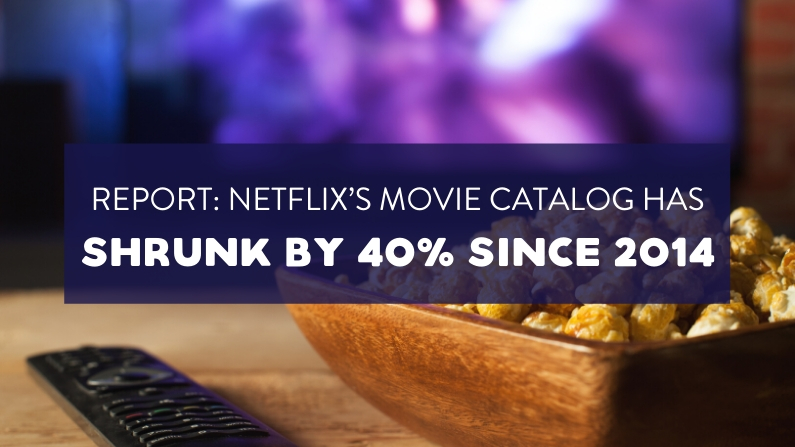
- But less of that money is going into films, as more of it goes into episodic (tv) shows, originals and licensing of major library titles. Netflix's film library has now dropped 40% since 2014, according to StreamingObserver. in 2014, Netflix had around 6,500 movies, and now it's got 3,849.
- Yet even with that drop, Netflix dominated the "indie" Gotham Awards - winning more than half the awards given this week.
- One could lament this fact, but let's face it - one of those awards was for When They See Us, by Ava DuVernay (who was also honored), and while Netflix and other SVODs may be lessening their support for indie film overall, they are leading the way with diversity. This is no small matter.
- And let's face it - Netflix is also a data company. If there was a compelling case for investing in buying more films - especially indie/arthouse films - they would be doing it. The data is showing them that too few people watch these films. The StreamingObserver article above makes it seem like film is losing out due to original content spend, but it's losing out because that's what people want.
- Meanwhile, 3853 feature films were submitted to Sundance this year. Yes, that's 4 more than Netflix offers. Let that sink in for awhile.
Stuff I'm Reading
Film

What is a documentary anymore? asks Dan Schindel in Hyperallergic - when you can arguably find great examples within video games, VR, video essays and even art exhibits. He gives this Sight & Sound link to many "best of" examples, and I went down a couple-day rabbit hole on Youtube and Vimeo catching up on the form. Great stuff. Dan's looking for great examples too, so check out the article if you are interested in and want to explore/debate the changing nature of this form.
The Sundance 2020 Feature Line-up has been announced - Some great looking projects have been accepted. This year, they accepted 118 features from 15,100 submissions. 3853 of those were features (the rest, shorts), and for perspective, 1698 of those were US features. Of the 118 feature slots, just 65 were open in theory to US narratives (open, not all of these were programmed that way). I can't really run percentages/acceptance rates without knowing how many of the features submitted were narratives vs. docs, etc. But the odds were against you. Kudos to those who made it, and kudos for Sundance on good diversity numbers (broken down in the link).
Matt Stoller explains exactly why the DOJ scrapping the Paramount Consent Decrees is a bad idea - because we still have monopolies in the film business, it will hurt smaller chains and indies, and makes no sense. Or as he says, "At any rate, I’m sort of glad Delrahim has done something so stupid and obvious. The exhibition business is already very concentrated. Imperial Disney is doing what it’s doing, and streaming is basically designed under the current public policy framework to become a fight among monopolists over market power. It’s time to have a real conversation about vertical integration in the big media industry. Much as China’s clumsy censorship of the NBA’s Houston Rockets executive made the stakes of our China policy obvious to policymakers, the proposed end of the Paramount Consent Decrees could spark a more open debate among artists in Hollywood about whether they want to have a creative industry anymore, and how political they are willing to get if they decide they actually do."
Martin Scorsese on The Irishman: 'Please, please don’t look at it on a phone' - Scorsese, like most auteurs and cinephiles, cringes at the notion you might watch his film on a smaller screen. I agree, but it's a lost cause, as evidenced by the shots of people watching it on their watches in the article. Or worse:

Streaming
How To Build A Great Video Streaming App - Oh, if it was only this easy. But it's a good primer on the terms, and the basics of how streaming apps work
How Home Entertainment Companies Are Navigating the Streaming Apocalypse - DVD, especially 4K UHD DVD, isn't dead, in fact sales grew last year. But it's a tough business. Cinephiles will spend for higher quality, but will anyone else?
US lagging on mobile video streaming due to spectrum crunch - The US is falling far behind on the video experience, because we allow monopolies to control our broadband internet and mobile, and they still suck. Ditch those channel subscriptions, but you are still stuck with the same evil assholes for your internet streaming speeds.
Branded Content
Everyone's moving to branded content because advertising doesn't work, especially in an SVOD world...except for the actual SVOD players, who are spending billions on ads, reports the WSJ. Analysts estimate SVOD platforms will spend multiple billions on advertising, helping to fill a gap where others slow down. Pretty soon, perhaps we'll just have SVOD and ads for SVOD, and nothing else? Or will SVOD have to start doing product placement in their own shows? Crazy times ahead!
The most disturbing horror film of the season is Peloton's new commercial - A must watch, and as creepy as the headline and the comments. And it even impacted their stock, which dropped 9% in one day after the ad dropped. And they say advertising doesn't work...

ET go home: why Spielberg’s alien shouldn’t be flogging wifi - Spielberg Sells Out ET for a commercial -and a shitty one at that. WTF? Have you no decency, sir?
VR/AI/Gaming A Go Master (the best) has quit because he can't beat AI - A South Korean Go Master quit because AI is that much better. And I've recently seen a film (coming out soon) about an AI that can beat humans at debate!
Then again, there's a lot of AI snake-oil, and this slide deck (PDF) shows you how to recognize it. (HT to Unsupervised Learning for both of these links)
Reports Say Amazon Will Enter Game Streaming: Should Competitors Be Worried? - No surprise here, but Amazon is about to control game streaming as well as everything else we do.
Social Media
Mass media vs. social media - A good corrective to the narrative that social media handed Trump the presidency, when mass media was doing its own (crap) job at covering the news correctly. Which had more impact? Definitely the regular news.
Miscellany
TikTok has 1.5 billion downloads, and is beating Facebook and Instagram. It is 3rd in downloads only to WhatsApp and Messenger. I still bump into film people and marketers who don't even know what TikTok is, in spite of the press and popularity. Yes, it's a young person's (and mom's) medium, but it's one to know well.
-
Surviving Sundance Notification Time
- Posted on 27th Nov
- Category: Newsletter

Short newsletter this week due to the US Holiday. It's that time of year again – when filmmakers and their colleagues pretend to enjoy Turkey over Thanksgiving while waiting for the notification from Sundance on whether they are accepted or rejected. Literally every film person I know is waiting to hear. Some heard already - mainly no's but a few yes's, but most people tend to hear over Thanksgiving weekend if they were accepted, and just after if not.
This year, I am somehow attached to about ten projects stuck in this limbo - from a mix of clients to personal projects, both indie films and branded content, and let me tell you - the wait sucks. There's no getting around it. Even filmmakers who won't truly have a good cut until February, 2020 (after Sundance) or later usually submitted anyway just in case (I don't like this strategy, but it's common). And while they've called everyone they know and tried to position their films with sales agents or whoever, it basically comes down to the taste of a small group of programmers, and you don't have much control over that process.
So once again, for all of you waiting – try to relax, and don't worry if you don't get in. Remember, there are other festivals. The programers make mistakes...a lot of them. Nearly every year, I know of at least ten films that didn't get in that are better than ten other films I see at the festival. But even when they are "right" in rejecting your film, there are other paths to an audience, and sometimes those other festivals and strategies can be better for your particular film. You can't worry too much about something so out of your control.
That said - this system sucks. We need a better one. Last year, over 14,000 films submitted for about 120 feature slots and maybe another 60 short slots. That number will surely go up this year. And that's just for Sundance, not all the other festivals (estimates are as high as 60,000 unique titles submit to festivals via Film Freeway and similar services annually). We all know this system doesn't work, but we keep on doing it. Of course, I don't have a solution either, so here we are, pretending to use a system that doesn't work well, to determine what gets seen. I say pretending, because a large number of the accepted slots are not programmed out of the general entries, even at Sundance.
But yet - it's the best system we have now, if you think of it as just a sampling of what films are on offer for 2020. Sundance does a better job than most at curating a decent selection of what's coming out, and that's why we all follow it and copy it, and obsess over it. So, for those of you who do get the good news this weekend - kudos! I can't wait to see your films in Park City, and hope at least one of the projects I know about gets in too!
Stuff I'm Reading Film 4 ways the consent decree decision could impact the movies - Polygon takes a look at four plausible scenarios. Bottom line - this decision could limit choice, stifle indie voices and enrich monopolies. Most of the summaries of the impact of this decision have focused on the majors, but its the rest of us that will be impacted. One would think there's a service org to fight this? Is AFM A Waste of Time and Money? - Evan Littman gives the low down on how AFM works and how it doesn’t. Short version: don’t go unless you already know the people you want to meet. Can a movie bring about major corporate change? - The Guardian looks at whether Dark Waters might help or hurt Dupont, and the verdict is mixed at best. Their stock price has already been hit, but then again, Wall Street analysts feel it will get the problems out of the way. Can any film make a difference? Yes, and they give a few good examples. 
What does the first official Netflix cinema mean for Hollywood? - Netflix saved the Paris Theater - what does that mean for Hollywood, asks the Guardian? Well, they have a home for The Irishman after it finishes at the Belasco. Wow, the possibility of streaming sure is killing those ticket sales (not). I'm glad Netflix is renting its way to the Oscars, because they are saving some awesome theaters along the way.
Streaming Netflix, Apple+, Disney+ and Amazon Prime - winners - all the others - Quibi, Hulu, HBO, Peacock, etc. losers - that's the word from Scott Galloway, not me, but I agree (though for different reasons at times). While quite a d-ck, Galloway is one of the smartest folks out there on business and marketing. I agree with most of what he says, but think Netflix will stumble more than he thinks along the way. It's content is merely an afterthought for me these days. But regardless, this is worth reading, as is his newsletter - if you aren't already a subscriber, you should be. HBO Max wants to be the next cable bundle - as opposed to HBO. Says John Stankey in a Recode interview: they are unbundling to rebundle. “At some point there will be platforms that re-aggregate and rebuild. ... We’d like [HBO Max] ultimately to be a place where re-aggregation occurs,” The Mandalorian has already dethroned Stranger Things for most streams - according to Business Insider and Parrot analytics. And the numbers are pretty stellar: ""The Mandalorian" had over 100 million demand expressions during the week of November 17 to November 23, according to Parrot Analytics, while "Stranger Things" had 81 million." Branded Content Native Advertising has a trust issue, but the problem isn’t the format - So, here’s the big question. "How can we use Native advertising to its full advantage, without being seen to deceive the very people we’re trying to sell to?" The writer thinks yes, if you are transparent, focus on the audience and have a good strategy. Me, I'm not so sure. I always hate stumbling into native content, and would always prefer a partnership that shows me good content, not just a longer ad, disguised as content. VR/AR/Gaming  Vader Immortal is what a ‘theme park film’ actually looks like, and it’s great - If were looking for something just for fun
"Vader Immortal uses its limited interactivity to build a compelling illusion of physically engaging with Star Wars’ fantasy world. And ultimately, that’s the point of a theme park — not just the spectacle and the inevitability, but the sense that you’re actually in the middle of it all."
Social Media
How removing ‘likes’ from Instagram could affect our mental health - "But, Instagram is making this change, even if it hurts business." CEO Adam Mosseri, explained recently at the Wired25 Summit that anxiety and social pressures that come from the app “are becoming more acute, particularly with young people, particularly in a mobile-first world. The idea is to depressurize Instagram,” Instagram’s Mosseri said. “We’re trying to reduce anxiety, we’re trying to reduce social comparisons.”
Miscellany
What does the future hold for LGBT+ media? -While the present may be looking bleak with certain publications being shut down, LGBT+ will be on the uprise with new Revenue Streams and Brand Partnerships. Expect the latter to be key... kinda like all media.
HAPPY THANKSGIVING!
Vader Immortal is what a ‘theme park film’ actually looks like, and it’s great - If were looking for something just for fun
"Vader Immortal uses its limited interactivity to build a compelling illusion of physically engaging with Star Wars’ fantasy world. And ultimately, that’s the point of a theme park — not just the spectacle and the inevitability, but the sense that you’re actually in the middle of it all."
Social Media
How removing ‘likes’ from Instagram could affect our mental health - "But, Instagram is making this change, even if it hurts business." CEO Adam Mosseri, explained recently at the Wired25 Summit that anxiety and social pressures that come from the app “are becoming more acute, particularly with young people, particularly in a mobile-first world. The idea is to depressurize Instagram,” Instagram’s Mosseri said. “We’re trying to reduce anxiety, we’re trying to reduce social comparisons.”
Miscellany
What does the future hold for LGBT+ media? -While the present may be looking bleak with certain publications being shut down, LGBT+ will be on the uprise with new Revenue Streams and Brand Partnerships. Expect the latter to be key... kinda like all media.
HAPPY THANKSGIVING! -
It's time for Branded Content to Break the Rules
- Posted on 21st Nov
- Category: Newsletter

I wrote another guest post this week for BrandStorytelling - check out the full article there, but here's a teaser:
As more brands move into long form branded content – meaning feature length documentary or narrative films around 90 minutes – brands increasingly have the same plan - to premiere at Sundance or another top festival and then “get onto Netflix”. These are worthy goals to be sure, and I’ve sold multiple brand client films to Netflix and other distributors. But this is just one strategy for distribution, and I keep hoping more brands will wake up to the reality that maybe they don’t need to follow “the rules” and go down this path to distribute their films. Perhaps it could be better to break the rules of the old-school film world and forge their own paths.
This might seem counterintuitive, but if part of the goal of premiering at Sundance/SXSW and then landing on Netflix is to show prestige and break through the noise, you might be picking the most crowded path of all.
Read the Full Post here. And in case you're wondering - yes, this applies to indie filmmakers as well, but brands are better capitalized to take control of their distribution. And no, I'm not saying you shouldn't keep in mind the realities of the marketplace, or best practices, but I am saying that a lot of those aren't working anymore, and we can explore new models, especially if you are a brand with a loyal following and marketing know-how.
Film
The NYT is moving more seriously into feature documentaries - according to Digiday, the NYT will start making more feature docs intended for SVOD and other major release. I worked on a feature doc for the NYT two years ago, so it's good to see them moving forward more aggressively now.
‘Maybe Adam Driver Can Help Set Things Right’: Jenny Holzer on Why She Teamed With Amazon to Promote a New Political Drama. Great to see Amazon Studios working with a great artist, who specializes in word-play, on this campaign.

The Justice Department is getting rid of the Consent Decrees - according to multiple sources, this one being the NYT, the Justice Department is getting rid of the Paramount Consent Decrees, rules from 1949 that stopped the Studios from controlling exhibitors/theaters (contrary to public perception, it didn't actually ban them from owning theaters) as well as from engaging in many bad business practices, such as block booking, where the Studios force theaters to play all their films if they want the good ones. People in the business are very worried about what this means for independent and smaller theaters - studios could force them to show their films instead of arthouse films if they want the latest Star Wars, for example. DOJ argues they will stop block booking for a couple of years and make sure the Studios don't do anything disastrous, and say that with Netflix, etc. we need to allow different business models to flourish. The argument against this move is probably best laid out in Forbes of all places. It seems the main concern at the moment is Disney - they could use their blockbusters to force theaters to play content that might go direct to Disney+ for example, but this could end up happening with all of the major players. It will be interesting to see how this plays out.
Why the Rich Get Richer as AFM Hits Schlock Bottom - The Hollywood Reporter reports on the latest AFM, where just like the rest of the business, only the Top 1% were making sales. But the AFM was built on B-Movies. As noted in the article: ""It feels like MIFED toward the end," notes one veteran buyer, recalling the once-mighty Milan-based film market that shuttered in 2004. "It takes a long time for these things to die. But our business is changing fast, and unless AFM does something to adapt, it won’t be around for much longer."
Streaming was supposed to kill original theatrical movies. Don’t tell ‘Ford v Ferrari.’ - “I think the message is this kind of magic still works,” said Bruce Nash... “For all the talk about the popularity of streaming services and all the talk about [theatrical] reboots, people still want to see big movie stars tell an original story on the screen.”
Netflix board member Ben Weiss writes an op-Ed against Fithians disgrace comments, which I lambasted earlier. I guess we agree. The Disney+ launch was hacked - ZDNet reports that not only did Disney+ have lots of technical issues at launch, but a lot of accounts were hacked. Russian, and other, hackers were selling account logins, and people reported being frozen out, having their details switched, movies added, and other fun stuff. Disney prepared well by buying BamTech, we all thought, but launching an SVOD is harder than it might seem.

What brands need to know about Douyin - or looking to China for hints on how to use TikTok - China Film Insider has a great little interview with Arnold Ma of China's Qumin agency about how Douyin differs from TikTok (it's more mature), and how consumers and brands are using it in China. Given that teens are leaving WeChat for Douyin in China, and China is roughly a decade ahead of us in this industry, it's a great thought piece on where things might go here. As Ma says:"We think Douyin is here to stay, and it’s growing at a ridiculous rate. And now is the time for brands to take advantage of it. Imagine if a brand built a WeChat presence six years ago or a Facebook presence 13 years ago — today the brand would have the most powerful channel for its marketing."
‘Ford v Ferrari’ is a two-hour unofficial car ad that Ford’s pretty happy about
Instagram is still the most lucrative platform for branded content deals, even without 'likes.' Here’s why, according to influencer-marketing experts.
VR/AR/AI
Can Apple make VR mainstream? - The Week argues that Apple's approach to AR should focus less on augmentation and more on ambience: peripheral information that guides or informs.
370 lucky ‘Rick & Morty’ fans can put themselves into their favorite show.How they did it is our future in 5G - "Sliding down a giant Morty barfing slide and then riding a hot dog like a riding bull are not things every festival can offer"
Miscellany
The New Dot-Com Bubble is here and it's called online advertising - Jesse Frederik and Maurits Martijn, in The Correspondent, delve into the fact that no one knows what's working in online advertising - even the measurements aren't up to snuff, and the more you dig, the worse it gets. You could say this about any advertising, but this article does a great job at looking into the biases that make us want to believe this stuff works.
Bay Area folks - check out Josh-A-Palooza - One of the first films I worked on as a junior programmer at the Atlanta Film Festival was HAIKU TUNNEL by Jake and Josh Kornbluth. Much later, just a couple of years ago, I was happy to get to work with them as producer on their film LOVE & TAXES. And now, Josh has a new theater piece, about Ben Franklin, and there is a full retrospective of Josh's work (alone and with Jake) in December, in Berkeley. Check out the details and go see this new Ben Franklin thing, as these political theater pieces tend to get popular fast.
TheatreFIRST is proud to bring back Bay Area treasure Josh Kornbluth for the first-ever JOSH-A-PALOOZA, a festival of his work in theatre and film. This December, come down to the intimate Waterfront Playhouse to see such theatrical hits as BEN FRANKLIN: UNPLUGGED, LOVE & TAXES, and CITIZEN JOSH, as well as screenings of his films HAIKU TUNNEL, LOVE & TAXES, and THE MATHEMATICS OF CHANGE. Every event is followed by a Q&A with Josh, and benefits the work of TheatreFIRST. Whether you’ve enjoyed Josh’s work before or are coming in fresh, our limited seating promises a unique opportunity to get up close and personal.


- About
- Our Services
- Differentiation
- Clients
- Team
- Contact
Learn more about us, our films, the services we provide for brands, and what makes us different.
Get updates and read Brian's weekly newsletter about film and branded content.

- About
- Our Services
- Newsletter
- Clients
- Past Newsletters and Blog Posts
- Contact
- Privacy
- Terms
- Powered by Assemble
Learn more about us, our films, the services we provide for brands, and what makes us different.
Get updates and read Brian's weekly newsletter about film and branded content.