-
Sandra Schulberg gets a Gotham and other Sub-Genre News for Sept 21
- Posted on 5th Sep
- Category: Newsletter
 Sandra Schulberg honored with an Honorary Gotham Award – Another week, another indie film legend and dear friend honored in NYC – and this time it’s Sandra Schulberg who founded the IFP and IFP Market – which just had their 40th anniversary. She also co-founded First Run Features, and has produced and financed many indie films, and now founded and runs IndieCollect, which is helping to save the history of indie film. Sandra was one of the first people I met in indie film via the IFP, and she’s been a trusted advisor and friend since that time. I was briefly on the board of IndieCollect as well, and highly recommend you consider supporting their mission too. Read more about Sandra’s contributions to indie film here. Congrats to Sandra, and smart move, IFP!
What I’m Reading: Film
Spotify is allowing artists to Directly Upload and Manage their Music When will this hit the film world? Spotify is allowing select artists to upload, manage, track and receive payments for their music on a transparent platform. Right now, it’s limited, but will likely roll-out to the public. As my friend Eric Stein said on LinkedIn, this quote is quite an understatement: “Should Spotify eventually roll this out as a public feature, it could have a great impact on the indie music market.” We can see this coming to the film world already via Amazon Video Direct, and I could see it working well for iTunes and other platforms. Netflix is taking a curated approach, but DIY direct UGC uploading and selling of film should be next (beyond Vimeo).
Stephen Follows analyzed how many festival films get distribution. And it’s a pretty cool little study, although it only looks at the top Global fests (Sundance, Cannes, etc.) and only at narrative films in competition for the Grand Jury Prize. But it shows that a good percentage do get seen.
How will Disney’s Version of Netflix likely work? The Hollywood Reporter delved into it, and I think most of their guesses are correct.
Should Movie Studios buy Movie Theaters to keep control of the business? Zach Evans thinks so, and he thinks they should do it as a consortium to offset costs and allow for more flexibility as a group to try new models. My take: I agree, they should, because it allows for more direct to consumer offerings, and they can re-create a MoviePass type experience, with a SVOD option as well. Plus, the Justice Department has made it clear they’re open to re-evaluating the old laws against this stuff. Further – Indie distributors should be looking to do the same with art-house theaters, before it’s too late.
But FAANG Groups should not buy legacy media companies, says Matthew Ball in a tweet-storm on Redef. And his argument is pretty convincing, but I think one will do so anyway. Why? Because it often seems easier to buy your way into a business you should be in than to build it from scratch. And FAANG needs to grow its content businesses.

A few Start-ups are helping Indie Filmmakers get their projects made, according to TechCrunch (h/t Redef). Some of this is old news, but it has a good run-down of sites like Tongal that help you pitch brands, LegionM for crowd-sourced funding and promotion of feature films, MovieCoin for blockchain funding of films, and a good write-up of how WattPad is getting stories discovered by Hollywood. Worth a quick read if you don’t already know about these sites.
Dinner and a Movie: Vox takes a surprisingly deep-dive into the world of movie theater concessions, restaurants, bars and how/why this is all growing so fast.
What I’m Reading: Branded Content
Jordan Kelley posts his second update on the conversations from the BrandStorytelling: Elevate Conference. A great recap on what brands are thinking about when it comes to distributing and evaluating the performance of branded content. A lot of this advice holds true for people in the non-branded film/content space as well, and is worth a read, because distribution and measurement remain the toughest parts of the business whether you’re an indie or a brand.
-
Sub-Genre News July 26: BrandStorytelling & August Social Media Vacation Edition
- Posted on 26th Jul
- Category: Newsletter
Updates from the BrandStorytelling Conference:
 I’m writing this week from the BrandStorytelling Conference – a twice-a-year, somewhat exclusive gathering of brands, producers, agencies, production companies, etc. that work in branded content, broadly defined. Many of the sessions are closed door so people can share things openly, but I’ve gotten permission from the speakers to cover a few items that I found particularly interesting, and my thoughts on these are below.
Overall, the conference is a great event. It is organized quite well by the presenters – kudos to Rick Parkhill and team. While they can’t fit everyone who wants to attend (literally, there isn’t enough space), you can follow what they are doing and what they are writing on their blog, or by subscribing to their newsletter here. I highly recommend it. So here’s two brief case-studies and some general take-aways.
Lyft’s Brand Partnership with The Equalizer 2 (And 1): Did you catch The Equalizer 2 like everyone else did this past week? Turns out that whole Denzel being a Lyft driver plot-line was not by accident – it was a brand partnership put together by Lyft. Austin Schumacher of Lyft told us that it was the first product integration that Denzel has ever done, which is pretty cool, and shows it was a partnership with the talent as well as the producers/studio.
I love this article from CinemaBlend that points out that Denzel had to learn how to use Lyft just to play the part, but the partnership worked because it made sense – it fit the story naturally enough not to seem like a gimmick. In fact, in my searches online, people don’t seem to even know it was an official partnership, but that doesn’t mean it hasn’t given the brand a boost.
It’s very smart product integration – Lyft was mentioned in almost every review of the film, received multiple articles about Denzel learning to Lyft in Boston, and they were able to carry out some cool promos for the film, including one to let some Lyft “Driver Heroes” see the movie for free. Which also fits Lyft’s marketing goals – they market both to drivers and consumers, so keeping drivers happy is a smart move as well.
I have no data, but the earned media had to be through the roof. I did some research and found out Lyft did some promotions around Equalizer 1 as well, so they must have tested the concept and improved upon it this year. Kudos on a great campaign, that went far beyond product placement.

They also showcased the new season of their partnership with Kevin Hart – Kevin Hart, Lyft Legend on the Laugh Out Loud Network. It’s a great little short-form, episodic series with Kevin picking up unsuspecting real passengers, in disguise as Donald Mac. It’s in keeping with Lyft’s more humorous brand (Uber would never do this), and again, it’s a true partnership because Lyft gains from the association with Kevin on some smart marketing, but Kevin Hart also gains as he builds his Laugh Out Loud network with comedy. Austin told us that Kevin agreed to 15 hour days and didn’t request his usual extra payments to promote it on his social media – because it was mutually beneficial. Again, a great campaign.
NatGeo and BMW take branded content “further” with Behind the Shot: John Campbell of NatGeo took to the stage to discuss their recent partnership with BMW on Behind the Shot. It’s great.

NatGeo is the number one brand on social. Their main Instagram (they have a few channels) has 89.4 Million subscribers, and as I mentioned last week, they are doing some great things on IGTV. How do they do this? As John explained on stage, they have done two important things: 1) they moved from a monologue to a dialogue with their consumers – participatory culture; and 2) they let their photographers curate their Instagram instead of the brand curating it – they give some control to the artists, so they can do their job and be authentic.
And they also have a mission/purpose, which for NatGeo is called “Further,” showing people doing amazing things and pushing the envelope to do something better, epitomized by their Further Community. Or as their website says: “This year, as one of the largest and most trusted global media brands, we’re partnering with a new class of influencers to create original stories around travel, culture, science, innovation, and wildlife. These are stories told from the human angle and about motivation, survival, discovery, wonder, and mind-blowing courage and bravery.”
For this project, NatGeo worked with four different photographers and each one had an assignment. For example, Anand Varma followed bees and used a newly developed tiny camera to go inside the hive and capture them in never before seen shots. You can watch that episode here. In each case, the photographers also captured BMW, usually by going to the locations in a nice new BMW X3. It’s not subtle brand integration, but it helped make some cool short form content.
Most of the series was launched on Instagram Stories, meaning it’s disappeared from there by now, but you can watch most of the videos online and on the Facebook page for the project. There were ten chapters on Instagram and they ended up with 56M+ impressions, 3M+ video views, 85K social impressions, and this in turn led to a significant lift in awareness of the X3 redesign and 37% of people surveyed associated BMW with the “Capable of More” tagline. This is pretty impressive for any kind of campaign like this.
Important takeaways: Stories are super popular now on Instagram, and most people at the conference agreed that Stories beat the feed by far. While NatGeo and BMW are big brands, anyone doing content online should follow their lead – IG Stories, giving artists some freedom, be authentic, have a mission, and you can have a big impact via social stories alone – this didn’t need a broadcast component at all. Campbell reported that after NatGeo CEO Gary Knell spoke about the project with a large group of photographers, they all went from skeptics of branded content to seeing the power of using brands to amplify their message, and we’ll be seeing a lot more of these projects from NatGeo in the future.
Other takeaways from the conference: Brands are starting to make bigger investments in this space. Whether it’s episodic, short form, long form or even text based stories, managers are putting a lot more money and time (and people) into branded content and “upping their game.” Everyone also wants better metrics – but no one is sure what matters most, and the consensus is that each brand is making up their own, with a heavy lean on earned media as being more important than impressions. That said, just like in the traditional doc world, there’s a lot of boredom with the metric movement. More brands are launching in-house studios, and will work with freelancers, but are coming up with more IP and guidance internally (me: they should also act like studios and focus on what they know best – branding and marketing). Very few people are doing long-form content that can end up on Netflix, but that’s everyone’s goal (ironic since Netflix doesn’t give you numbers).
 Marriott has been super active in this space and had some of the best advice: move towards owning your IP; look at content that can be franchised; Monetize; Own your library; live content is a growing area (concerts, etc.); and their digital magazine has given great ROI – content is not just video. And they’ve done such a great job that now other brands want to be featured in Marriott’s branded content, which is a nice sign of success.
Overall the space is maturing and people are setting best practices and moving towards some smarter measurement, but right now are going with their guts that this stuff works. I’m already looking forward to the next conference in January.
WHAT I’m READING: FILM
5.4 Million Customers will cut the Cord in 2018: Making for a loss of $5.5 Billion for the industry, and bringing the cumulative total to 18.8 Million cord cutters, according to a report from cg42 in MarketWatch. Me: So who is watching all those shows being made on those channels? How does anyone compete with Netflix, et al.? Fun times.

Did your Congressional Reps sell you out on Net Neutrality? Find out how much money your representatives took from big media against Net Neutrality in the FFTF Battle For the Net Congressional Scoreboard. It shows who voted for what (For/against) and how much money they got to do so, and also helps you thank the good folks and slam the bad. Nice little tool, but buried under a lot of requests for donations from the Org – they do good work, but beg more than PBS.
Where should you premiere your short film? Everywhere, all at once, says Short of the Week (ht/Sundance Creative Distribution Newsletter), and I agree 1 million percent. The article is a great study of festivals vs. online, with many case studies and lots of data to back up their argument. Be ubiquitous.
BitTorrent Acquired by Blockchain Company, Tron: Nearly every single blockchain for film proposal I’ve seen sounds like BitTorrent 2.0, and now Tron has realized that too, and just went and bought them (reportedly for $126 million via Variety). Another move for a decentralized web/film platform, but the real story here for now is that you just can’t kill BitTorrent, though many an owner has tried.
VACATION from the newsletter/blog and social media – Ever since 2010, I’ve been taking a vacation from all social media and blogging/writing the newsletter during the month of August. And I go off email for 2 weeks in late August. It’s a much-needed break from the interwebs and busying my mind with often useless stuff that distracts from real creativity (imho).

A couple of years ago, I came back from vacation, but dropped Twitter permanently. Last August, I came back and decided to take everything except Instagram off my phone and only use social media on my work computer. Around the time of the election, I decided to drop Instagram off the phone too, and in January, I pretty much stopped using everything completely. And I don’t miss it at all. I highly recommend taking an extended break. If you read a real newspaper, you won’t miss any news items, and I guarantee you won’t miss the vitriol or FOMO. Weirdly, I’ve been using LinkedIn a bit, which I used to hate. But I’ve found that more and more people are using it for work related posts of relevant info, and they tend to avoid politics. I post this newsletter there and check posts from some key, smart friends once a week.
Why am I telling you all this? Two reasons. First, the newsletter/blog is going on hiatus until the week after Labor Day. Hope you enjoy the break from my writing as much as I will. And two – to encourage you to do the same. Take a break for one month sometime. If you work in media/arts, no one seems to work in August anyway, so it’s a great time to try it.
Til September…
-
SubGenre News, July 20, Netflix, New Cash, China and Cheeseburgers
- Posted on 20th Jul
- Category: Newsletter
This week’s news is dominated by multiple reports on Netflix, due to their stock gyrations and a bevy of press. But we learn of a new film fund, and new ways brands are using Instagram TV (IGTV). More original thoughts next week, when I’m not offsite with clients all week. Until then, here’s the news:
WHAT I’m READING: FILM
New money for film via The Eyeslicer Radical Film Fund: The folks at the Eyeslicer – a traveling, variety film show – raised some money on Kickstarter for their next season, and are giving a fair bit of it away to filmmakers. It’s not a ton of money, but they are commissioning short films for their site, and pay you for non-exclusive rights, so you can exploit it elsewhere. Read all of the rules on their blog and the easy – and free – application form.
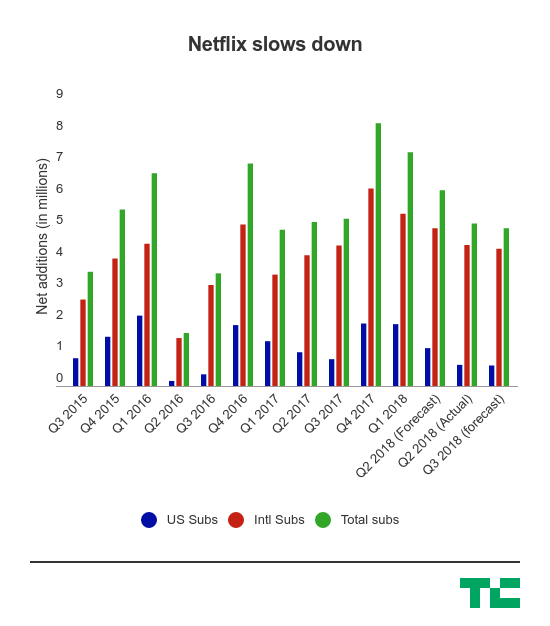
Is Netflix Falling Off a Cliff? TechCrunch and almost everyone else seems to thinks so, since they missed their own subscriber growth estimates and Wall Street “shaved some $10 Billion off its market cap” this week. While the subscriber graph is scary, I say don’t bet against Reed Hastings, because he keeps on winning. Wait for 250M subs.

Netflix spends more on marketing than many rivals do on content – AdWeek Reports Netflix is spending at least $2Billion on marketing its projects this year. Compare that to Apple and Facebook’s $1B spend, and it’s almost as much as Discovery spends for content now. Colossus. That isn’t headed towards a cliff.
But they don’t care about Net Neutrality anymore – as TechDirt reports, Netflix is big enough to pay to get the speed it wants and doesn’t care about the Net Neutrality fight anymore, even if they know it’s important. Thanks guys. My take: they probably support its death because that means less chance of competition (though who the f-ck is that gonna be?).
Chinese Film Slams Drug Prices…and is winning. The WSJ (possible paywall) has a great article on how a low-budget Chinese dark comedy film – Dying to Survive – is taking the box office in China by storm with a message against Novartis and drug prices. The film had brought in close to $374M USD (2.5 billion yuan) since just July 5th, and is already the 6th highest grossing movie in Chinese box-office history. It essentially slams Novartis for raising the price of a leukemia medication, making it harder for Chinese patients to get the medicine. It’s based on the true story of Lu Yong, who smuggled in cheap version from India to save lives. In a weird twist, the Chinese government is also fighting this issue, and is supportive of the film. Novartis is apparently none too happy. Sounds like a film that needs to be duplicated here.
WHAT I’m READING: BRANDED CONTENT
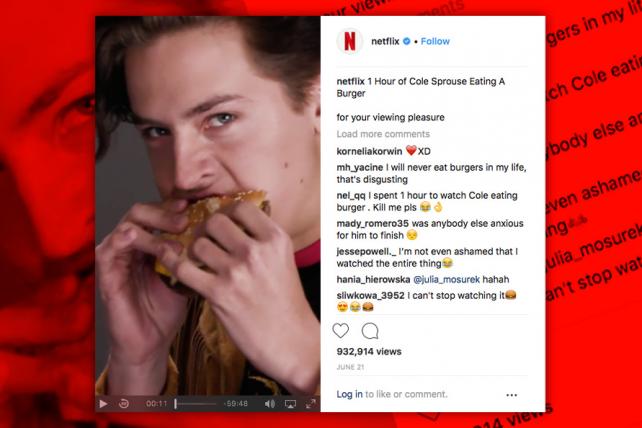
IGTV is getting weird, and long: AdAge and Gartner report that brands are making super long videos for Instagram TV (IGTV) the vertical, long-format push from Instagram. Some of it’s weird shit like Netflix filming a Riverdale star eating a cheeseburger in close-up – for an hour – and getting over a million views. You can’t make this shit up.
But NatGeo is going all-in on episodes to some success. From the article: “National Geographic put a whole episode of One Strange Rock on IGTV, runtime 45 minutes, called “One Strange Rock,” about the many wonders of planet earth. The same show is available on television show, but the network reedited it so it could be viewed in vertical form on Instagram. It had 360,000 views in the first 24 hours, and now tops 1.3 million views since being posted last month.”

My take: long, form’s time has come thanks to better mobile service and against all odds, vertical is winning audiences. Smart brands will move away from gimmicks soon, but they’ll work for awhile just like in the early days of YouTube. Expect more quality stuff like the NatGeo experiment to start dominating.
-
SubGenre News: Finland sets the Branded Film Standard and more
- Posted on 5th Jul
- Category: Newsletter

AR Milk Carton
Finland for the Win in Best Branded Content maybe ever, with The Unknown Soldier: I don’t know how I missed this, but AdWeek tipped me off this week (read their article, it’s great), and the film premiered back in October overseas. In what I think is a first, the filmmakers behind The Unknown Soldier, funded the majority of their film with multiple brands, who also supported the marketing of the film in a big way – helping the film to become the largest box office success in Finland (and it did well elsewhere). Sure, lots of brands have sponsored films, but this goes to another level.

Via AdWeek
The Unknown Soldier by Väinö Linna (1954) is Finland’s most popular book, and it had been made into a movie twice before, as well as plays and an Opera. But 2017 was the 100th Year of Independence in Finland, which was a great time to re-make the film and get the entire country celebrating the Centenary. The book, and the film, tell the story of Finland fighting to keep its independence from the Soviet Union during WWII (they may have to do this again now that TrumpPutin are meeting in Helsinki soon…). So as AdWeek quotes Eka Ruola, the CEO of Hasan & Partners, “We want to make sure this story does not go forgotten—because it’s one of the most important stories for the Finnish national identity. We needed our Saving Private Ryan.”
So director/producer Aku Louhimies worked with ad agency Hasan & Partners to help produce the film and approach brands for support. Multiple big Finnish brands joined on, with about 26 corporate partners (by my count from their website), along with traditional media partners and Finnish broadcasters, distributors, film funds and investors. Brands included a food companies, a milk company, Land Rover, and many more. WikiPedia says rumors have it “that Rafale International, a defense aviation manufacturer whose Dassault Rafale fighter was one of the aircraft in consideration to replace the Finnish Air Force‘s fleet of F/A-18 Hornets, was the film’s main partner.”
Because it was a historical film, none were able to do product placement, but Louhimies and the team built a platform where each brand could activate around the film leading up to its release. So Land Rover didn’t have its vehicles in the film, but Louhimies made short form content showing the cast and crew using their vehicles in the production. The National Lottery, Veikkaus, sent emails to its best customers to help cast the roles of 3000 extras – and ended up with 14,000 video submissions.

via AdWeek
Each brand got very creative with how it supported the film. According to AdWeek again: “Other activations, all supported on social media, included national TV campaigns from different companies including food brand Jalostaja, and beverage brand Meira. A special edition of the Finnish magazine Tuntematon, by media brand Alma Media, was released in August 2017 and songs were recorded, including one from a top band that reached No. 1 in the country.” Local milk producer Valio also produced an AR piece that could be viewed on millions of milk cartons distributed throughout Finland (see the video from Vimeo below, and sample products/sponsors below the text).
ARILYN x THE UNKNOWN SOLDIER MOVIE x VALIO from ARILYN on Vimeo.

Product Sample 1
All of this worked so seamlessly in support of the film because they started working with brands 18 months in advance. In an interview with CNBC, the producers say that the combined impact of this marketing gave them 10 times more visibility compared to its own marketing budget. And that led to success – in fact, it’s one of the most successful films in Finland. Their goal was 700,000 viewers, but sold over 1 Million tickets – in a country of just 5.4 Million people. They had over 20 Million social views and a box office of over $14 Million (as AdWeek noted, Titanic is the second highest grossing film there with $8 Million in box).

Product Sample 2
That’s quite a great success story, and one that I hope could be copied in the US. For example, we need a massive effort to combat a lot of what Trump is doing – on immigration, public lands, civility, the Court, okay- the list is unending. But instead of disparate efforts, it would be great to see a similar collaboration here.

Product Sample 3
Imagine if NatGeo (the magazine and the broadcaster) teamed up with a major distributor like A24 and worked with Patagonia, REI, Keen, The North Face, the 200 folks who have signed up to support public lands, major consumer brands like Adidas, major foundations like Ford and MacArthur, nonprofits like the Nature Conservancy, and investors like Impact Partners, and they worked with Sundance to enlist a great filmmaker, and Omnicom to devise a marketing campaign, and all work together to make and release a gigantic film about public lands. That would have actual impact, and we need it – for this and many issues.

Sponsors

Sponsors

Sponsors
WHAT IM READING: FILM
Trump Bites. Bill Plympton has made some awesome little videos for the NYT Op-Docs, called Trump Bites, as in sound bites, and he has a great Kickstarter going to raise money to make more with 110th St. Films.

Trump Inspires Nicolas Winding Refn : Nicolas Windig Refn has been shooting in the US, and he thinks Trump has made America crazy and we need art to save us. As he writes in the Guardian about the launch of his new website ByWFN.com:
“The future must be different. I want it to be an uncontrolled place of beautiful chaos, where everyone can create their own universe and is free to speak their own mind, without being overseen by big business. A place of free speech and free access. Over recent years, I’ve bought and had restored scores of old movies as a hobby. I wondered what to do with them. Then I realised I should share them for free, so I set up a website where they could be streamed. There’s no catch; you’re not being sold anything. Take it or leave it.”
He continues: “Donald Drumpf was elected on the promise he’d make America great again. Older voters rushed at the chance to return to a comforting fairytale. But they are not the same people who will inherit the US and have to heal its divisions. And the past was rarely this scary.” Looks like an upcoming trove of trash and inspiration both.
More Crowd-Funding I Like: Two campaigns to fund this week:
Pete’s Candy Store: This is their last week, and it’s a great time to make a film about an Iranian immigrant to the US who has created a haven of diverse culture- and ice cream – in the East Village.
The Motorcycle Man: He’s a bad-ass. Support their last dozen hours.
-
Warby Loves Mister Rogers and more news for June 28
- Posted on 28th Jun
- Category: Newsletter
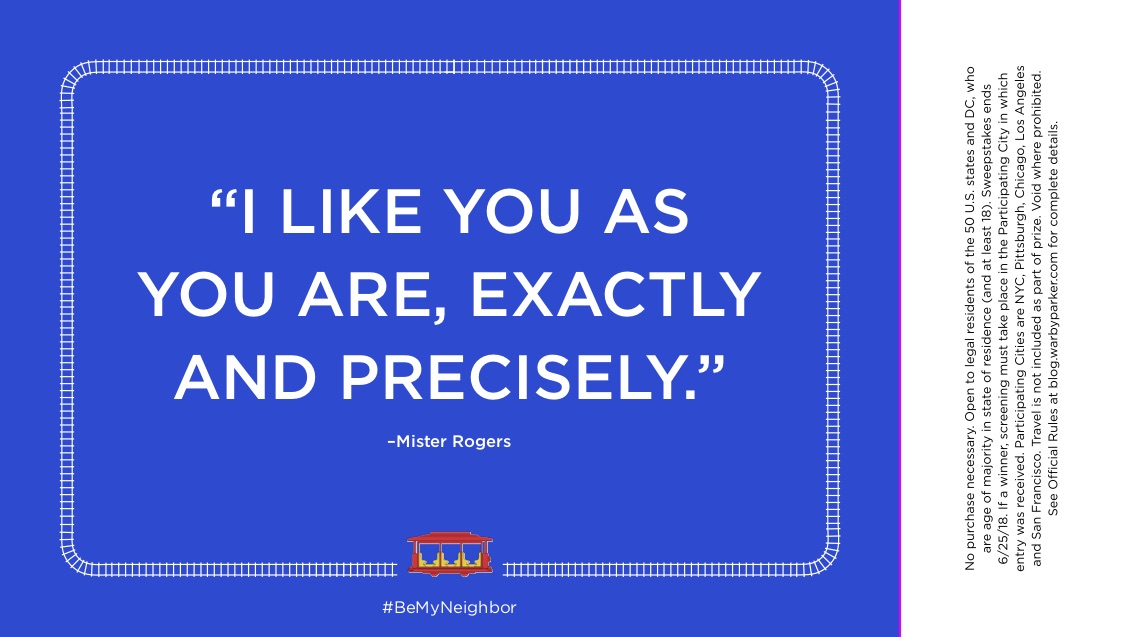
Warby’s Postcard courtesy Derris
Warby loves Mister Rogers. I’m four-eyed, and this past week, I had to get new glasses, which I picked up on Sunday from Warby Parker. Much to my surprise, the entire Rockefeller Center branch of the store was filled with marketing for Won’t You Be My Neighbor, the new Morgan Neville documentary on Mister Rogers. Focus Features made a brilliant brand-marketing campaign with the company, and it turns out it was bigger than just that store.

Warby’s Front Door, w me
But the store activation was great, and is a perfect example for what filmmakers should think about asking for from brands beyond cash. First, the front windows of the store had marketing for the film, which essentially is like having a billboard for your film right smack dab in the middle of one of the most trafficked parts of Manhattan – Sixth Ave at 50th street, right next to Rockefeller Center, the Jimmy Fallon entrance and Radio City Music Hall.
Second, throughout the store, they had placed postcard stations – you could fill out a postcard with a message to any one of your neighbors or friends and mail it to them from the store. Each postcard was pre-stamped with a Mister Rogers postage stamp, and marketing for the movie. And it was tied to a contest – give your email and be entered for a chance to win a private screening for you and your friends, in your neighborhood. Bingo – marketing message prominently placed throughout the store, and you give your email, so now they’ve built a fan mailing list for the film and presumably future Focus Feature films.

Postcard & Pen
And even better – they provided pens to fill out the postcards, which were also branded with the movie’s name, and there were plenty of them available, encouraging people to take them and advertise the film elsewhere. And to finish it off – a bowl full of Mister Rogers “EncourageMINTS” to take to freshen your breath (and get rid of that marketing taste, I presume…just kidding).
I emailed the marketing team at Warby, and their PR/Marketing agency responded with some more info about the campaign – which was super nice of them. They said they “launched the #BeMyNeighbor campaign, paying homage to Mr. Rogers’ life’s work and legacy of benevolence and inclusivity.” And they explained that in addition to the postcards, people could enter the contest online with the #BeMyNeighbor hashtag campaign. They held events in multiple cities for about a week, and if you search online you can find lots of local press – earned media – from the campaign. The campaign also included a blog post on the Warby website, and I would imaging more marketing that I didn’t receive.

The Mints
I did think of one lost opportunity – when Warby emailed me my receipt and again to let me know to come pick up my glasses, they should have marketed the campaign there too. I’ve done that with many clients and seen great success from including such campaigns in email receipts.
But regardless, it’s a great tie-in campaign, and gives some great marketing ideas that any indie filmmaker could copy/replicate – you don’t have to be Focus Features to approach a brand with a great idea.
WHAT I’M READING: FILM
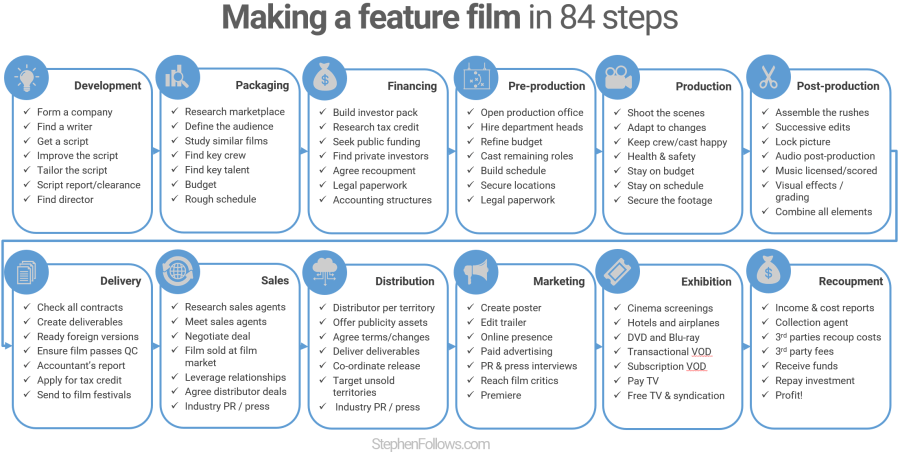
Stephen Follows has a great article on advice for filmmakers trying to break into the industry. I recommend the full post, but especially like this graphic he made of the 84 steps to making a narrative feature film.

Peter Hamilton pens a depressing “anti-case-study” on the problems with investigative docs, by way of the film The Cleaners. It shows how a good film of investigative journalism can get broadcasters on board, premiere at Sundance and then 50 other film fests, and still wind up $400K in debt. Read it and weep. There’s much to learn here, but one big takeaway: don’t make your film without the full budget in place and hope for a big sale to Netflix at Sundance to close your budget gap. Those days are o-v-e-r.
BitTorrent sold for $140Million to a Blockchain Company named Tron. Yes, you read all of that right. BitTorrent has been part of many schemes for revolutionizing content distribution, and most of them failed, beyond that spectacular piracy part. But as we move towards Blockchain as a potential basis for distributing content and keeping tabs on who needs to be paid, etc. this is a brilliant way for Tron to speed up it’s decentralized hub model. Very smart.
MoviePass owner Helios and Matheson in more bad news. Business Insider reports that one of their board members and shareholders has been accused of defrauding creditors in India, has quite a controversial past, and gets paid $19K (!) a month to consult for them. This story just keeps getting better.
What does Will Packer look for in a pitch? Diversity. As he tells Vulture, in an article with interviews with multiple gatekeepers, “I think about the potential diversity of a cast while I’m reading: “Quite a bit. The reason there’s been such a dearth of diversity in Hollywood is because a narrow group of writers have depicted their versions of reality. If I’m telling stories that truly reflect the world, I shouldn’t have to try to be diverse. Also, I’m not white; I didn’t come up in the Hollywood system. This helps me have a very different view of content creation. And I live in Atlanta — not Los Angeles — so I’m naturally around more so-called ‘real’ people, and that helps.” Smartest man in Hollywood, okay he lives in Atlanta, so listen to him. I’m biased though, as we both played football at the same high school in St. Pete FL (and boy has he done better!).
WHAT I’M READING: BRANDED CONTENT
 Marriott is moving Alexa into hotels. Yes, you’ll be able to use it to dim the lights, order room service and change the channel on your porn-machine, I mean hotel television. But I wouldn’t doubt we see them do some cool story-telling with it in the future – get a bedtime story, or a Marriott-themed tale told to you via Voice as you wake up. Marriott is leading the way in branded content, so this is a logical next step.
 -
TAG as Branded Content & Other News
- Posted on 21st Jun
- Category: Newsletter
 TAG as Branded Content
I went to see TAG this weekend, courtesy of my MoviePass membership, and while I think the movie is better/funnier than the critical reviews, what interests me most about it is the relationship the film has with the Wall Street Journal, and how it’s in some senses a big piece of branded content.
As most people know, the film is based on a true story, as reported in the A-Hed section of the WSJ in 2013. The original writer recently wrote up his experience writing the article and how it became a film – and why it’s called an A-Hed – and its worth reading. He is also not a woman who could be played by Annabelle Wallis, either, but that’s an understandable change (they also made one of the characters black, so yay for diversity and gender changes to sell films).
Anyway, while I can’t find any articles online explaining the exact deal between the producers/studio and the WSJ, I am 100% convinced the film has a marketing agreement in place and that we should think about it as a big piece of branded content – even if the WSJ didn’t pay for it.
 The WSJ is mentioned umpteen million times in the movie, including in many awkward ways that had to be stipulated by a contract. And at the end of the film, they show the original article – but they change it from being an A-hed piece to a front page, top-of-the-fold main headline story. Which it wasn’t. A-Hed pieces are on the front page, but they’re always tiny and on the bottom, below the fold. So this was faked too.
The WSJ also ran their story about the making of the film very close to the release of the film, which could just make sense from a timing perspective as the film is being released, except if you know anything about the timing of stories, you have to suspect this was also part of the deal. Joe Morgenstern was at least transparent about this relationship and being biased in his review, but the rest of the business deal is not too clear/transparent.
I’m not saying anyone is doing anything wrong here at all – it’s a true story adaptation, and mentioning the WSJ is fair game. But I’m willing to bet that the number of mentions, and having some story come out from the author were part of the contract.
As newspapers seek more of these deals, we can expect more of these stories, and it seems to me we should have just a little more transparency about the relationship between the parties and how things get reported, since the main stakeholder here is ostensibly an objective news outlet above doing things for marketing reasons alone.
Regardless, it was a great tie-in for the Journal, even if it was awkward at times.
STUFF I’M READING: FILM
Diversity News: Sundance and Toronto will allocate 20% of their press passes to Underrepresented Journalists, says Brie Larson in Deadline; and Stephen Follows reports that only 36% of film buyers in the major film markets of Cannes, Berlin and the AFM were women, and only 32% were “high status” professionals (meaning CEO, managing director, etc.). His article has the full break-down by profession, country and over time, and it’s not been getting much better.
Blockchain and Media Explained. Blockchain is the hot trend for the future of film and music, but most of the business proposals I’ve seen are complete crap. Why? Because they don’t solve a real problem any better than you can do without it. Benji Rogers of DotBlockChain Music spoke recently about this problem and how he sees the future of Blockchain working in music, and it’s spot on – and the best explanation I’ve seen yet of how it can work best for film. The video is about 20 minutes, but he shows the problems with most of the proposed solutions, and how the proper use of Blockchain can create a better system to distribute content and get people credited and paid for their work. Check it out. (h/t Redef.)
Chinese Theater Moguls don’t see online/mobile Video as a Threat – that’s the word from the South China Morning Post (by way of China Film Insider to me). While the situation in China is very different than the West, Chinese theater owners (refreshingly) see online watching of films as additive, and building the audience who might also want to go see films in groups. That’s surely the case here, you just have to convince people (still).
AMC launched a rival to MoviePass. It’s twice as expensive, but you can go to any format (including IMAX), book seats in advance (a big plus) and see up to three movies a week, including the same film again and again if you want. It’s mildly enticing, but only if/when MoviePass fails.
 Kickstarter for Oliver Sacks film: I rarely plug Kickstarter campaigns, but Dempsey Rice is one of my favorite doc filmmakers, and she’s making an animated doc film about Oliver Sacks: The Animated Mind of Oliver Sacks, and she’s raising funds now. I’ve consulted with Dempsey a little bit on this project and know it’s gonna be awesome, and not your standard bio-pic, but more meandering and intimate, like Oliver’s books and talks. And she’s got great rewards, like an Oliver Sacks animated swim cap, so you can’t go wrong supporting this one.
BOOK REC
Best advice for creatives: Recently, a filmmaker I trust recommended that I read Perennial Seller by Ryan Holiday. I don’t usually read marketing-type books, but this was a trusted, word-of-mouth recommendation and so I picked it up from the library…and couldn’t put it down. Holiday’s book is about how to create timeless creative work that lasts, and then how to position it and market it to reach a broad audience, and build that audience over time, all while building your fan base for your career.
A lot of what he says overlaps with what I teach filmmakers in my lectures – the importance of word-of-mouth marketing and building and owning your fan base. But it starts with how to make great content- whether that’s film, a book or anything else really, and it’s very much about creativity not just marketing, and where they overlap.

I dog-eared many a page, and took lots of notes, and highly recommend it for anyone who is trying to make great, lasting creative work and get it seen by a broad audience. It’s relevant for filmmakers, authors and other artists, and even for brand-storytellers and marketers. You can read it in less than two days, and I guarantee you’ll get something from it. I make no referral fees here, so I am honestly just pushing this because it is great. Here’s his site, or buy it online (but I recommend your public library, as those figure heavily into one of the story-lines of the book).
STUFF I’M READING: BRANDED CONTENT
Grindr makes films. That’s right, Grindr, the gay dating app, is making branded content, and it’s pretty good. Digiday has an article on it, and the launch of their content section called Into, and BrandStorytelling had a great session with them at their conference at Sundance this year, which is captured on their Youtube channel. I attended that panel this year, and think everyone wondered how the heck a dating app could make good content, but they’ve come up with some great editorial around lifestyle, travel, etc.
Branded Content that Isn’t: Unbanned: the Story of AJ1, the film about Nike’s Air Jordan’s and the NBA, wasn’t sponsored by Nike, but had a lot of cooperation from them, and AdWeek thinks that’s one possible future for branded entertainment.
The future of ads? Fox just launched more of their new ad formats at Cannes Lions, an as Variety reports, they’re focusing on telling better stories that theoretically are seen as less of a disruption and more as content you might want to watch. Soon, Fox, NatGeo and others will launch Unbreakables: inspiring stories about people overcoming adversity, sponsored by brands. TBWA will produce the ads, and EP the stories, and has come up with over 300 story ideas already, according to the article. Stories might be told in six seconds, or across multiple ads, and even into the social media feeds of each property.
My two cents: Say what you will about Fox generally, but their ad team is seriously thinking about how to make advertising better, and telling better stories is one step in the right direction. On the other hand, I expect we’ll see a lot of green-washing/pink-washing, etc. as brands try to make themselves look better. The whole “overcoming adversity” trope is also getting a bit tired in the brand space, but people seem to like those stories a lot. So this is a step in the right direction – better storytelling with the potential to reach a lot of eyeballs, and maybe, if done right, the owners of those eyeballs won’t flick the channel and actually might stick around to see the story.
STUFF I’M READING: NET
Why AT&T really bought Time Warner, and what it means for consumers and net neutrality: Net Neutrality may be dead, but Ben Thompson over at Statchery has a great break-down of what government and the FCC should do to really protect net neutrality, all informed by the real reasons AT&T bought Time Warner: which was to increase the revenue potential of AT&T especially on OTT and mobile, not to increase the revenue potential of Time Warner (which is what the government’s suit got wrong). My two cents: Bingo, he nails it. As people shift away from cable and towards mobile, this content makes AT&T more attractive and keeps them competitive against Verizon and T-Mobile. The big problem for consumers here, potentially, also looks like a win – AT&T can start offering it’s own content for free (or not counting against data caps), which is called zero-rating. While this at first seems good, it also lets them lock in consumers to their brands, and makes it less competitive for others, meaning ultimately, less choice. It’s a somewhat complex issue, but read the article, because Ben’s proposed solutions are pretty simple and smart.
-
We need Better Metrics; Net Neutrality is Dead; and other news
- Posted on 13th Jun
- Category: Newsletter
We Need Better Metrics
Over the past few months, I’ve become hyper-aware of the need for new metrics of success in the film world. Mainly for documentary film and branded content, because I work a lot in those two spaces, but also because those who work there so clearly need a better way to speak about their success and/or their return on investment (ROI) than just audience numbers, views or sales.

As I reported a few weeks ago, when BrandStorytelling interviewed a bunch of C-Suite brand folks, one of their major concerns was the need for a better way to measure ROI. And when I wrote up the Sundance case study of Unrest, I noted the same thing – that while it wasn’t the purview of the report, it would have made a better case for its impact if it had focused more on metrics beyond audience and dollars (not) made.
Not to pick on Unrest, because no documentary that I know of does a good job of reporting impact, and that wasn’t the goal of this study, but as the report states, the filmmaker’s goals were not to make a lot of money, but to have a fair bit of impact – to raise awareness about ME and chronic fatigue, among many other things. But as I mentioned in my last post, they tout their 300 press write-ups, but don’t say anything about how many people those might have reached. Well, those are earned media. Normally, someone would have to pay someone to get that press written about them, and it has a value. And while you can’t get the NYT to tell you how many people read the review of your film, you can look up its average readership in print and online. If you want to get fancy, you can even make estimates of how many people read it. You can also look at how many people shared the article, or commented on it.
In fact, if you think about it for a minute, there’s a lot of stuff you can measure to show that your impact went way beyond how many people saw the film, or that 300 outlets reviewed it. Their impact producer reached out to lots of nonprofits and grassroots groups to help spread the word on social media and through email newsletters. Well, you can ask how many subscribers they have, how many followers they have, and how many opens/clicks and retweets they got. You can ask festivals to report back how many people came to your screenings. You can keep track of your own social media postings and how they spread – your audience is not just your Facebook follower count, it’s also your number of posts and how many times they were interacted with, and how many people saw your ads. And as Kenyatta Cheese says, your audience has an audience – and you can track a lot of that as well.
There’s a lot more you can do, too. When we work with clients, we will often track sentiment on Google analytics, and we can show how search terms change over time. So you may show how searches for ME and chronic fatigue spiked during the Unrest campaign, for example. Heck, I’d argue that they should have even publicized their piracy numbers, which are alluded to in the report, and broken down how many people pirated it, and where, to show how they had such an impact that people bothered to pirate the film.
There are tools for this, and companies you can hire to run all kinds of fancy metrics for you, but you can do a lot of it for free yourself. But one of the big problems is coming up with some consistency across the field. There’s a lot of work to be done here to codify best practices, build metric-taking tools that are accurate and dependable and replicable, and that go much further than the simplistic examples I am using here.
In fact, awhile back, there were several groups pushing for more tools for measuring impact, and there was a lot of fear and backlash in the field. A few tools were made, and Britdoc (now DocSociety) even put together a decent Toolkit focused on this back in 2014, which links to many of these resources. Unfortunately, a lot of this work seems to have stalled, or was too complex for many people to understand, so it didn’t get adopted widely. And it’s clear we need more work here as these tools aren’t being used very regularly and/or aren’t being disseminated widely enough.
Or perhaps the field just didn’t really care about impact and moved on. That’s my cynical thought, because if they did care, there would be a lot more action here. It’s easy to look back at the old case studies and arguments and see a field that really didn’t want to be bothered with measuring their actual impact, and just wanted to make a film.
I get that – filmmakers want to make films, and I know that we make films for many artistic reasons as well. But in many ways, the film is also just an excuse for all of the things you can do around the film that earn you press and attention, and that also have impact. When you are making a film for entertainment, or for profit or prestige (or just for art), then all the stuff you do around the film is just marketing to get butts in seats and get people to see the film. But for documentary, all of this stuff gets people to hear about the same issues, and can have just as much impact as the film itself. And a lot of these things are measurable, and if measured more often and accurately, these things can help us all make the case for the value of making these films.
That’s why I think we need to refocus on impact and we need more of these tools – and/or better ones – if we’re going to justify the budgets needed to keep making quality film/video when the distribution landscape can be as tough as that case study showed it to be for so many films. Because the impact of many of these films goes well beyond the numbers we’re currently sharing.
 Perhaps the best thing to do would be to keep it simple and just follow the earned media example of brands. When Netscout sponsored Lo and Behold, by Werner Herzog, they didn’t tout how many people saw the film, or how much it made at the box office. Instead, they spoke about it in trade press and at SXSW as having increased their earned media exposure ten times over to 30 Billion organic media impressions, and how they would have had to run an ad campaign that cost $20-Million to do that, but instead made a movie for less than $2 Million and ran no ads. I’m sure they have lots of other data that isn’t public, but that’s the kind of data/metrics we need to move towards when we speak about the impact of our documentary work, and it’s where brands need to focus their sites when talking about their ROI to their colleagues.
If brands and foundations and filmmakers can all use better numbers, it seems to me there’s a collaboration to be had here.
WHAT I’M READING: FILM
Ava Duvernay on the cover of Adweek, as the star of their Creative 100 issue. Asked about working across formats – something I think every director should consider doing, she says: “As little as even 10 years ago, you were either a film director or a television director, you were either a commercial director or a documentary director or a narrative director. It’s all storytelling. At the end of the day, we’re trying to tell the story and make it as compelling, vibrant and heart-expanding as possible.” Amen.
Movie Critics are mostly white and men, according to a report from USC Annenberg that was widely reported, but is linked here in Variety. My two cents: Widely reported, but it can’t be talked about enough, me thinks. It’s a problem when fest programmers, critics (and reporters) and nearly every other facet of the industry is dominated by white folks, and mainly men. Silver lining: the best ones (Dargis, Wilmore, etc.) who get the most traction seem to still be women.
IFC Center’s Expansion Plans: IFC Center has been planning an expansion for awhile, and Curbed reports today that the revised plans include not just more theater space, but also some apartments – which would be a great place to live for any movie lover, and 6 new screens. Sounds great to me.

What’s Up with Windows these Days? Anthony Kaufman takes a look for Filmmaker Magazine at the current state of windowing a film’s release between theatrical and digital. He reports on some good examples/case-studies of the pros and cons of various windowing strategies, and what seems to be working best for various types of films. I’m interviewed in the article, and we discussed my pet-theory that Netflix is not just cherry-picking the best content, but by using more exclusive contracts for those films, is forcing consumer behavior into SVOD over transactional. This is similar to what we’ve seen in music – and I’m not saying it’s a bad thing for them to do this as a business model – but it does mean that as more audiences look for their film choices on SVOD, your indie film will have less opportunity to break through and be discovered for sale/rent. Interesting times.
WHAT I’M READING: BRANDED CONTENT

NYMagazine
Vice Media is a head-fake. My two cents: Thank god that Reeves Wiedeman at New York Magazine finally wrote this excellent take-down of Vice – A Company Built on Bluff – so I didn’t have to, because I’m not a real journalist. I’ve been telling everyone forever that Shane Smith’s greatest ability has been selling his shit to Rupert Murdoch, Martin Sorrell, Tom Freston and other old media men who wanted to be hip again, and that there was no there, there at Vice. Well, now NYMag, which does finally have a there, there again, has the story. It’s a must read, as it shows just how f-d the entire media business is if they could fall for this story. As someone said in my LinkedIn feed (I can’t believe I just said that phrase…), Vice is the Theranos of the media business. This story could have gone in any one of my subject columns, but I put it under branded content, because without them selling their bullshit to Intel, for the Creator’s series, they wouldn’t probably have made it this far.
WHAT I’M READING: INTERNET

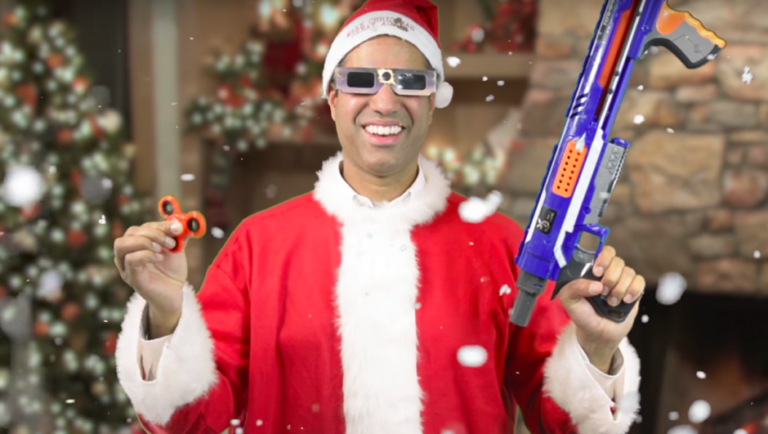
Net Neutrality is Dead. And the Verge has the write-up on what that means, and what’s going on as we move forward. My two cents: It’s been dying for quite awhile – I went back and looked, and I first wrote about the possible death of net neutrality in April and May of 2006 (!), and the issues were much the same then – the FCC, Congress not acting, big corporations taking more control. But while net neutrality has been in danger of dying its slow death for awhile, it’s more serious now, and Ajit Pai somehow wins biggest d-bag of the Trump administration, and that’s quite an accomplishment, for pushing this through. Like the death of our climate via Pruitt and public lands via Zinke (and schools via DeVos, etc. etc.) this will be a slow process, but the short answer is only Congress can do much now, and we can’t hope for much there. I might feel better about this if the activist groups fighting on our behalf weren’t just hitting us up for funds every day like an NPR fundraising drive gone mad, or if anyone seemed to be getting themselves in an uproar about it, but I think we’re f-d.
WHAT I’M READING: START-UPS & ENTREPRENEURS
Foresight launches new cap table models: Launching a new start-up or any new business? Foresight is a brilliant little company that has built templates to help you start your business – build financial projections, business models, cap tables, exit waterfall tools, and a bunch of free tools, including a paid media marketing tool that helps you determine where your ad spend is working and where it should be going (this can work for film marketing as well). Taylor Davidson, who owns Foresight, is also an artist/photographer, and he launched a new cap table tool this week. I’ve used his tools and recommend them to any entrepreneur, and marketer.
-
En El Septimo Dia, U-2, Mind Control and More
- Posted on 8th Jun
- Category: Newsletter

No real op-ed musings this week – I’m just back from vacation and too relaxed to write too much, but lots of news to link to below. But I will use this space to plug a film everyone should see.
En el Séptimo Día, by Jim McKay, opens in NYC this week and next week in LA. I don’t usually plug film openings, but I’ve long been a fan of every film Jim makes, and will think less of you as a person if you don’t go see this film.
Go see it: The info:
Opens Friday, June 8 at IFC CENTER (Manhattan): 12:45pm, 2:50pm, 5:00pm, 7:15pm, 9:25pm
BAM Rose Cinemas (Brooklyn): 2:00pm, 4:30pm, 7:00pm, 9:30pm
Q&A w/ director and cast at IFC 7:15pm show FRI and SAT.
Q&A w/ director and cast at BAM 4:30pm show SUN and 7pm show WED.
Opening in Los Angeles on June 15 at Laemmle Music HallWhat I’m Reading: Film
Atom Tickets has launched a free ticket rewards program, reports Variety, to compete with Fandango. My two cents – anything that rewards movie-goers for sharing films with other friends and fans is a good idea and is much needed in the space. We need more ideas like this to compete alongside MoviePass.
New festival – Filmmaker and long-time, recently-ousted MountainFilm Telluride Film Fest head, David Holbrooke has partnered with Nancy Shafer, who founded SXSW and also ran the Tribeca Film Festival, to launch the Original Thinkers Festival in Telluride Colorado. The Telluride Daily Planet has more info on the plans. My two cents – two stellar people with great ideas, so this is surely going to be good. I like that it’s not just a film fest, but a festival of ideas, and they only sell as many tickets/passes as there are seats, so everyone gets to attend every event, and everyone will be in the loop on the conversations around the films and speakers – no FOMO. Nice idea.
Mind Control a Film: That’s right, MIT Technology Review reports that Richard Ramchurn’s latest film, The Moment, lets viewers control what the edits, and what they see, via means of their brain’s sine waves and attention. You wear an EEG headset, and in theory everyone who watches the film sees a different cut. It’s playing on a tour where a group of people can watch it in a special trailer, and also at the Sheffield Doc Fest (even though it’s not a doc, it’s in their tech section). My two cents: While I’m a little skeptical of EEG mind games – people use this in advertising to claim that certain ads work best, for example – and the trailer is atrocious, it’s a super cool experiment, and I can’t wait to hear reports about how it works for the audience.
Voice Control your TV: Your remote is dead. That’s right, Amazon’s new Fire TV Cube just killed it. My two cents: Like I said before, voice is the future, and it’s coming fast. Now you can use Alexa to order up The American’s via Amazon Prime, and while you’re at it, check the weather, order pizza from Seamless and watch those on your screen (while Alexa narrates them), and tell it to brew your coffee and change your thermostat and lower the lights at the same time (if you’ve connected to the IoT).
UK Doc Funding Controversy spills into the open – There’s been a fair bit of controversy over the way the BFI has changed its documentary funding this year. There’s a reduction in total funds available, they awarded ownership of the process to Doc Society (formerly BritDoc,), and there is now a cap of £80,000 on grants – where the BFI used to give North of £200,000+ to many projects. Most of the griping about this has been over beers at festivals and in hushed tones, as no one wants to piss off their funders, but Screen Daily has a nice article about it that’s worth a read for anyone in the doc sphere. My two cents: I’m friends with the Doc Society leadership, so I am biased here as to the issue of who should get to manage the award. But I am a firm believer that the notion – prevalent among many grant funders – that you should spread the wealth and give more grants of a smaller amount, should be retired. It’s what’s helping spread a major problem of an under-funded but overstocked field. I’d also like to see BFI increase it’s total dollar support for the sector, and hope that everyone involved listens to the criticisms and improves the program going forward – this discussion should be more transparent.

U-2 Photo Michael Phillips, WSJ
U2 still uses Film: Not the band, but the spy-plane. Who knew? The WSJ has a great story and video by Michael Phillips about how the military still uses old-fashioned Kodak film – large gauge, 6 inch long, 2 mile long rolls of film – yes, miles- to film the Earth from 70,000 feet in the sky, 250 miles in any direction. That’s all mind-boggling, so read the article and watch the film. But they still use film because film’s resolution still beats anything you can do with digital. My two cents: While this is some serious pro-military propaganda (kudos Pentagon PR team), it’s pretty thrilling to watch the film. I don’t think anyone’s ever shown the inside of a U-2 spy-plane before, and seeing the Kodak film being analyzed is a cool geek-out experience as well.
What I’m Reading: VR
Storytellers, especially in Hollywood have it wrong – Maybe we shouldn’t try to tell stories in VR at all. That’s the message from Curtis Hickman of The Void. As he says, VR is interactive, and “a VR experience with a narrow story arc does nothing more than allow consumers to be passive observers to someone else’s agenda. “You can do that but you’re really missing out on the whole point,” he said (to The Drum) continuing: “Hickman and his colleagues advocate thinking of VR not as an extension of a TVC, but as a branded version of Dungeons & Dragons. “It’s a form of story where you have this dungeon master who is imparting a framework for a story and you have the players who are actively participating in the story,” he said. “Together, the group creates the story.” Amen.
-
News Fri the 13th Edition: HBO vs Netflix and more
- Posted on 5th Jun
- Category: Newsletter
Not much to add this week beyond the comments on the links below. But here’s a little round-up of depressing news for Friday, the 13th.
The FCC might cut children’s television because the rules are “outdated” (as we get more branded content, which is part of what the rules are meant to stop), and will stop taking public comments in a decent fashion because Ajit Pai can’t handle feedback. The Justice Department just won’t give up on AT&T/Time Warner, as if they have any chance of stopping this thing (although AT&T did raise prices right after the merger was approved, and is doing some evil shit). Women who make science videos get some sickening feedback from men on YouTube. There is one last Blockbuster Video standing, in Bend, Oregon. Who knew?
Crazy times, but hey – those Thai boys getting rescued was pretty cool. Onwards to the news below.

Image via Reuters
What I’m Reading: Film
Gaming is now bigger than film and TV: Reuters reports that gaming is now the world’s favorite form of entertainment.
WattPad is rewriting the rules for Hollywood: Vulture reports on how smart folks are using WattPad to discover authors and stories for film, and how most people in film are missing out on the trend and what their data can do to help with finding great stories and audiences. Best example: The Kissing Booth. Heard of it? Me neither, but it’s “touted by Netflix’s chief content officer Ted Sarandos, in an interview with Vulture, as “one of the most-watched movies in the country, and maybe the world.””
Fake Voice and Video is Coming. And it ain’t gonna be pretty says, Daniel Miessler. It’s being used now to insert actors (or your friend’s) faces into porn, but soon it will be used to make all kinds of fake news. It’s also interesting to think about how it will be used creatively in film/video and what that means for actors.
Nonprofits – and indie filmmakers – can win w/ smarter Facebook ads – so says Daniel Gallant of the Nuyorican Poets Café (and he’s a marketing consultant too) in the WSJ (there may be a pay wall). The key is getting even more targeted in your demographics. Sounds simple, but it’s the subtle differences between a Japanese cultural institution targeting fans of Japanese art, for example, “to focus on audiences whose interests included at least five manifestations of Japanese culture, such as woodblock prints, Ikebana or Kabuki.” My take: Read the article, as it’s a great, short primer on how to do FB ads right, and it’s also a great marketing push for his consulting – use the Facebook ad scandals to push how to market better with his firm – why didn’t I think of that?
Just how big does Netflix want to be? 250 – 400 Million subscribers, with new additions of interactive entertainment and gaming, but not live sports, according to Matthew Ball in ReDef. Me: I had lunch with a big media exec who thought this was an impossible goal, and I have to say, this person is wrong – this is the first article to nail just how big Netflix wants to be – as the article reminds us, their “only enemy is sleep.” That’s why the entire media business is losing it (sleep) too.
Just how Stupid is John Stankey, the new head of Warner Entertainment via AT&T?. Very, according to Scott Galloway. As Galloway describes so well, Stankey’s speech to HBO employees was not just tone deaf, but dumb, and shows he will possibly ruin the company. Best quote: “To move HBO to a Netflix strategy is to walk into the Musée d’Orsay and announce, “We need to scale this.”” I say Amen to that. As Netflix moves more towards quantity and shows, HBO needs to double down on quality. Not that I don’t love Netflix or believe what Matthew Ball says in the link above, but HBO needs to remain HBO. They don’t need advice from someone coming over from DirecTV, land of the famous hits…(HB)oops.
Graph via Galloway’s Newsletter:

WHAT I’M READING: BRANDED CONTENT
Should brands be thinking bigger about content? Sam Glynne of Freemantle (writing in The Drum) thinks so. He suggests brands should be funding and creating big, long-lasting franchise hits, like his company makes – The Voice, Price is Right and other factual entertainment that lasts a long time and reaches a lot of people. Me: Only for mass-appeal brands and definitely not for anyone wanting to be hip or cool, or have any street cred, but yes, they need to think bigger.
Shinola Shies a light on Immigration: Nice little campaign in support of immigrants, as they film 100 immigrants coming out of their Naturalization ceremony in NYC and speak about what it means to become an American. We need a few nice immigration stories these days.
-
The Next Marwencol? More MoviePass, Unrest report is out, and more.
- Posted on 24th May
- Category: Newsletter
 The next Marwencol: Many years ago, David Naugle took some photos of his neighbor in NY, Mark Hogancamp, which were then published in Esopus magazine. Esopus subscriber Jeff Malmberg turned this story into the great film Marwencol, which is now being made into a Hollywood movie with Steve Carell by Robert Zemeckis. Well, now Naugle has taken some photos of his neighbor in Decatur, GA, Randy S. Jones, who is a retired attorney and teacher, and who has been making abstract art in his home for three decades, showing them to no one. David went over, met him and documented the work, which is now in Esopus 25, is hanging in a Pop-Up gallery in NYC til June 2nd, and is featured in Collecteurs Magazine now. David made a great video about it too, which is better than whatever Zemeckis will make about Randy eight years from now, and if any fest programmers are reading this, you should program it now.
Randy Jone 0520 from R&D Studios on Vimeo.
WHAT I’M READING: FILM
More MoviePass Lessons: Another week, another article on MoviePass, this time from Business Insider on MoviePass Powerusers. When all is said and done and MoviePass fails, it will likely be because of the drunken sailors leading the ship not the actual business model. But they’ve uncovered a few interesting tid-bits about the movie business that Hollywood and theater owners would do well to consider:
- “MoviePass is making [sic] indifferent cinema-goers into fanatics”
Just one example from the article: “Kristie Pyle had not been to the cinema in three years before joined MoviePass at the end of March 2018. The 43-year-old North Carolina finance professional said it “had been so long that I needed to figure out how to use the kiosk.” In the less than two months since then, she’s seen 30 movies.”
Everyone in the business likes to claim that movies aren’t too expensive (here’s the Hollywood Reporter showing that the 2017 average ticket price of $8.97 is cheaper than prices in 1970 when adjusted for inflation). But there’s a reason most Americans go to just 4-5 movies a year, and MoviePass seems to be showing us that price has something to do with it.
Perhaps it’s not about how the price compares to a ticket in 1970, but how it compares to other things you want to do today, in a world where Netflix costs you $8-14 a month depending on the plan. But I suspect that in NYC and other major cities, where the average cost is closer to $14.30, it’s just the cost. I am basing this just on the unscientific survey of the workers at my gym, all of whom are movie fanatics- not just Avengers, one quotes Big Lebowski daily – and who all complain about the cost keeping them away.
Audiences who know about it are in love with MoviePass, and that’s all because of price. Unsustainable? Maybe, but I’ve not heard one person speak about Cinemark’s MovieClub, so there has to be some middle-ground. Since the same article says that 80% of their users go to less than 4 movies a month anyway, it doesn’t take rocket-science to come up with a plan that could work for everyone.
- Anyway, BusinessInsider’s survey also showed a strong increase in people watching films multiple times. In fact, MoviePass had to institute a policy stopping people from doing this. Several customers in the article were going to see films 10, 15 or more times on MoviePass. This is another area where if Cinemas and distributors had data about their fans, they could reward these super-fans and encourage them to keep coming back, even without MoviePass existing, by sending them offers for cheap tickets, or giving them a free viewing for every 5, or concession rewards, etc. But right now, only MoviePass even has this data. Any future subscription plan or rewards card needs to think about incentivizing this crowd.
- They also found that people with disabilities are starting to use it a lot. One customer was using it as much as five times a week because he’s out of work due to a disability. Again – a target audience that’s underserved and that could be targeted via data.
With MoviePass’ stock down to 54 cents this week, it likely won’t be around much longer. My fear is that the powers that be will just breath a sigh of relief instead of actually learning anything and doing something smart.
MORE FILM READINGS

Sundance Creative Distribution’s Report on Unrest is finally out, and it’s a must read. It’s also a long-read, and I’ll save most of my thoughts on it for later, except to say that if you are making documentaries and/or thinking about film distribution in any way, shape or form, this study is pure gold. It covers everything from motivation to hard costs, and even gives you hints at the numbers it can’t share (thanks for nothin’, Netflix…).
Studying Impact – But their report leads me to one more thing – I’ll delve into this more later, but I still find it shocking that filmmakers who are distributing for impact aren’t measuring and reporting much more about impact – which is the one and only thing this report is missing (they report on impact screenings, but are missing a lot about their actual reach and impact). But this is the case with every other film, so I’m not placing blame on them.
Just one example – they list 300 great press outlets that covered the film. Well, in my world (brands), we’d count those as earned media, and they come with both audience metrics and demographic metrics that are measurable and could show how many people heard your message. And you’d have to buy ads to reach those people usually, so you just accomplished something amazing, for a relatively cheap price. Which is much more important than how few people watched the film on Google Video. That study may be for another report, so for now, read this one and learn how they got the film out there.
Facebook Video is “a fun adventure not a business” says the Weather Channel to DigiDay, as they stop publishing video to the platform. Over time, they noticed they were “being paid in all types of currencies — followers, shares, views — that did not feel like money” said Neil Katz of Weather Channel in the quote of the year, for sure. While this is a business story, I think it’s relevant for film and other “content” publishers as they try to figure out what to do as Facebook takes over the world. Translating fans into dollars ain’t as easy as it seems.
INTERNET/CULTURE
Amazon has funded an Alexa Storytelling App: It’s called Novel Effect, and it follows along as you tell a story – for now, to your kids, and adds sound effects. It’s kinda cool, and is a great example of just one more way voice is taking over our future. Watch the video at the link.
Congress is trying to extend Copyright again – and it’s a bad idea. Larry Lessig has all of the reasons this idea still sucks over at Wired. Considering he argued this case to the Supreme Court the last time Congress did this – and they essentially said, oh this can’t be bad because we can’t imagine Congress would ever do this again – he’s worth reading.
BRANDED CONTENT
Top 3 Opportunities for Branded Content: BrandStorytelling is back at it with another great one: a survey of C-Suite execs on what they see as the top 3 opportunities, and I’m not surprised that they align with what I’m hearing from my clients:
- Diversity and Advocacy – especially in regards to closing the gender gap behind the camera; reflecting more diversity and more LGBTQ perspectives;
- Making stuff that lasts – whether that’s pushing for better budgets, making better stuff with the budgets they have, or spending more to make feature films, it’s all about investing in making things better;
- Partnerships – between brands and agencies, creative and even between brands.
These are all needed, but my take is that they all tie together. Brands can have a much better impact and make better films if they work with diverse directors and cast/subjects, and if they work together to make and market the work- that will be content that lasts.
Memorial Day
I’ll be taking off next week for Memorial Day, so enjoy a little break from my missives.
Trackbacks/Pingbacks
Randy S. Jones at Esopus Space NYC | David Naugle Projects

- About
- Our Services
- Differentiation
- Clients
- Team
- Contact
Learn more about us, our films, the services we provide for brands, and what makes us different.
Get updates and read Brian's weekly newsletter about film and branded content.

- About
- Our Services
- Newsletter
- Clients
- Past Newsletters and Blog Posts
- Contact
- Privacy
- Terms
- Powered by Assemble
Learn more about us, our films, the services we provide for brands, and what makes us different.
Get updates and read Brian's weekly newsletter about film and branded content.